Why India’s Tiger Reserves Matter More Than You Think
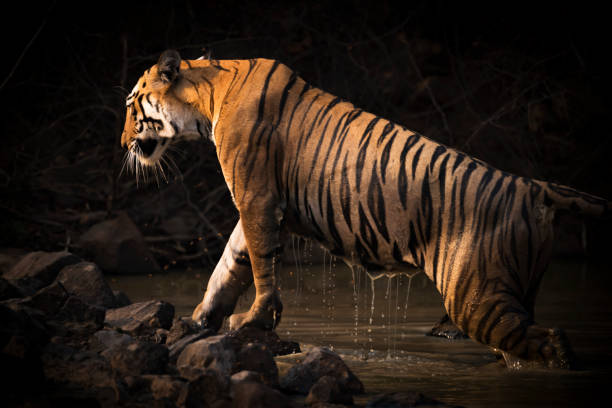
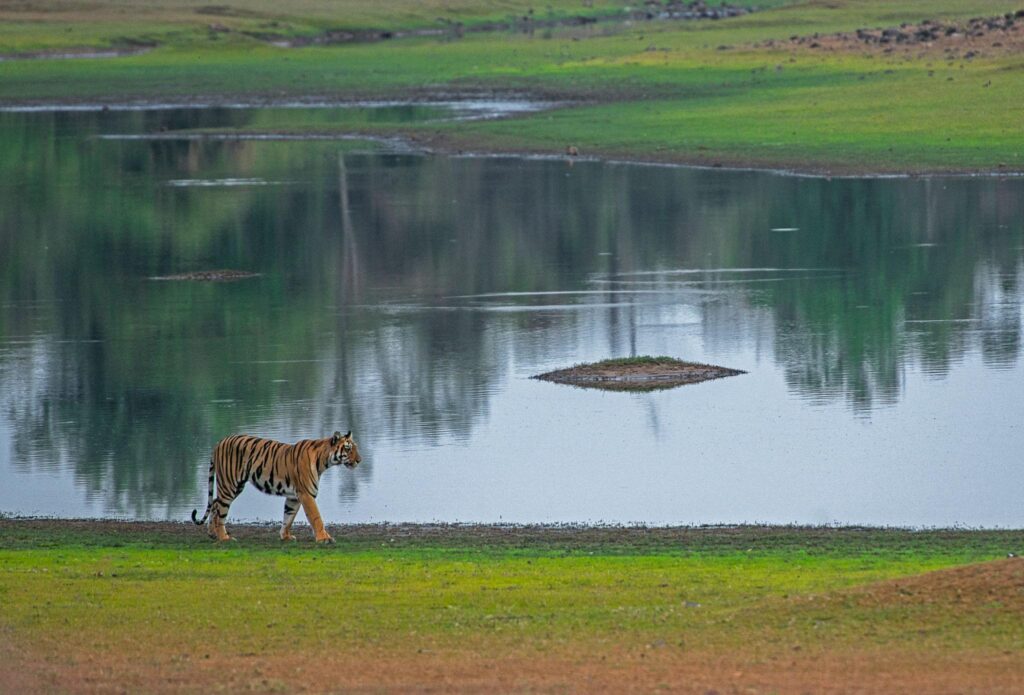
When most people hear the words “tiger reserve,” they imagine one thing—a tiger walking majestically through a dense forest.
While that image is inspiring, it tells only a small part of the story.
The real value of India’s tiger reserves goes far beyond protecting one iconic species. These protected landscapes safeguard rivers, forests, thousands of plant and animal species, and even the lives and livelihoods of millions of people.
This is a truth that many travellers discover only after spending time in the wilderness.
A tiger reserve is not simply a place to see wildlife. It is a living ecosystem where every tree, butterfly, bird, insect, predator, and stream plays an important role. Understanding this changes the way we experience a wildlife safari in India. Instead of chasing a single sighting, we begin to appreciate the remarkable balance that keeps these forests alive.
Let’s explore why India’s tiger reserves are among the country’s greatest natural treasures.

More Than a Home for Tigers
A common misconception is that tiger reserves exist only to protect tigers.
In reality, tigers are considered an umbrella species. This means that protecting the habitat required by a tiger automatically protects hundreds of other species sharing the same landscape.
When a tiger reserve is healthy, it supports:
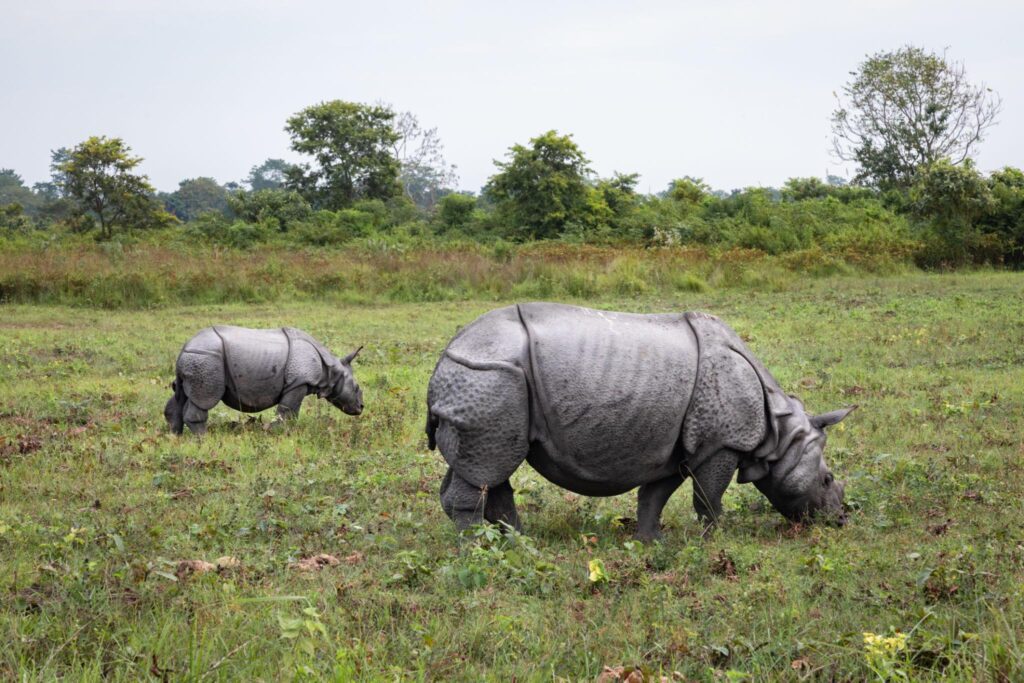
- Leopards, sloth bears, wild dogs, wolves and smaller carnivores.
- Elephants, gaur, deer, antelope and wild boar.
- Hundreds of bird species.
- Butterflies, bees and countless pollinating insects.
- Amphibians, reptiles and freshwater life.
- Native trees, medicinal plants and grasslands.
Protecting one apex predator ultimately protects an entire web of life.
That is why tiger conservation in India has become one of the world’s most successful wildlife conservation models.
Healthy Forests Mean Healthy Rivers
One of the greatest ecological services provided by India’s tiger reserves is water conservation.
Many of India’s major rivers originate or flow through protected forests. These forests act like giant natural sponges, absorbing rainfall during the monsoon and gradually releasing water throughout the year.
Without these forests:
- Rivers would dry faster.
- Groundwater levels would decline.
- Soil erosion would increase.
- Floods would become more severe during heavy rainfall.
Millions of people living in nearby towns and villages depend on water that originates from these protected landscapes, even if they have never visited a tiger reserve.
The forest silently works every day, storing and filtering water long before it reaches our homes.
Tigers Keep Nature in Balance
Every ecosystem requires balance.
Tigers sit at the top of the food chain. By naturally controlling populations of herbivores such as deer and wild boar, they prevent excessive grazing.
Without predators, herbivore numbers can grow rapidly, leading to:
- Overgrazed forests.
- Poor regeneration of young trees.
- Reduced habitat for birds and smaller animals.
- Declining plant diversity.
A healthy tiger population helps maintain this balance, allowing forests to regenerate naturally.
When predators thrive, the entire ecosystem becomes healthier.
Tiger Reserves Protect Incredible Biodiversity
Many visitors are surprised to discover that a single tiger reserve contains thousands of living species.
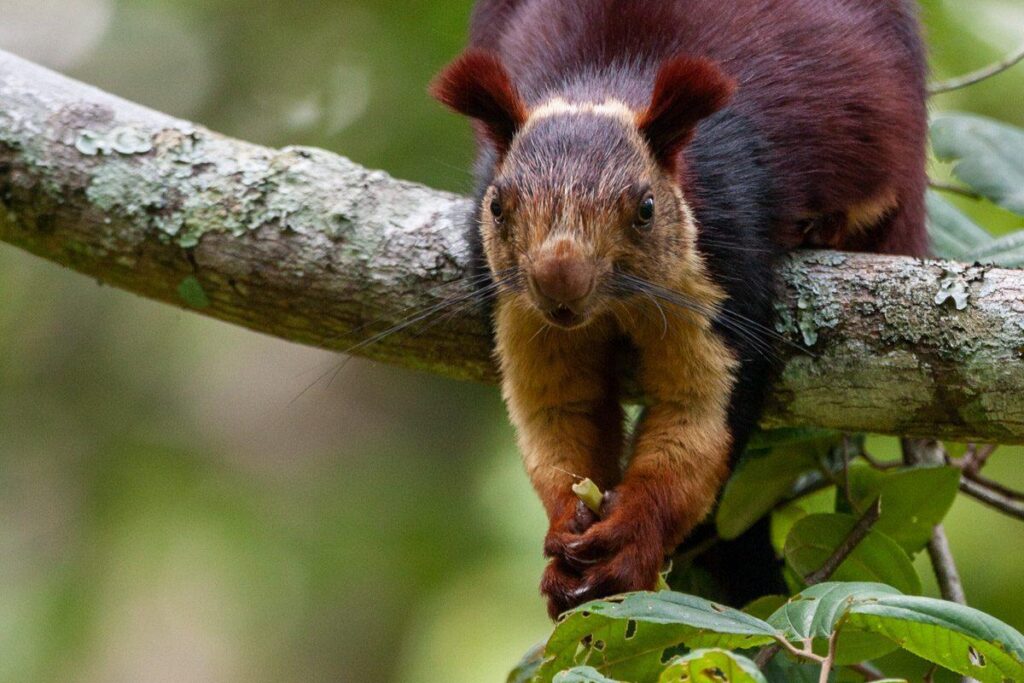
A morning safari may reveal hornbills flying overhead, butterflies feeding on wildflowers, langurs calling from treetops, spiders weaving intricate webs and countless insects quietly performing essential ecological roles.
Each organism contributes to the health of the forest.
Pollinators help plants reproduce.
Decomposers recycle nutrients.
Birds disperse seeds.
Predators regulate prey populations.
Every species, no matter how small, supports the larger ecosystem.
This is why biodiversity conservation remains one of the strongest reasons for protecting India’s tiger reserves.
Forests Help Fight Climate Change
Climate change is no longer a distant concern. Its effects are already visible through rising temperatures, unpredictable rainfall and increasing extreme weather events.
Tiger reserves help reduce these impacts.
Large forests absorb carbon dioxide from the atmosphere and store it in trees and soil, making them one of nature’s most effective climate solutions.
In addition, forests:
- Lower surrounding temperatures.
- Improve air quality.
- Maintain humidity.
- Support healthy rainfall cycles.
- Reduce the impact of heatwaves.
Protecting forests today is one of the simplest ways to protect future generations.
Tiger Reserves Support Local Communities
Many people believe conservation and communities cannot coexist.
The reality is quite different.
Responsible wildlife tourism creates employment for thousands of people living around tiger reserves.
These opportunities include:
- Safari guides and naturalists.
- Jeep drivers.
- Eco-lodge staff.
- Local handicraft artisans.
- Nature educators.
- Conservation researchers.
- Hospitality professionals.
When tourism is managed responsibly, local communities gain economic benefits while becoming active partners in protecting wildlife.
Conservation succeeds best when people benefit from healthy forests.
Wildlife Tourism Creates Conservation Ambassadors
A wildlife safari often changes people in unexpected ways.
Someone who visits a tiger reserve hoping to see one animal frequently returns home talking about butterflies, birds, giant trees, fresh pugmarks and unforgettable forest sounds.
This shift in perspective is powerful.
People protect what they understand.
Experiencing wildlife firsthand creates emotional connections that no documentary or textbook can fully replicate.
Every visitor who leaves with greater respect for nature becomes another voice supporting conservation.
Every Safari Helps Conservation
When visitors book safaris through responsible tourism operators, they contribute directly or indirectly to conservation efforts.
Safari fees often support:
- Habitat protection.
- Anti-poaching patrols.
- Wildlife monitoring.
- Forest management.
- Community development.
- Conservation awareness.
Every responsible traveller becomes part of the conservation journey.
Choosing ethical wildlife tourism is more than a holiday decision—it is an investment in India’s natural heritage.
The Biggest Myth About Tiger Reserves
Many travellers judge a safari by one question:
“Did you see a tiger?”
But this question misses the true purpose of these protected landscapes.
A tiger reserve is successful not because every visitor sees a tiger.
It is successful because rivers continue to flow, forests continue to regenerate, birds continue to nest, butterflies continue to pollinate flowers and countless species continue to survive together.
The tiger is simply the most visible symbol of a much larger ecological story.
When we begin to understand this, every safari becomes richer and far more meaningful.
Why Protecting Tiger Reserves Protects Our Future
India’s tiger reserves are not isolated islands of wildlife.
They provide clean air, clean water, biodiversity, climate stability and sustainable livelihoods.
They remind us that human well-being is deeply connected to the health of nature.
Protecting these landscapes today ensures that future generations can continue experiencing thriving forests, magnificent wildlife and functioning ecosystems.
The future of India’s wildlife depends not only on governments and conservationists but also on informed travellers who choose to explore responsibly.
The next time you visit a tiger reserve, remember that you are not just entering a forest.
You are stepping into one of the most important ecosystems protecting India’s natural future.
Experience India’s Wild Landscapes Responsibly
At Flying Hornbill, we believe every safari should be more than a wildlife sighting. It should be an opportunity to understand nature, appreciate conservation and create memories that inspire lifelong respect for the wild.
Whether you are planning your first safari or returning to your favourite national park, our team helps you experience India’s forests responsibly and meaningfully.
Book your safari: +91-9344813299
Email: [email protected]
Website: www.flyinghornbill.com
Free Wildlife Conservation Guide
Want to understand Indian forests like a naturalist instead of just a tourist?
Comment “FOREST” and we’ll send you our FREE PDF: Understanding India’s Tiger Reserves, covering:
- How tiger reserves function
- Wildlife you shouldn’t miss beyond tigers
- Responsible safari etiquette
- Best national parks in India
- Conservation success stories

About Navaneeth Krishnan
Navaneeth Krishnan is a premier Travel Curation Expert with 14+ years of experience. Having partnered with top travel brands, he knows India’s tourist spots like the back of his hand, making him the trusted expert to design your next unforgettable, perfectly tailored tour.