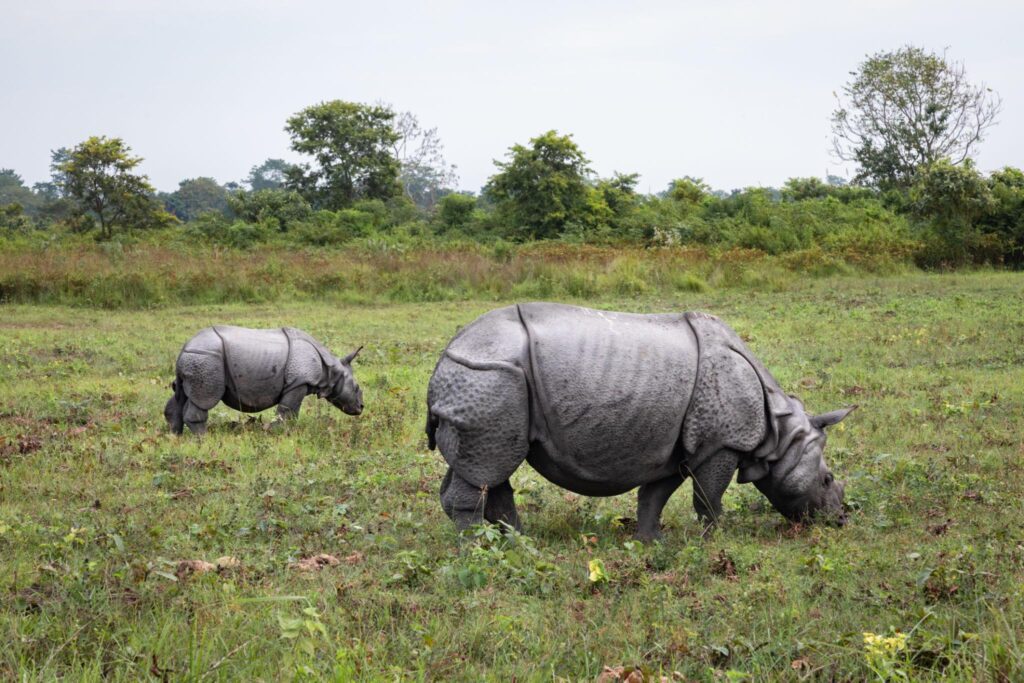
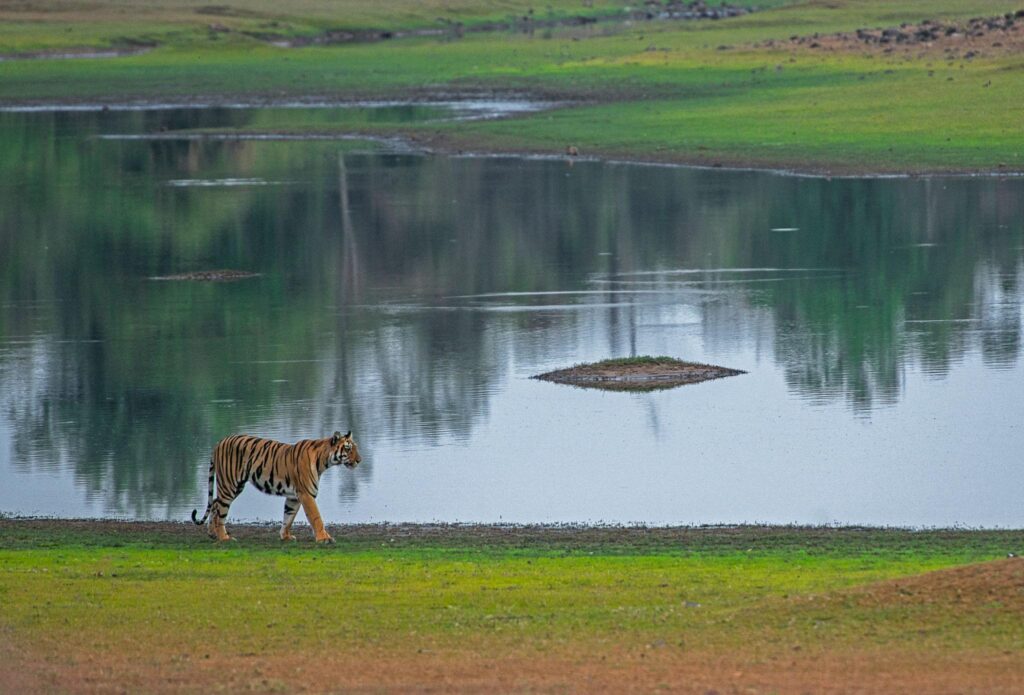
A Day in the Life of a Tadoba Tiger Safari: From Sunrise Thrills to Campfire Stories
Imagine waking up at 4:30 a.m. to the sound of birds instead of alarm clocks. The air is cool, the sky is still dark, and somewhere deep inside the forest, a tiger is already on the move. This is not just another holiday morning—it is the beginning of a Tadoba Tiger Safari, one of the most exciting wildlife safari experiences in India.
Many people believe that a safari is only about spotting a tiger. After spending countless hours in the forests of Tadoba, I can confidently say that this is the biggest myth about wildlife travel. A safari is about becoming part of the forest, even if only for a few hours. Every sound, every footprint, every bird call, and every rustling leaf tells a story. If you slow down and listen, the forest rewards you in ways that no city ever can.

4:30 A.M. – The Forest Calls Before Sunrise
The day begins long before sunrise. While most of the world is asleep, safari guests quietly prepare with warm clothes, cameras, binoculars, and plenty of excitement. The roads leading towards Tadoba’s safari gates are peaceful, with only the occasional vehicle carrying fellow wildlife enthusiasts.
As you approach the entrance gate, you notice an energy that is impossible to describe. Naturalists, forest guides, photographers, and visitors from across the world gather with one common hope—to experience the magic of the wild.
This is also the perfect time to carry your camera and binoculars because the forest begins to wake up even before the gates open.
6:00 A.M. – Entering India’s Wild Kingdom
The gates finally open.
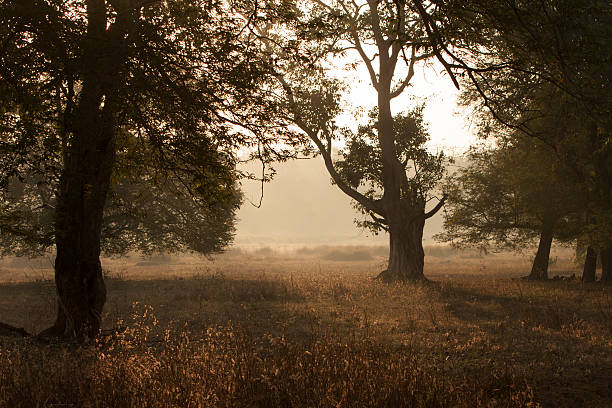
Your safari vehicle slowly rolls into the forest, and within minutes, the outside world disappears. Mobile signals fade, traffic noises vanish, and towering teak, bamboo, and mixed deciduous forests welcome you into one of India’s finest tiger habitats.
The cool morning breeze carries the earthy smell of the forest. Sunlight gently filters through the trees, creating golden rays that make every corner look magical.
This is when you realise that a Tadoba wildlife safari is much more than a sightseeing tour. It is an experience that reconnects you with nature.
Source: Gettyimages
Following Nature’s Clues
Contrary to popular belief, guides do not magically know where tigers are hiding.
Every sighting is the result of carefully reading the forest.
Fresh pugmarks on the dusty road suggest that a tiger walked here just minutes ago. A herd of spotted deer suddenly freezes and stares into the bushes. Langurs sitting high in the trees begin giving loud alarm calls.
These signs slowly build anticipation.
Sometimes the vehicle waits silently for several minutes. Sometimes it moves quickly towards another track after receiving information from forest guides.
This tracking process is what makes every tiger safari in India so exciting. You are not simply looking for wildlife—you are understanding how the entire forest communicates.
The Moment Everyone Waits For
Then it happens.
The guide quietly whispers, “Tiger.”
Everyone immediately falls silent.
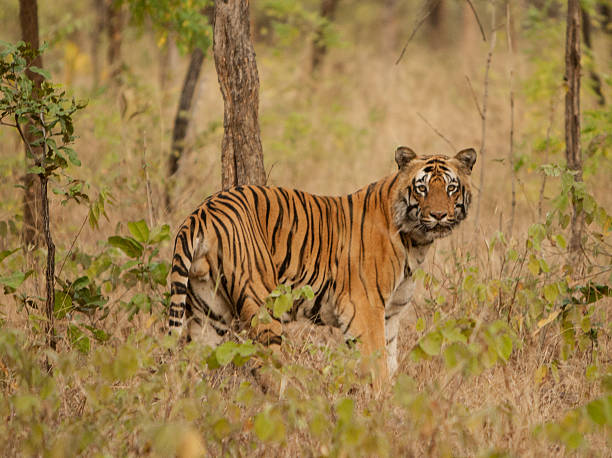
A magnificent Bengal Tiger emerges from the bamboo thicket and slowly walks across the forest road. There is no rush. No fear. No performance.
The tiger completely ignores the vehicles and continues its morning patrol with incredible confidence.
For a few unforgettable seconds, nobody speaks.
Cameras click softly, but most people simply watch.
It is impossible to describe the feeling of seeing a wild tiger in its natural home. This is why thousands of people travel every year for a Tadoba Tiger Safari, hoping to experience this extraordinary moment.
Yet even if the tiger disappears after a few seconds, the memory remains forever.
Source: gettyimages
The Forest Offers More Than Tigers
One mistake many first-time visitors make is focusing only on tigers.
In reality, Tadoba is one of India’s richest wildlife destinations.
During a single safari, you may also encounter:
- Indian Gaur grazing peacefully.
- Sloth Bears searching for termites.
- Packs of Wild Dogs moving together with incredible teamwork.
- Sambar Deer standing alert near waterholes.
- Crested Serpent Eagles scanning the forest from tall trees.
- Colourful butterflies fluttering through sunny clearings.
Every species has its own role in the forest ecosystem. Understanding these interactions makes the safari far more meaningful than simply collecting tiger photographs.
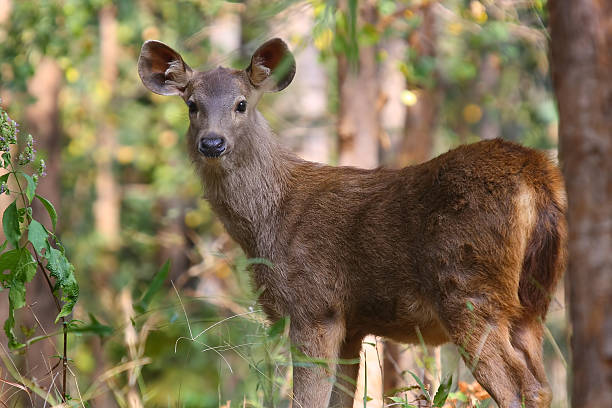
Source: Gettyimages
Breakfast Never Tastes Better
After the morning safari, most visitors return to their lodge for breakfast.
Interestingly, breakfast conversations are rarely about food.
Instead, everyone excitedly shares stories.
Someone saw a leopard crossing the road.
Another guest watched a sloth bear with cubs.
A photographer proudly displays images of a Changeable Hawk-Eagle.
Even guests who did not see a tiger often realise they experienced something equally memorable.
This is one reason why choosing a comfortable wildlife resort near Tadoba makes a big difference. Many properties offer delicious local cuisine, peaceful forest surroundings, and experienced naturalists who continue sharing stories long after the safari ends.
If you’re planning your stay, look for forest resorts near Moharli Gate, nature lodges in Tadoba, or luxury jungle stays that offer guided wildlife experiences. These are also ideal options to compare on popular travel booking platforms.
A Relaxed Afternoon
Unlike busy city holidays, afternoons in Tadoba move slowly.
Guests often spend time reviewing wildlife photographs, identifying birds, relaxing beside nature-inspired cottages, or discussing animal behaviour with naturalists.
This quiet break helps you appreciate that wildlife travel is not about rushing from one attraction to another.
It is about slowing down.
Evening Safari – A Completely Different Forest
As the afternoon sun softens, it is time for the second safari.
Although the same forest awaits, everything feels different.
Bird activity increases.
Peacocks call from open meadows.
Golden light transforms the landscape.
Fresh animal tracks appear on dusty roads.
Many predators become active again as temperatures begin to drop.
Every evening safari carries fresh excitement because wildlife behaviour constantly changes throughout the day.
Image Placement 5
Photo: Safari jeep during golden-hour light with forest landscape.
Photo Credit: Flying Hornbill
Sunset, Stories and the Perfect Ending
As darkness slowly settles over the forest, the safari comes to an end.
Back at the lodge, guests gather around a warm campfire.
Someone shares the day’s best photograph.
Another talks about hearing alarm calls for the first time.
Children excitedly describe spotting a giant gaur.
Naturalists explain fascinating stories about tiger territories, leopard behaviour, and the incredible intelligence of wild dogs.
It is during these conversations that most people realise something important.
A safari is never only about seeing wildlife.
It is about learning patience, respecting nature, and understanding that humans are only visitors in this ancient landscape.
That is why every visit to Tadoba feels different.
The forest writes a new story every single day.
If you are looking for more than just a vacation, a Tadoba Tiger Safari offers an experience that stays with you long after you return home.
Whether you are a wildlife photographer, a family seeking adventure, or someone visiting a national park for the first time, Tadoba has a remarkable way of changing the way you see nature.
Ready to experience the wild for yourself?
Book your next Tadoba Tiger Safari with Flying Hornbill.
Book your safari: +91-9344813299
Email: [email protected]
Website: www.flyinghornbill.com
Planning Tip: Stay for at least three safaris over two nights. Wildlife sightings are unpredictable, and each safari reveals a different side of the forest. The more time you spend in Tadoba, the richer your experience becomes.

About Navaneeth Krishnan
Navaneeth Krishnan is a premier Travel Curation Expert with 14+ years of experience. Having partnered with top travel brands, he knows India’s tourist spots like the back of his hand, making him the trusted expert to design your next unforgettable, perfectly tailored tour.