Why Most People Plan a Tiger Safari the Wrong Way
Almost everyone dreams of seeing a tiger in the wild. They imagine a massive cat walking gracefully across the road while their camera captures the perfect moment. But the reality of a Tadoba Tiger Safari is very different—and honestly, that is what makes it unforgettable.
One of the biggest myths about wildlife tourism in India is that booking a safari automatically guarantees a tiger sighting. It doesn’t.
A tiger safari is not a zoo visit. It is an experience inside one of India’s richest forests, where every sighting is earned through patience, observation, and a little bit of luck.
Ironically, this uncertainty is exactly what makes Tadoba Tiger Reserve one of the most exciting wildlife destinations in India. Every alarm call, every fresh pugmark, and every rustle in the bamboo forest keeps you wondering what might appear around the next bend.
If you are planning your first Tiger Safari in India, this guide will help you avoid common mistakes, choose the right safari zones, select the best time to visit, and make your journey far more rewarding.

PC: Maharashtra Forest Department
Why Tadoba Tiger Reserve Has Become One of India’s Best Wildlife Destinations
When people think about tiger safaris, names like Ranthambore, Bandhavgarh, and Kanha usually come first. However, over the past decade, Tadoba Tiger Reserve has quietly built a reputation among wildlife photographers, naturalists, and serious safari travellers as one of the finest places in India to observe wild tigers.
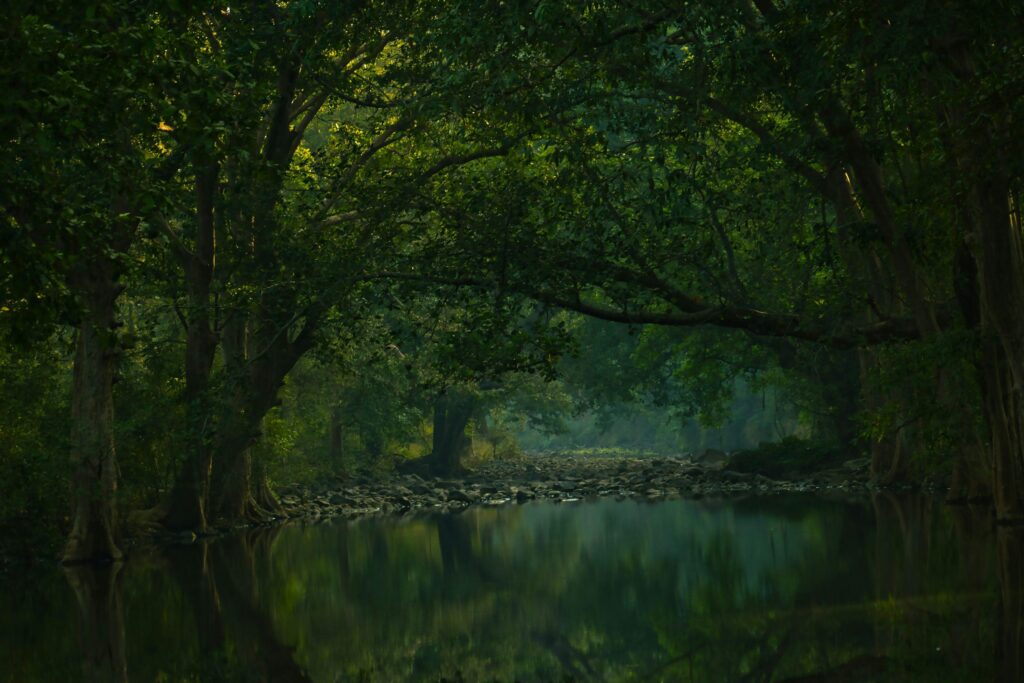
Located in Maharashtra’s Chandrapur district, Tadoba is the state’s oldest and largest national park. The reserve is made up of dry deciduous forests, bamboo thickets, grasslands, lakes, and seasonal streams that create an ideal habitat for tigers and a remarkable diversity of wildlife.
What makes Tadoba truly special is not just the number of tigers. It is the overall safari experience. Even when you don’t see a tiger, the forest remains alive with movement. Herds of spotted deer graze peacefully in open meadows, gaur emerge from dense forests, sloth bears search for termites, and packs of dholes move silently through the landscape.
This is why experienced wildlife travellers often say that the real magic of Tadoba is not simply spotting a tiger—it is learning how the forest tells you that a tiger is nearby.
PC: Internet
What Makes a Tadoba Tiger Safari Different From Other Tiger Reserves?
Many visitors assume that all tiger reserves offer the same experience. They don’t.
Every forest has its own personality.
Ranthambore is known for its historic forts and open landscapes.
Kanha is famous for its vast meadows.
Bandhavgarh has dramatic hills and ancient caves.
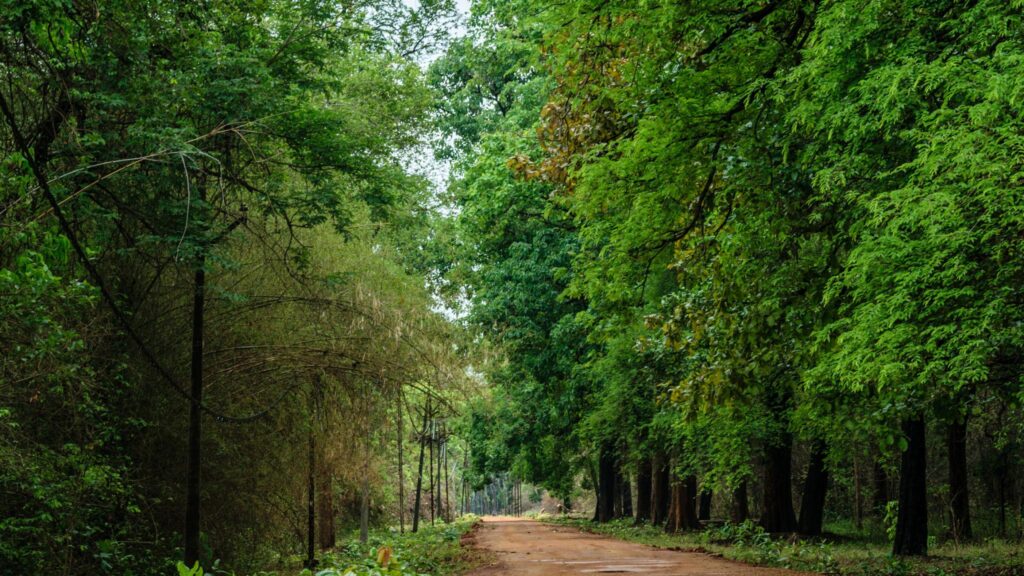
Tadoba, however, feels wonderfully wild. Dense bamboo forests suddenly open into beautiful grasslands. Quiet lakes attract birds, crocodiles, and herbivores, while narrow forest roads create moments where every turn feels like a new discovery.
Unlike many other parks where visitors focus only on tiger sightings, a Tadoba Tiger Safari rewards those who slow down and notice the smaller details. Fresh claw marks on a tree, langurs giving alarm calls, or the silence that spreads across the forest can all signal the presence of a predator nearby.
This makes every safari feel like a real wildlife expedition rather than a sightseeing tour.
The Biggest Mistake First-Time Safari Visitors Make
Here is something that surprises most people.
Many tourists spend months choosing a resort but only a few minutes planning their safari.
That is exactly the opposite of what you should do.
The quality of your safari depends on several factors:
- The safari zone you choose.
- The season you visit.
- The time of your safari.
- The experience of your guide.
- The number of safaris you book.
- Your expectations from the forest.
Many people book only one safari and hope to see everything in four hours. Wildlife simply doesn’t work that way.
If your dream is to experience one of the best tiger safaris in India, consider booking at least three to four safaris across different zones. This not only increases your chances of seeing a tiger but also lets you appreciate the incredible diversity of Tadoba’s landscapes and wildlife.
This is one reason experienced wildlife travellers often return to Tadoba year after year.
Is Tadoba Really the Best Place to See Tigers in India?
This is one of the most searched questions online, but the answer isn’t as simple as many blogs suggest.
No wildlife reserve can honestly promise a tiger sighting. Anyone who guarantees one is setting unrealistic expectations.
What Tadoba does offer is something far more valuable—a healthy tiger population, excellent wildlife management, diverse habitats, and consistently rewarding safari experiences throughout much of the year.
However, the real success of your safari should not be measured only by one photograph of a tiger.
Imagine spending an early morning surrounded by mist rising from Tadoba Lake while a pair of crested serpent eagles call overhead. A herd of gaur slowly crosses the road, fresh tiger pugmarks appear in the soft dust, and alarm calls echo through the bamboo forest. Even if the tiger remains hidden, you leave with a deeper understanding of the forest.
That is the experience people remember for years.
And when a tiger finally does appear, it becomes a bonus rather than the only reason for your journey.
More Than Tigers: Why Every Safari in Tadoba Feels Different
One of the biggest reasons people fall in love with Tadoba is that no two safaris are ever the same.
One drive may be filled with birdlife as paradise flycatchers, hornbills, and kingfishers become the stars of the morning. Another may revolve around a sloth bear foraging in the forest or a pack of dholes moving with remarkable teamwork. On another day, the excitement may build slowly as alarm calls, fresh pugmarks, and the behaviour of deer and langurs hint that a tiger is somewhere close.
This unpredictability is not a drawback—it is the very essence of a true wildlife safari. Instead of following a script, the forest unfolds at its own pace, making every visit unique and deeply memorable.
What Is the Best Time to Visit Tadoba Tiger Reserve?
One of the first questions every traveller asks is, “When should I visit Tadoba?” The honest answer is that there is no single “perfect” season. Instead, the best time depends on the kind of wildlife experience you are looking for.
Many blogs simply recommend summer because tiger sightings are often more frequent near water sources. While this is true, it doesn’t mean winter or the post-monsoon months are less rewarding. Every season transforms Tadoba into a completely different forest.
If your goal is to experience one of the best tiger safaris in India, understanding these seasonal differences will help you plan a much better trip.

Photo Credit: Maharashtra Forest Department
Summer (March to June): The Best Season for Tiger Sightings
Summer is widely regarded as the peak season for a Tadoba Tiger Safari. As temperatures rise, natural water sources become limited, encouraging wildlife to visit lakes, ponds, and waterholes more frequently.
This often improves the chances of seeing tigers, leopards, sloth bears, and gaur.
However, summer also means hot afternoons, dusty roads, and temperatures that can exceed 45°C. Morning safaris are usually more comfortable, while evening drives often reward visitors with dramatic golden light that photographers love.
If your dream is to photograph a tiger in the wild, summer is usually the most rewarding season.
Winter (October to February): The Most Comfortable Safari Experience
Winter is ideal for families, birdwatchers, and first-time visitors. The weather is pleasant, mornings are cool, and the forest is beautifully green after the monsoon.
Although vegetation can sometimes make wildlife harder to spot than in summer, the overall safari experience is incredibly enjoyable. This is also one of the best seasons for bird photography, with many migratory species visiting Tadoba.
Photo Credit: Internet
Monsoon: When the Forest Comes Alive
Most core zones remain closed during the monsoon because of heavy rainfall and road conditions. However, some buffer areas may remain open depending on the weather and forest department regulations.
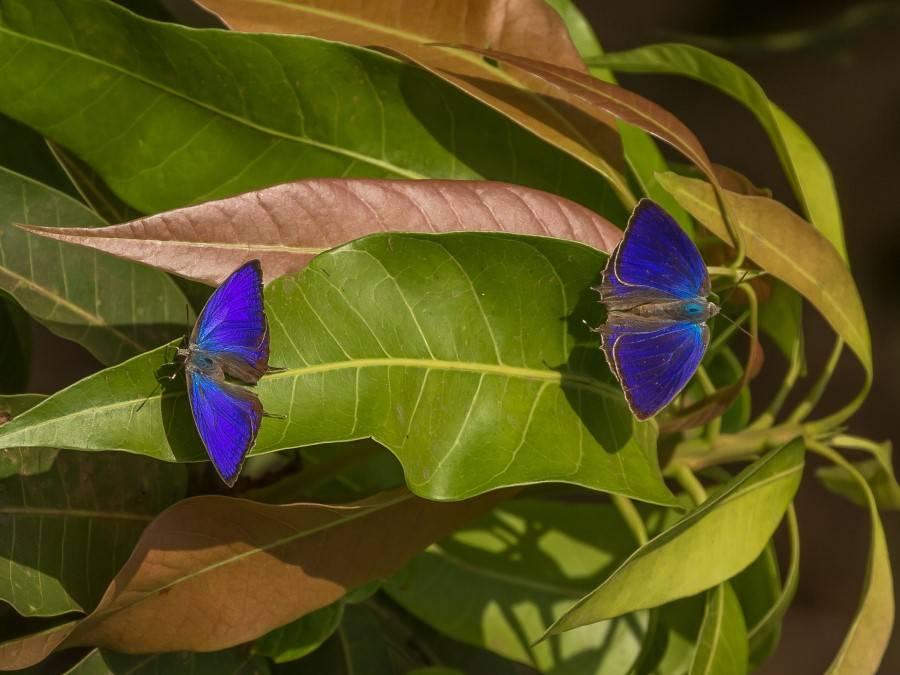
This is the season when Tadoba feels the most alive. Fresh leaves cover the forest, streams begin flowing again, butterflies emerge in large numbers, and the jungle becomes rich with insects, reptiles, and birds.
For nature lovers and photographers interested in landscapes rather than tiger sightings, this is a magical time to experience the reserve.
Core Zone vs Buffer Zone: Which Safari Gives Better Tiger Sightings?
This is perhaps the most misunderstood topic among first-time visitors.
Many people assume that booking a safari in the Core Zone automatically guarantees better tiger sightings. That isn’t always true.
The truth is that wildlife moves freely across the landscape. Tigers do not know where the core ends and the buffer begins.
The Core Zone generally offers pristine forests, fewer human disturbances, and a more immersive wilderness experience. On the other hand, several Buffer Zones have developed excellent reputations for consistent tiger sightings over the years.
Rather than focusing only on the zone, it is better to choose a combination of safari routes over multiple drives. This increases your chances of exploring different habitats and encountering different wildlife.
Photo Credit: Maharashtra Forest Department
Popular Safari Gates
Some of the most popular gates include:
- Moharli Gate
- Kolara Gate
- Navegaon Gate
- Khutwanda Gate
- Pangdi Gate
- Zari Gate
Each gate provides access to different landscapes and wildlife habitats. Choosing the right gate often depends on your accommodation and safari availability rather than trying to chase rumours about where the tigers are.
How to Book a Tadoba Safari Without Making Costly Mistakes
One of the biggest mistakes travellers make is booking their accommodation first and only then looking for safari permits. During weekends, holidays, and peak wildlife seasons, safari permits can sell out weeks or even months in advance.
Instead, secure your safari permits first and then choose accommodation close to your allocated gate. This simple step can save you hours of unnecessary travel every morning.
Where Should You Stay in Tadoba?
Choosing the right accommodation is just as important as selecting the right safari.
Many visitors spend hours searching for hotels without considering how far they are from the safari gates. Staying close to your entry gate means more sleep, less driving, and a relaxed start to your safari.
Here are some excellent accommodation options that cater to different budgets. These are also ideal places where you can naturally add affiliate links.
Luxury Resorts
If you are looking for a premium wildlife experience, consider:
These properties offer beautifully designed rooms, experienced naturalists, delicious local cuisine, and a peaceful atmosphere that complements the safari experience.
Mid-Range Options
Travellers looking for comfort and value can consider:
These properties provide comfortable rooms, good food, and easy access to safari gates while remaining more affordable than luxury lodges.
Budget-Friendly Accommodation
If your priority is spending more on safaris than luxury accommodation, several clean homestays, eco-lodges, and guesthouses are available around Moharli and Kolara.
Many local stays provide authentic Maharashtrian meals, friendly hospitality, and quick access to safari entry gates.
A Simple 3-Day Tadoba Safari Plan
If this is your first visit, a three-day itinerary offers the perfect balance between wildlife, relaxation, and photography.
Day 1: Arrive, check into your resort, enjoy an evening safari.
Day 2: Morning safari, rest during the afternoon, evening safari.
Day 3: Final morning safari before departure.
This plan gives you multiple opportunities to explore different zones while allowing enough time to appreciate the forest beyond just tiger sightings.
Wildlife You May Encounter During a Tadoba Tiger Safari
While tigers are undoubtedly the stars of the reserve, Tadoba is home to an impressive variety of mammals, birds, reptiles, and insects. Every safari offers the possibility of discovering something unexpected.
Some of the most commonly seen wildlife includes:
- Royal Bengal Tiger
- Leopard
- Sloth Bear
- Dhole (Indian Wild Dog)
- Indian Gaur
- Sambar Deer
- Spotted Deer (Chital)
- Nilgai
- Wild Boar
- Mugger Crocodile
- Langur
- Rhesus Macaque
Birdwatchers can also enjoy sightings of crested serpent eagles, Indian pittas, paradise flycatchers, hornbills, kingfishers, owls, and many migratory species during winter.
Even butterflies, dragonflies, and flowering trees add colour to the landscape, making every season unique.
Plan Your Tadoba Safari with Flying Hornbill
Whether you are visiting Tadoba for the first time or returning to explore a new safari zone, careful planning can make all the difference. From safari bookings and accommodation guidance to customised wildlife itineraries, our team is here to help you experience the forest responsibly and comfortably.
Book your safari: +91-9344813299
Email: [email protected]
Website: www.flyinghornbill.com
Call to Action
Before you book your safari, make sure you’re fully prepared.
Comment “TADOBA” below, and we’ll send you our FREE Tadoba Safari Planning PDF, which includes:
- Best safari gates for different seasons
- Packing checklist
- Safari booking timeline
- Wildlife photography tips
- Common mistakes first-time visitors make
- Recommended 3-day itinerary
This guide can help you plan a smoother and more rewarding wildlife experience.

About Navaneeth Krishnan
Navaneeth Krishnan is a premier Travel Curation Expert with 14+ years of experience. Having partnered with top travel brands, he knows India’s tourist spots like the back of his hand, making him the trusted expert to design your next unforgettable, perfectly tailored tour.