Satpura Beyond Wildlife: Stories of People and Nature

Photo Credit: Cultural archives / documentary photographers
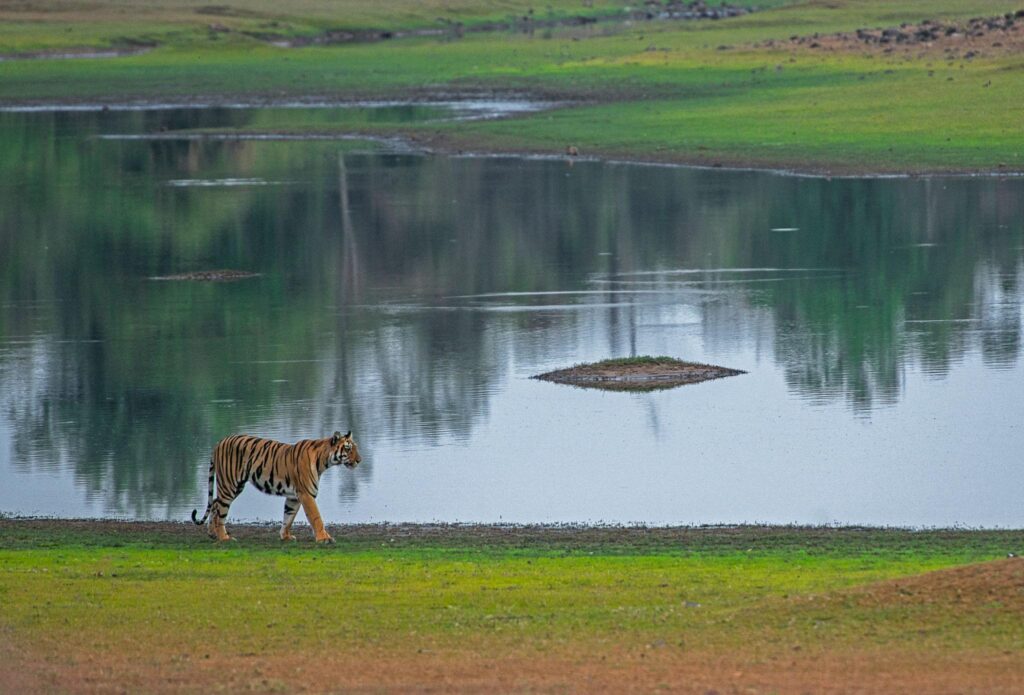
When people think of a wildlife safari in India, they imagine animals.
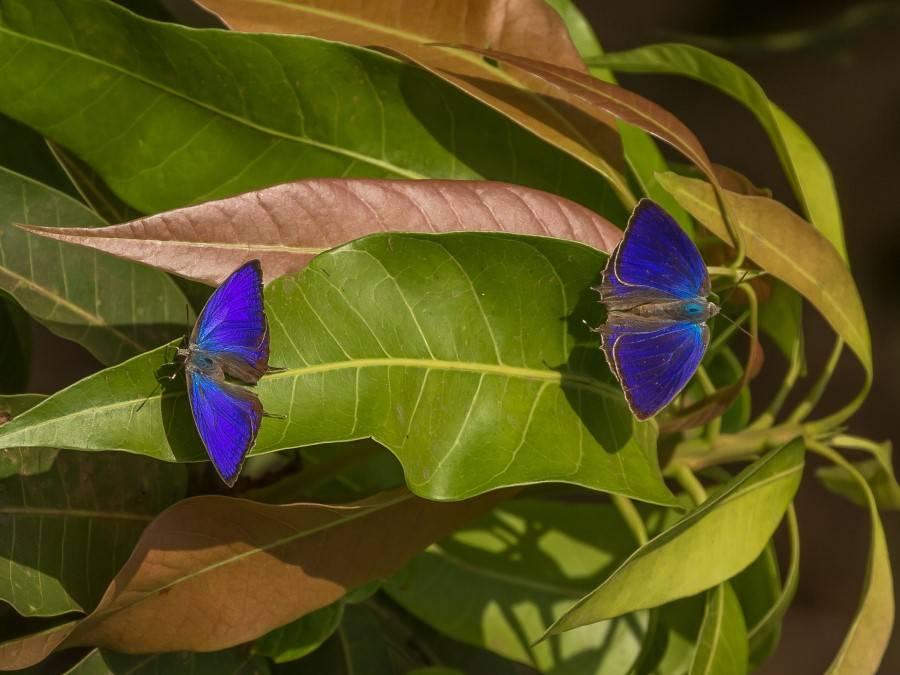
Tigers. Leopards. Birds.
However, there is another part of the forest that often goes unnoticed.
The people.
Because Satpura is not just a forest of wildlife.
It is also a landscape of communities who have lived alongside nature for generations.
A Different Kind of Relationship with the Forest
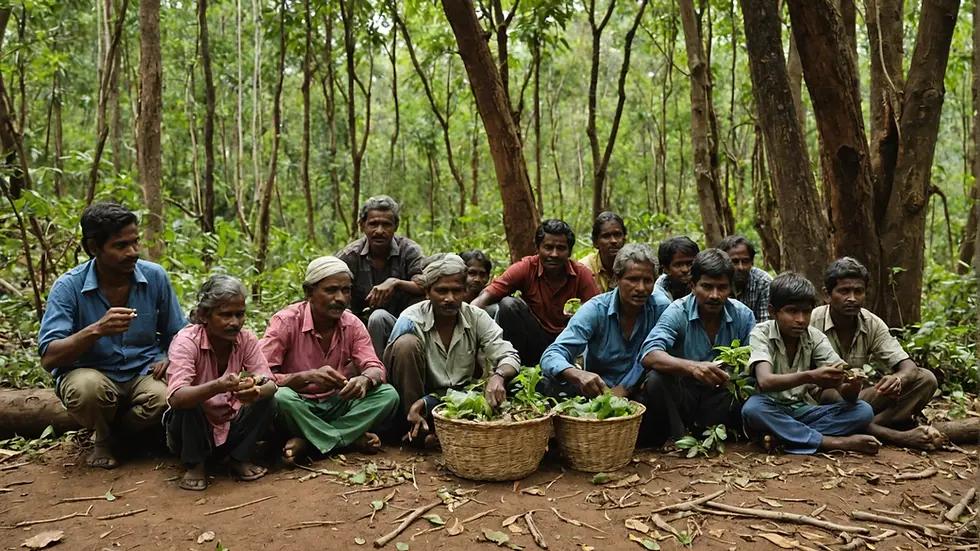
Photo Credit: Ethnographic archives / field documentation
For many local communities, the forest is not a destination.
It is home.
They do not “visit” the jungle. Instead, they grow with it, depend on it, and understand it in ways most visitors never will.
As a result, their relationship with nature is not based on control—but on balance.
This is something a typical wildlife safari in India rarely shows.
Coexistence Is Not Easy — But It Exists
Living close to wildlife comes with challenges.
There are risks. Crop loss, livestock predation, and uncertainty are part of daily life.
Yet, despite this, coexistence continues.
Not perfectly. Not without conflict. But with adaptation.
Because over time, communities learn how to read patterns—when animals move, where they go, and how to avoid confrontation.
What the Forest Teaches That We Often Forget
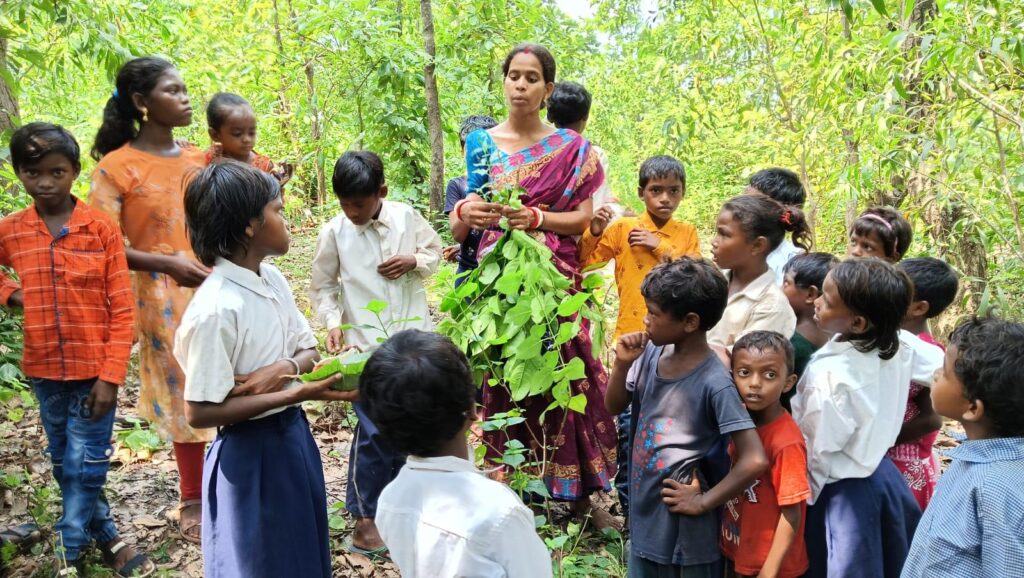
Photo Credit: Cultural storytelling archives / field researchers
There is knowledge here that does not exist in books.
It is passed through stories, observations, and lived experiences.
For example:
- identifying animal movement through sound
- understanding seasonal changes without data
- recognizing plant uses and forest signals
This kind of knowledge connects people to ecosystems in a deeper way.
And slowly, you begin to realise—this is also part of the wildlife safari in India.
The Shift You Experience as a Traveler
At first, you come to see animals.
But then, something changes.
You begin to see people as part of the ecosystem—not separate from it.
And that shift is important.
Because conservation is not only about protecting wildlife.
It is also about understanding people.
Why This Matters for Wildlife Safari in India
Many conservation conversations focus only on species.
However, long-term protection depends on communities.
If people benefit from conservation, they support it.
If they are excluded, conflict increases.
Therefore, a meaningful wildlife safari in India must go beyond sightings.
It must include awareness.
How You Can Travel More Responsibly
You may not live here, but your choices still matter.
- respect local knowledge and culture
- choose experiences that support communities
- avoid treating villages as attractions
- listen more than you speak
Because responsible travel is not about doing more.
It is about doing better.
Final Thought: The Forest Is Not Empty
Satpura is often described as “wild” and “untouched.”
But that is not entirely true.
Because the forest has always had people.
People who understand it.
People who adapt to it.
People who live with it.
And once you see that, your idea of a wildlife safari in India changes forever.
Experience Satpura Beyond Sightings
If you want a deeper, more meaningful experience:
📞 Book your safari: +91-9344813299
📧 Email: [email protected]
🌐 www.flyinghornbill.com
Call to Action
If you want a simple guide on responsible wildlife travel and community-based conservation, comment:
COEXISTENCE GUIDE
and I’ll share it with you.

About Navaneeth Krishnan
Navaneeth Krishnan is a premier Travel Curation Expert with 14+ years of experience. Having partnered with top travel brands, he knows India’s tourist spots like the back of his hand, making him the trusted expert to design your next unforgettable, perfectly tailored tour.