Night vs Day in Corbett: The Hidden Wildlife You Never See
Most people visit Jim Corbett National Park, go on a morning or evening safari, and leave feeling like they have “seen the forest.”
But the truth is simple.
You have only seen half of it.
The forest you experience during a Corbett safari experience is just one version of reality. When the sun goes down, everything changes. The behavior of animals, the sounds, the movement, even the energy of the forest shifts completely.
And most visitors never witness that side.
Daytime in Corbett: Calm, Visible, Predictable

Photo Credit: Unsplash Wildlife Photographers
During the day, Corbett feels open and easier to understand.
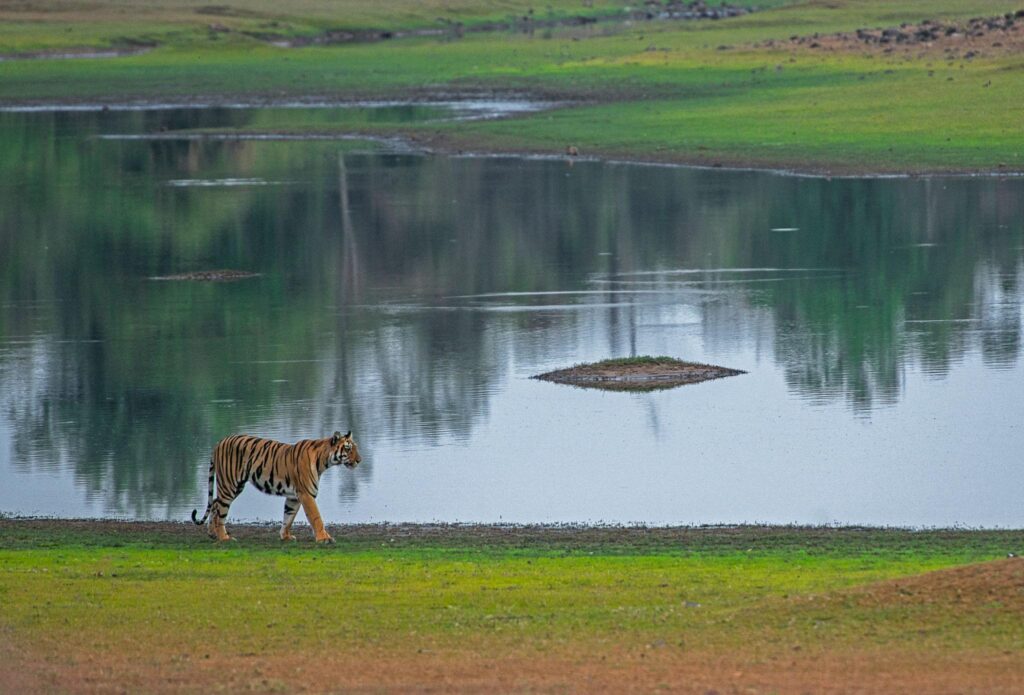
You see herds of spotted deer grazing, langurs sitting high on trees, and birds moving freely across the canopy. Elephants may be seen near water bodies, and if you are lucky, even a tiger might cross your path.
This is the version of the forest most people are familiar with.
Animals are more visible, and safaris are designed around this time because it is safer and easier to navigate.
This is why most bookings you see under Corbett National Park safari booking or wildlife safari India packages are focused only on morning and evening slots.
But what you are seeing is just the surface.
What Changes When the Sun Goes Down
As the sun sets, the forest slowly transforms.
The silence you felt during the day disappears. New sounds begin to emerge. Crickets start calling, leaves move without wind, and distant alarm calls echo through the darkness.
Most daytime animals retreat or become cautious.
At the same time, another world wakes up.
This is the part of Corbett that most visitors never experience, not because it doesn’t exist, but because it is not accessible through regular safaris.
The Hidden Wildlife of the Night

Photo Credit: Wikimedia Commons / Wildlife Photographers
At night, the forest belongs to a completely different set of animals.
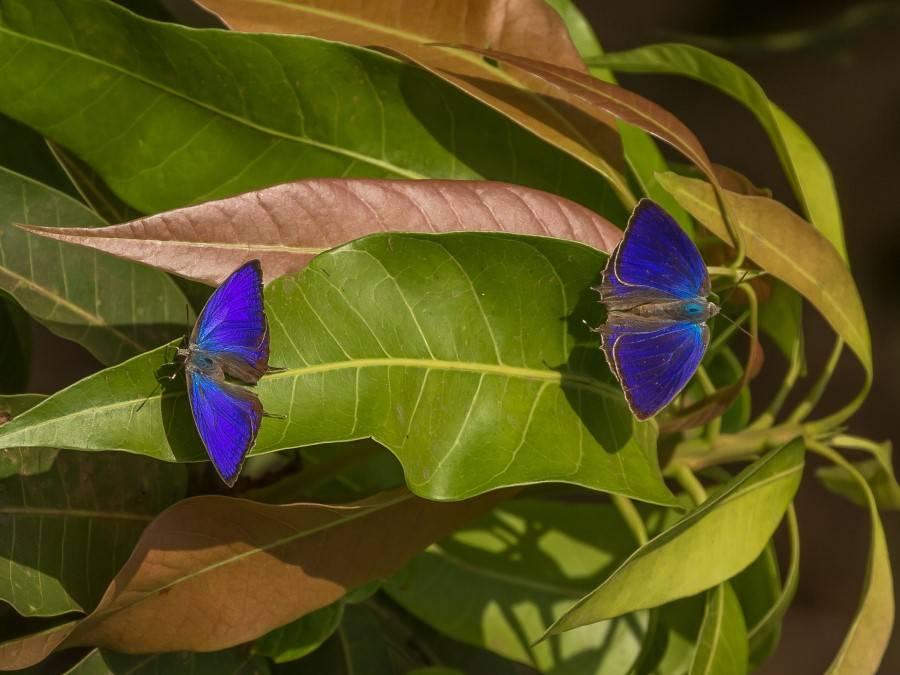
Leopards move silently through the trees, often avoiding areas where humans are active during the day. Smaller mammals like civets and porcupines come out to forage. Owls begin hunting, and insects become more active than ever.
Even tigers behave differently at night.
They move more freely, cover larger distances, and are less restricted by human presence.
This is why many experienced naturalists say that the real forest begins after sunset.
Why You Don’t Get to See This Side
There is a reason why night safari in Corbett is not commonly allowed.
Forests like Corbett are protected areas, and unrestricted human movement at night can disturb wildlife patterns. It can also increase risks for both animals and visitors.
Unlike some reserves in India that allow limited night drives, Corbett focuses more on conservation and controlled access.
So what you experience during a tiger safari India is intentionally limited to protect the ecosystem.
This restriction is not a drawback.
It is what keeps the forest natural.
The Illusion of a “Complete Safari”
Most visitors measure their safari by one thing: sightings.
Did they see a tiger?
Did they see something rare?
But this way of thinking misses the bigger picture.
A safari is not designed to show you everything.
It is designed to give you access to a living ecosystem for a short period of time.
What you see is only a fraction of what actually exists.
How to Experience More Than Just the Surface
Even though you cannot enter the forest at night, you can still deepen your experience.
Choosing the right stay plays an important role here.
Staying at:
- jungle resorts in Corbett National Park
- eco-friendly stays near Corbett
- forest lodges close to buffer zones
allows you to experience the transition from day to night more closely.
The sounds of the forest at night, even from your stay, can change how you perceive wildlife completely.
The Real Shift: From Watching to Understanding
The biggest transformation happens when you stop trying to “see everything.”
Instead, you begin to understand that:
- the forest operates in cycles
- not all life is visible at the same time
- absence of sightings does not mean absence of life
When you accept this, your entire Corbett safari experience changes.
You stop chasing moments and start noticing patterns.
Plan Your Safari With the Right Perspective
If you want to experience Corbett beyond just a checklist, planning matters.
Book your safari: +91-9344813299
Email: [email protected]
Website: www.flyinghornbill.com
A good guide will help you read the forest, not just search it.
Final Thought: The Forest You Didn’t See
The Corbett you visited during the day is real.
But it is incomplete.
There is another version of the forest that begins after sunset, filled with movement, silence, and life that most people never witness.
And once you understand that, your next safari will never feel the same again.
Call to Action
If this changed how you think about wildlife, comment the word “WILD”.
You will receive a guide on how to experience forests beyond just sightings.

About Navaneeth Krishnan
Navaneeth Krishnan is a premier Travel Curation Expert with 14+ years of experience. Having partnered with top travel brands, he knows India’s tourist spots like the back of his hand, making him the trusted expert to design your next unforgettable, perfectly tailored tour.