Jim Corbett Story: The Man Who Changed Wildlife in India
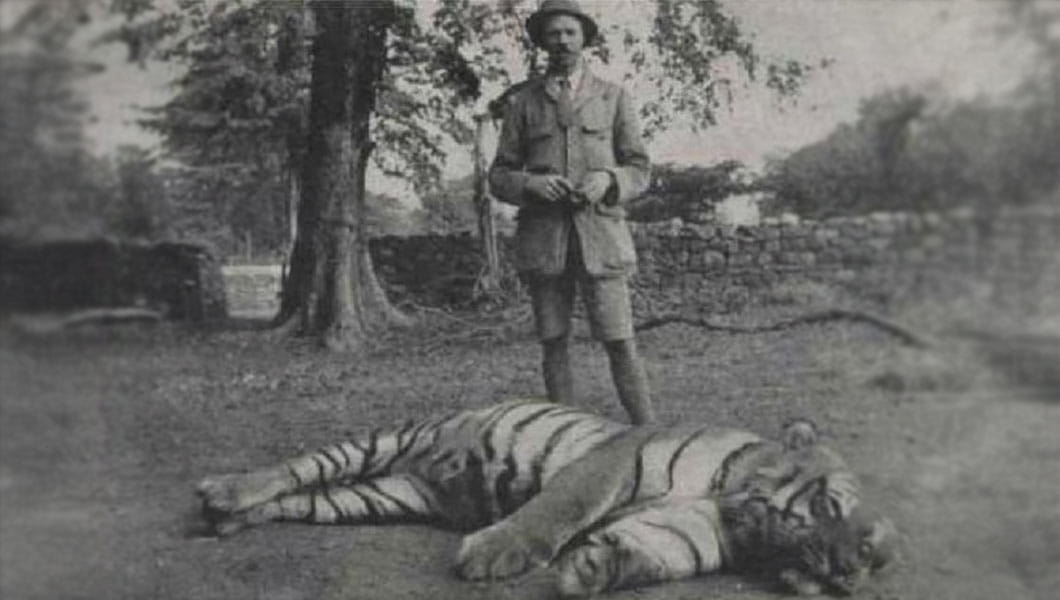
Photo Credit: Wikimedia Commons / Corbett Museum Archives
When people hear the name Jim Corbett, they often think of a national park.
But behind that name was a man whose life changed the way India sees its forests.
He was once known as a hunter. Later, he became one of the earliest voices for wildlife conservation in India.
His story is not simple. It is uncomfortable, complex, and deeply human.
And that is what makes his legacy important.
The Early Years: A Hunter Shaped by the Forest
Jim Corbett was born in Nainital during British India. He grew up close to forests, learning to track animals not from books, but from experience.
At that time, hunting was not seen the way it is today. It was often necessary for survival, especially when certain animals became dangerous to human settlements.
Corbett became famous for tracking and killing man-eating tigers and leopards. These were not ordinary animals. Most of them had turned to human prey due to injury, loss of habitat, or inability to hunt naturally.
His work saved lives.
But it also brought him face to face with a reality that would later change him.
The Turning Point: Understanding the Real Problem
Photo Credit: Unsplash / Historical Landscape Collections
As Corbett spent more time in the forests, he began to notice something important.
The animals he was hunting were not the real problem.
Most man-eaters had become dangerous because of human actions. Some were injured by gunshots. Others lost their natural prey due to deforestation.
This changed his perspective.
He no longer saw animals as enemies. He began to see them as victims of a changing environment.
This shift was the foundation of his legacy.
From Hunter to Conservationist
Corbett eventually stopped hunting for sport and started advocating for wildlife protection.
He believed that forests were not just spaces for animals, but systems that supported life itself.
He played a key role in establishing India’s first national park, which was later named after him as Jim Corbett National Park.
This was not just a geographical space.
It was a new idea.
The idea that wildlife needed protection, not control.
The Stories That Changed How We See Wildlife
Corbett did something that few people had done before.
He wrote.
His books, especially Man-Eaters of Kumaon, did not just describe hunts. They described forests, people, and the delicate balance between them.
He wrote about fear, respect, and understanding.
For many readers, this was the first time wildlife was not shown as something to conquer, but something to coexist with.
His writing still influences how people approach a wildlife safari in India today.
What Most People Misunderstand About His Legacy
It is easy to look at Corbett’s early life and judge it by today’s standards.
But doing that misses the bigger picture.
His journey was not about being right from the beginning.
It was about changing when he understood better.
That is what makes his story powerful.
He represents a transition from control to conservation.
From fear to understanding.
Corbett Today: A Living Legacy
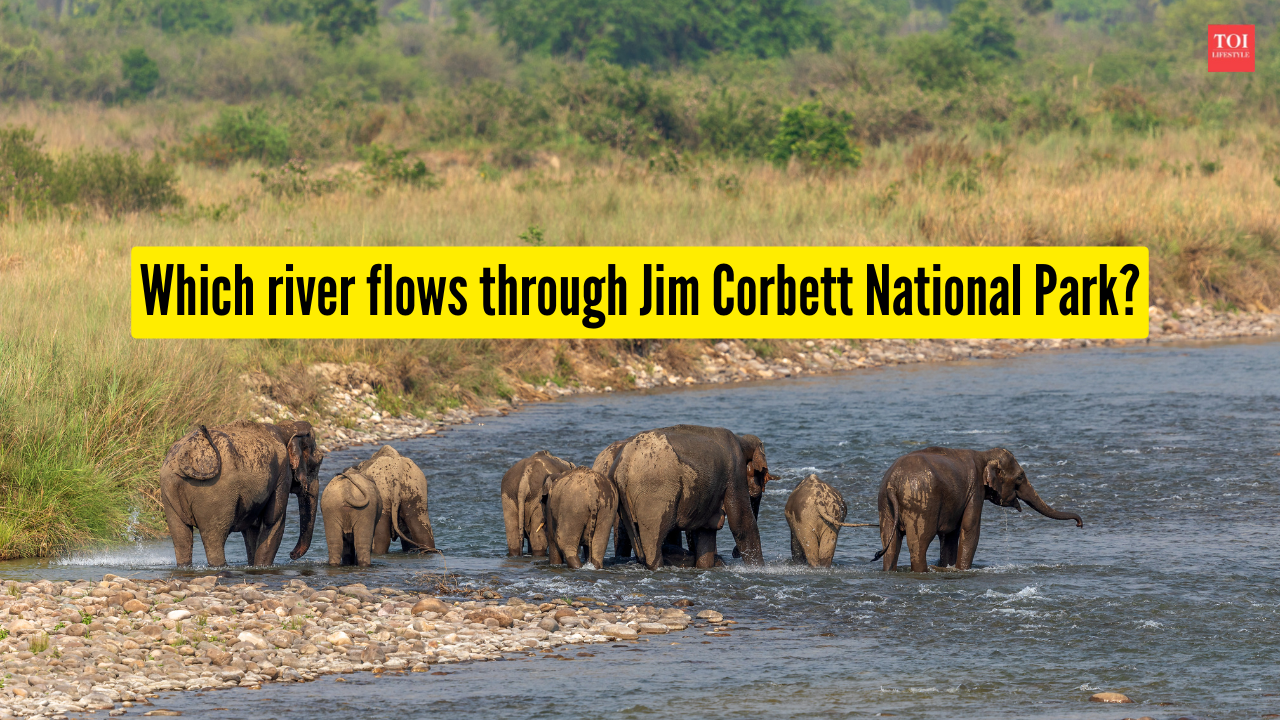
Photo Credit: Pexels / Unsplash Wildlife Photographers
Today, thousands of people visit Corbett every year for a Corbett safari experience.
They search for:
- Corbett National Park safari booking
- tiger safari India
- best time to visit Corbett
But very few pause to think about why this forest still exists.
It exists because of people who chose to protect it.
Corbett’s legacy is not just the park. It is the mindset that forests need to be preserved, not used.
Experiencing Corbett the Right Way
If you visit Corbett today, you have a choice.
You can treat it like a checklist, where you try to spot a tiger and move on.
Or you can experience it the way Corbett eventually understood it.
As a living, breathing system.
Choosing the right stay and guided experience can help with this.
Options like:
- jungle resorts in Corbett National Park
- eco-friendly stays near Corbett
- guided wildlife tours in Corbett
are widely available on platforms like Agoda, Booking.com, Expedia, Hotels.com, and TripAdvisor.
These experiences often go beyond just safaris and help you understand the forest better.
Plan Your Visit With the Right Approach
If you want to explore Corbett with a deeper understanding:
Book your safari: +91-9344813299
Email: [email protected]
Website: www.flyinghornbill.com
The right guide will not just show you animals.
They will help you see the forest the way Corbett did.
Final Thought: A Legacy That Still Teaches Us
Jim Corbett’s life was not perfect.
But it was honest.
He started as a hunter and became a protector.
And in that journey, he left behind something more valuable than stories or a national park.
He left behind a way of thinking.
That forests are not ours to control.
They are ours to understand and protect.
Call to Action
If this changed your perspective, comment the word “LEGACY”.
You will receive a detailed guide on how to experience forests with a deeper understanding.

About Navaneeth Krishnan
Navaneeth Krishnan is a premier Travel Curation Expert with 14+ years of experience. Having partnered with top travel brands, he knows India’s tourist spots like the back of his hand, making him the trusted expert to design your next unforgettable, perfectly tailored tour.