10 Essential Tips for your First Safari in India
Your first wildlife safari in India can either become one of the most unforgettable experiences of your life—or leave you wondering what all the excitement was about.
The difference rarely depends on luck.
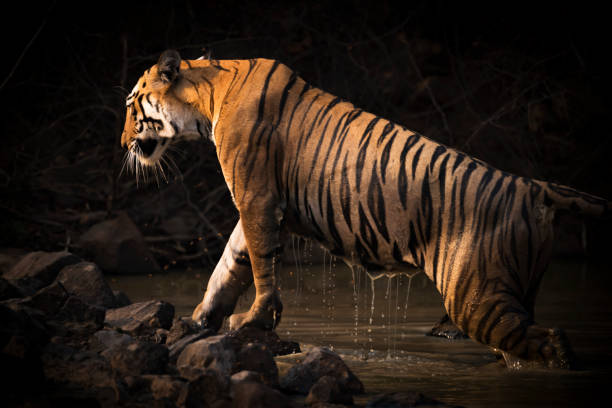
Most people believe that a safari is simply about driving through the forest and hoping a tiger appears. That is one of the biggest myths about wildlife tourism in India. A safari is not a zoo visit. It is stepping into an animal’s home, where every sound, footprint, alarm call and movement tells a story.
Once you understand this, your entire perspective changes.
Whether you are visiting Tadoba, Kanha, Bandhavgarh, Pench, Satpura, Ranthambore or Jim Corbett, these first-time safari tips will help you enjoy a richer, more meaningful wildlife experience.

1. Don’t Go Only for the Tiger—Go for the Complete Wildlife Experience
The biggest mistake first-time visitors make is believing that a safari is successful only if they see a tiger.
This expectation often leads to disappointment, even after spending hours inside one of India’s richest forests.
In reality, every safari is unique.
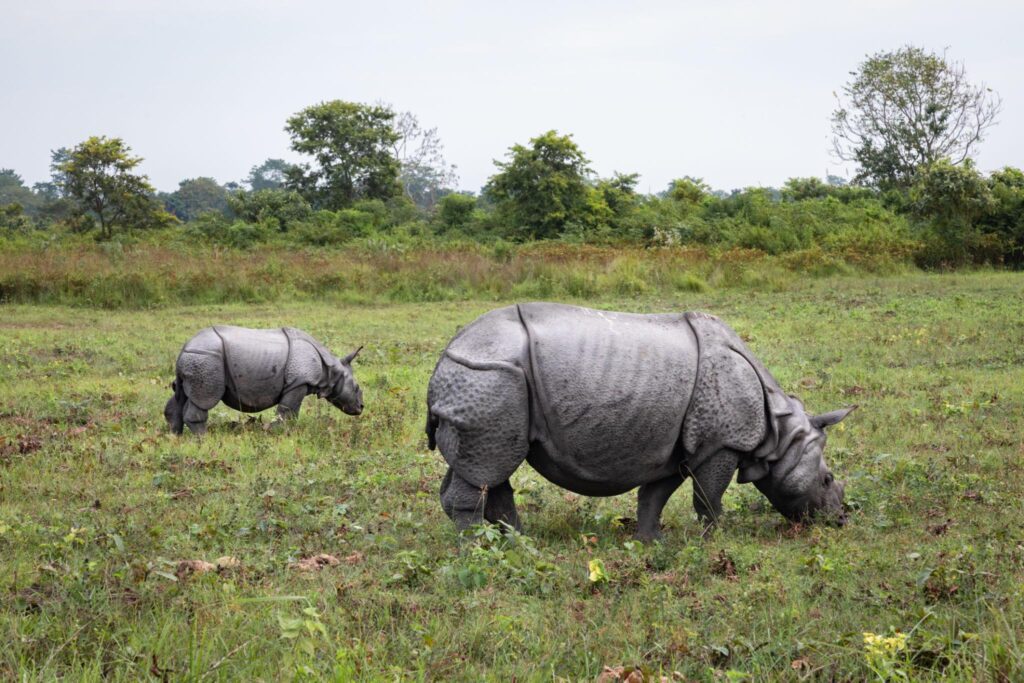
A leopard silently walking through bamboo, a sloth bear searching for termites, wild dogs hunting as a pack, giant squirrels jumping through trees or hundreds of spotted deer suddenly raising alarm calls can create moments just as thrilling as a tiger sighting.
The forests of India are living ecosystems, not tiger exhibition grounds.
Ironically, people who stop chasing only tigers often enjoy their safari much more—and many of them end up spotting one anyway.
2. Choose the Right National Park Based on Your Expectations
Not every national park offers the same safari experience.
Some forests are famous for tiger sightings, while others provide peaceful walking safaris, birdwatching, photography or scenic landscapes.
Before booking your wildlife safari in India, ask yourself:
- Do I want the best chance of seeing a tiger?
- Am I interested in birds and butterflies?
- Do I enjoy quiet forests instead of crowded safari routes?
- Is photography my main goal?
Choosing the right destination is often more important than choosing the most popular one.
Different parks create different memories.
3. Book Your Safari Well in Advance
One of the most common reasons people miss out on the best safari zones is late booking.
Popular tiger reserves in India often sell out weeks or even months before the travel date, especially during weekends, holidays and peak wildlife seasons.
Advance booking gives you better chances of getting:
- Premium safari zones
- Preferred safari timings
- Better accommodation options
- Less stressful travel planning
Good planning almost always creates a better wildlife experience.
4. Early Morning Safaris Usually Offer Better Wildlife Activity
Many first-time visitors avoid morning safaris because waking up early feels inconvenient.
But forests wake up before humans do.
The first few hours after sunrise are often filled with fresh animal movement, bird calls, cool temperatures and soft golden light that photographers love.
Predators also remain active during these hours before the afternoon heat sets in.
Even if you are not a photographer, witnessing the forest slowly come alive is an experience you will remember for years.
5. Silence Helps You See More Wildlife
It may sound surprising, but talking less often helps you observe more.
Animals hear far better than humans.
Loud conversations, sudden laughter and unnecessary movement can alert wildlife long before you even know they are nearby.
Instead of talking continuously, spend a few minutes simply listening.
You may hear:
- Deer giving alarm calls.
- Langurs warning each other.
- Peacocks calling loudly.
- Woodpeckers tapping on trees.
- Leaves rustling because an animal is moving nearby.
The forest constantly communicates with those willing to listen.
6. Dress for the Forest, Not for Instagram
Bright colours may look attractive in photographs, but they stand out sharply inside natural habitats.
Earthy colours like olive green, brown, beige, grey and dull green blend much better with the surroundings.
Comfort matters too.
Wear breathable clothing, comfortable shoes and carry a light jacket for early morning safaris during winter.
Looking like a part of the forest helps you enjoy the experience much more than dressing for social media pictures.
7. Carry the Right Essentials—but Travel Light
Packing too much often becomes uncomfortable during long safari drives.
Instead, carry only what genuinely improves your experience.
A small backpack with water, sunscreen, sunglasses, binoculars, camera batteries, a cap and a lightweight rain jacket during monsoon seasons is usually enough.
If photography is your priority, carry extra memory cards and batteries because charging facilities may not always be available between safaris.
Simple preparation prevents unnecessary stress.

8. Your Safari Guide Knows More Than Google
Many visitors spend the entire safari looking through their phones or searching online for wildlife information.
Meanwhile, they miss the incredible knowledge sitting right beside them.
Local naturalists and safari guides spend hundreds of days every year inside the forest.
They understand fresh pugmarks, alarm calls, animal behaviour, seasonal changes and hidden wildlife patterns that no website can teach.
Ask questions.
The more curious you are, the richer your safari becomes.
Often, the best stories are shared between sightings.
9. Patience Is the Secret Behind Every Great Safari
Wildlife does not appear on demand.
Some of the most magical sightings happen after long periods of waiting.
Many experienced wildlife photographers spend several safaris observing birds, insects, butterflies and landscapes before suddenly witnessing a spectacular tiger crossing or leopard encounter.
Patience is not wasted time.
It is part of the adventure.
When you stop expecting instant sightings, every sound and every movement inside the forest becomes exciting.
10. Leave the Forest Better Than You Found It
A wildlife safari is not entertainment alone.
It is also an opportunity to support conservation.
Avoid littering, never feed animals, stay inside your vehicle, respect park rules and appreciate the forest without disturbing it.
Responsible tourism helps protect India’s wildlife for future generations.
Every visitor has a role to play.
The best safari memories are created when people leave only tyre tracks and take home only photographs and stories.
The Real Secret Behind an Incredible Safari
Most people think the forest owes them a tiger.
The truth is exactly the opposite.
The forest owes us nothing.
Once you understand this, every safari becomes meaningful.
You begin noticing butterflies resting on leaves, giant wood spiders building massive webs, birds calling from hidden branches, fresh elephant footprints, colourful insects, mysterious fungi and countless stories unfolding every minute.
That is when a wildlife safari in India transforms from a sightseeing trip into a life-changing experience.
The best safaris are not measured by how many tigers you see.
They are measured by how deeply you connect with nature.
Planning Your First Wildlife Safari?
Whether you are dreaming of spotting a tiger, photographing wildlife, exploring India’s famous national parks or simply experiencing nature in its purest form, careful planning makes all the difference.
At Flying Hornbill, we help travellers experience India’s forests with expert guidance, carefully planned safaris and authentic wildlife experiences.
Book your safari: +91-9344813299
Email: [email protected]
Website: www.flyinghornbill.com
Free Wildlife Safari Planning Guide
Planning your first safari can feel overwhelming.
Comment “SAFARI GUIDE” and we’ll send you our FREE Beginner’s Wildlife Safari Planning PDF, covering:
- Best safari destinations in India
- What to pack
- Best safari seasons
- Photography tips
- Common mistakes first-time visitors should avoid

About Navaneeth Krishnan
Navaneeth Krishnan is a premier Travel Curation Expert with 14+ years of experience. Having partnered with top travel brands, he knows India’s tourist spots like the back of his hand, making him the trusted expert to design your next unforgettable, perfectly tailored tour.