Cicada Variant (BA.3.2): The Hidden Warning Nature Is Sending
When people hear about a new COVID variant like BA.3.2 — sometimes informally called the “Cicada variant” — the reaction is usually fear, confusion, or complete ignorance.
But what if this isn’t just a health story?
What if it’s a nature story?
Because every new mutation, every shift, every outbreak carries a deeper message. And if you care about a wildlife experience in India, this is something you cannot ignore.
Why It’s Called the “Cicada Variant”

The name “Cicada variant” is not official, but it tells an important story.
Cicadas are insects that stay hidden underground for years. Then suddenly, they emerge in large numbers.
The BA.3.2 variant behaved in a similar way.
It came from an older version of the virus that had almost disappeared. It stayed unnoticed for a long time. Then it reappeared in a new form.
That is why scientists and media started calling it the “Cicada variant.”
This is not just a name.
It is a pattern.
Nature often hides change before it reveals it.
The Truth About New COVID Variants (That No One Connects to Nature)
Variants like BA.3.2 don’t appear randomly. They evolve. They adapt.
This is the same principle seen in forests and ecosystems.
In nature:
- Species change when conditions change
- Balance breaks when systems are disturbed
- Survival depends on adaptation
So when people search for updates on COVID variants in India, they miss something important.
This is not just about a virus.
It is about how nature responds to pressure.
What Cicadas Teach Us About Survival
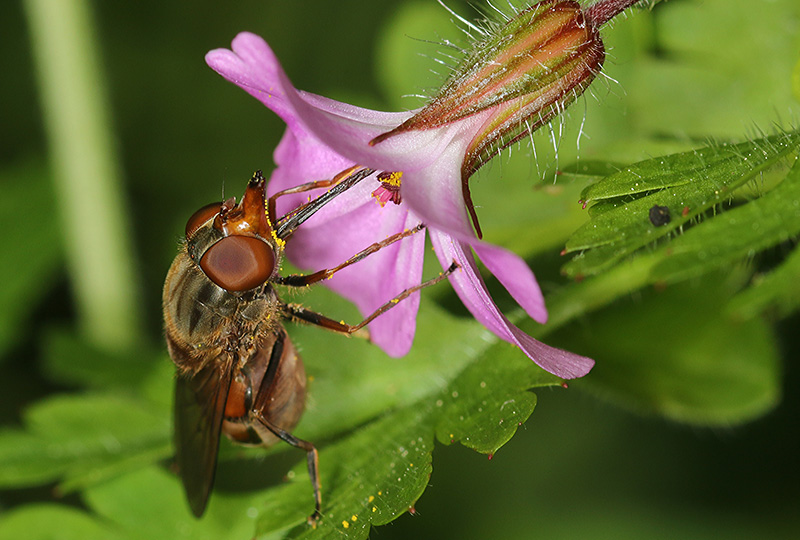
Photo Credit: Unsplash / Alamy
Cicadas don’t rush. They wait. They adapt. They emerge at the right moment.
This is exactly how systems survive.
And this is what we are seeing again — not just in viruses, but in ecosystems.
The Uncomfortable Reality: We Disturbed the Balance First
Here is the part most people avoid.
Outbreaks are not random events.
They are linked to:
- Deforestation
- Habitat destruction
- Closer human-wildlife contact
- Poorly managed tourism
If you are planning a wildlife safari in India, this matters more than you think.
Because how we travel affects what happens next.
Wildlife Tourism Is Not the Problem — But Your Approach Can Be

Photo Credit: Pexels / Shutterstock
There is a big difference between watching wildlife and disturbing wildlife.
Responsible travel improves ecosystems.
Irresponsible travel damages them.
This is where eco tourism in India becomes important.
Where You Stay Quietly Impacts Nature
Choosing the right stay is not just about comfort — it’s about creating a meaningful wildlife experience.
At Flying Hornbill, we go beyond just showing you options based on photos or pricing. We carefully guide you to stays that are strategically located near the right zones, follow responsible tourism practices, and offer better access to authentic forest activity.
Our goal is simple: not just to provide a place to stay, but to place you in an environment where you can truly connect with nature — without disturbing it.
When you choose the right stay, your entire journey transforms. It becomes more immersive, more responsible, and far more rewarding — exactly how wildlife travel is meant to be.
Book with Flying Hornbill — where your stay becomes a part of the experience.
How Flying Hornbill Helps You Experience Wildlife the Right Way
If you truly want to experience wildlife—and not just see it—then the way you plan your trip matters immensely. This is exactly where Flying Hornbill makes a real difference.
Instead of simply booking a basic safari, they guide you through every step—helping you understand where to go, when to go, and most importantly, how to explore the forest the right way. Moreover, from identifying bird-rich zones to planning safaris based on real-time animal movement, every detail is thoughtfully designed to enhance your experience.
Rather than focusing only on sightings, the approach is centered on helping you genuinely connect with the ecosystem. As a result, you don’t just visit the forest—you begin to understand it.
With the right guidance, therefore, your trip becomes more than just a getaway. It becomes more meaningful, more immersive, and ultimately, something you truly remember.
The Real Lesson From the “Cicada Variant”
This is not about fear.
It is about awareness.
Nature always gives signals:
- Species disappear
- Patterns change
- Systems respond
We just notice it too late.
The “Cicada variant” is a reminder that hidden changes are always happening.
And when they appear, they are already in motion.
Before Your Next Wildlife Trip, Think About This
Are you just visiting nature?
Or are you understanding it?
Because that decision changes everything.
Want a Responsible Wildlife Travel Plan? (Free Guide)
Comment “WILD” and get a FREE PDF with:
- Best eco-friendly stays
- Ethical safari booking strategy
- Wildlife travel mistakes to avoid
- Real India itinerary
Plan Your Wildlife Experience
📞 Book your safari: +91-9344813299
📧 Email: [email protected]
🌐 www.flyinghornbill.com

About Navaneeth Krishnan
Navaneeth Krishnan is a premier Travel Curation Expert with 14+ years of experience. Having partnered with top travel brands, he knows India’s tourist spots like the back of his hand, making him the trusted expert to design your next unforgettable, perfectly tailored tour.