How Tigers Survive in the Mangroves of Sundarbans
In most forests, tigers walk silently through grasslands, stalking prey and moving across stable land. But in Sundarbans National Park, survival looks completely different. Here, the forest itself is unstable. Land disappears with tides, water surrounds everything, and movement is never predictable.
This is what makes Sundarbans one of the most extreme and unique wildlife experiences in India. Tigers here are not just hunters. They are survivors of a constantly changing environment.
Living Between Land and Water
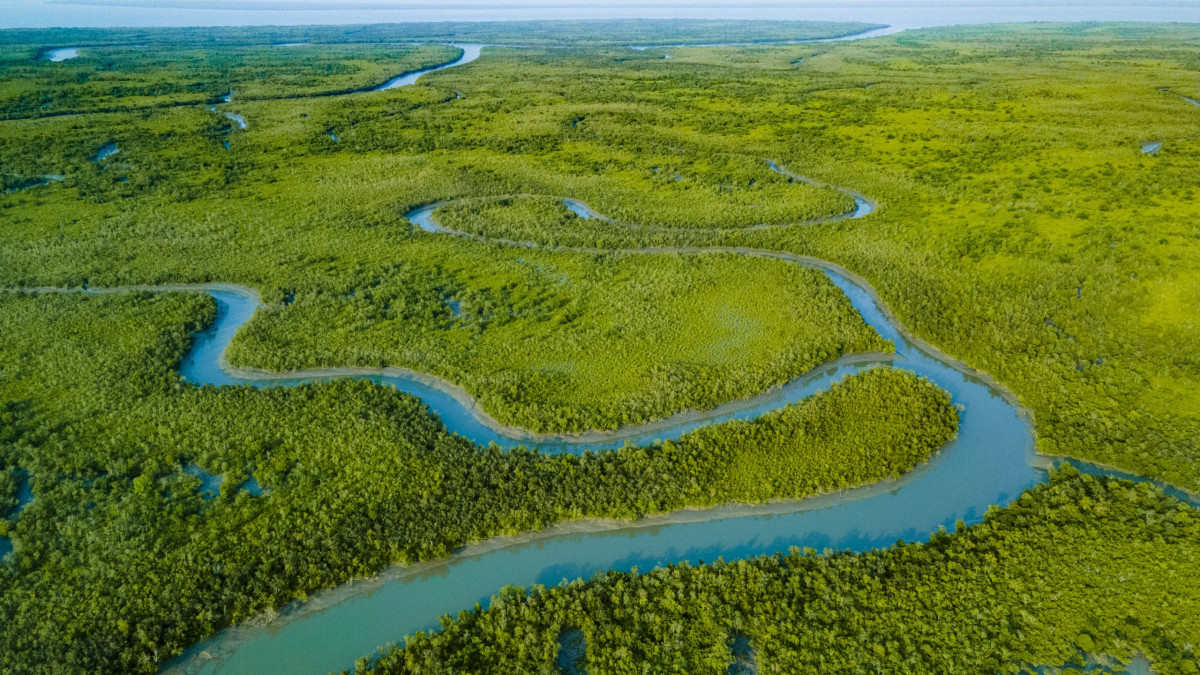
Photo Credit: UNESCO / Unsplash / India Tourism
The Sundarbans is not a fixed forest. It is a network of rivers, islands, and mangroves that change shape with the tides. What is land in the morning can be underwater by evening. This makes it difficult for animals to maintain stable territories.
Tigers here constantly move between islands in search of food and space. Their life is shaped by uncertainty. Every step they take depends on water levels, currents, and changing terrain. This constant adaptation is what defines their survival.
Why Sundarbans Tigers Are Powerful Swimmers

Photo Credit: National Geographic / WWF India
One of the most important adaptations of Sundarbans tigers is their ability to swim. Unlike tigers in other reserves, these tigers regularly cross wide rivers and strong tidal currents. Swimming is not a rare behavior for them. It is part of their daily life.
This allows them to expand their territory, escape danger, and even approach prey silently through water. In Sundarbans, water is not an obstacle. It is a survival tool.
Hunting in a Forest Where Nothing Is Stable
Hunting in Sundarbans is far more challenging than in open forests. The ground is muddy, movement is slow, and visibility is limited. Prey animals are alert and constantly moving through narrow channels and dense roots.
To adapt, tigers rely heavily on camouflage. The mangrove roots and shadows help them stay hidden until the right moment. In some cases, they even use water to approach prey silently, making their hunting style unique compared to other tiger reserves.
The Challenge of Saltwater and Harsh Conditions
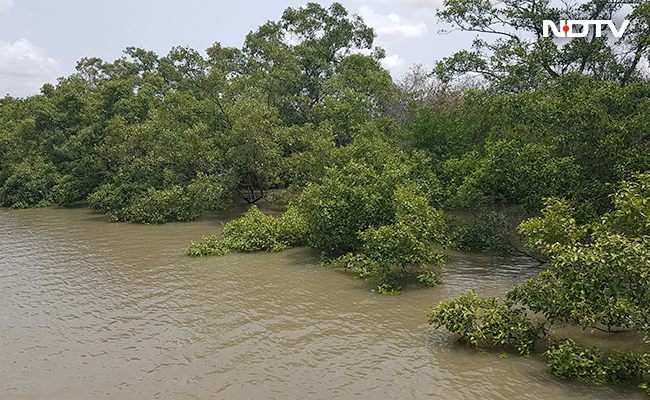
Another major challenge in Sundarbans is salinity. The water here is not fresh. High salt content affects both animals and vegetation. Finding drinking water becomes difficult, and prey availability is also influenced by these conditions.
Despite this, tigers have adapted to survive. Their bodies tolerate these harsh conditions better than most animals. Still, life here is not easy. It demands constant adjustment and resilience.
Why Human Interaction Is More Common Here
In Sundarbans, the distance between humans and wildlife is much smaller than in other reserves. Local communities depend on the forest for fishing, honey collection, and daily survival. This brings them closer to tiger habitats.
In a dense mangrove forest where visibility is low, encounters can happen suddenly. These situations are often misunderstood as aggression, but they are usually the result of proximity and limited escape space.
Why Tiger Sightings Are Rare but Powerful
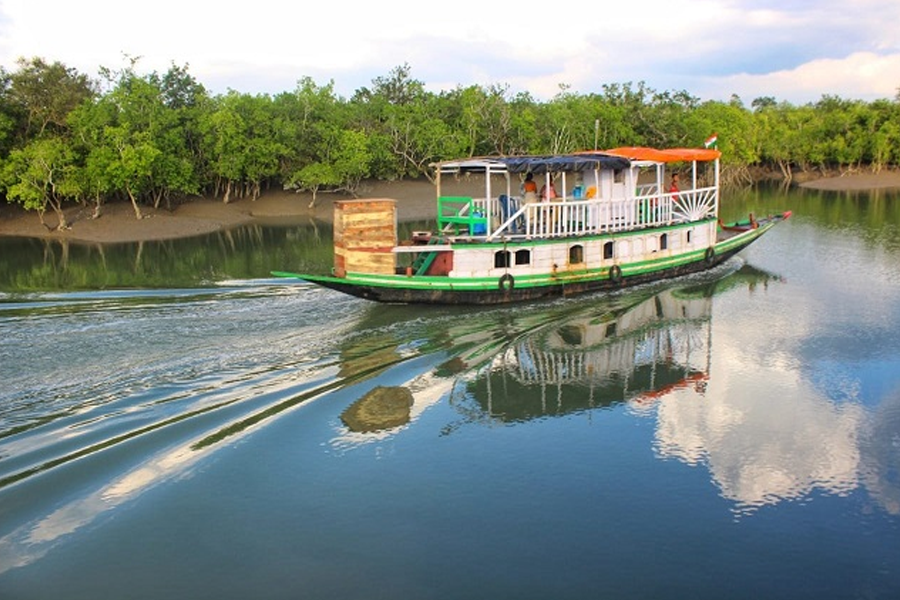
Photo Credit: West Bengal Tourism / TripAdvisor Travelers
Sundarbans safaris are very different from other tiger reserves. There are no jeep safaris here. Everything happens on boats, and the forest remains dense and hidden.
Because of this, tiger sightings are rare. But when they happen, they feel far more intense and real. You are not just seeing a tiger. You are witnessing survival in one of the toughest environments on Earth.
Planning Makes All the Difference
Most travelers explore options like Sundarbans tour packages from Kolkata, best Sundarbans boat safari experience, or eco resorts in Sundarbans mangrove forest through various platforms. While these platforms provide access to multiple choices, they rarely offer clarity on what truly works in Sundarbans. At Flying Hornbill, the focus is on curating your journey using local insights, seasonal conditions, and practical experience, ensuring your trip is thoughtfully planned rather than randomly selected.
The Real Meaning of Survival in Sundarbans
Tigers in Sundarbans do not just exist. They constantly adapt to survive in a world where land, water, and life are always changing.
This is what makes Sundarbans different from any other forest in India.
And this is why it offers one of the most raw and meaningful wildlife experiences in India.
Call To Action
Planning your Sundarbans trip?
Comment “MANGROVE” and get a free PDF:
Sundarbans Travel & Safari Guide (Routes + Stay + Experience Strategy)
Or connect directly:
📞 Book your safari: +91-9344813299
📧 Email: [email protected]
🌐 www.flyinghornbill.com

About Navaneeth Krishnan
Navaneeth Krishnan is a premier Travel Curation Expert with 14+ years of experience. Having partnered with top travel brands, he knows India’s tourist spots like the back of his hand, making him the trusted expert to design your next unforgettable, perfectly tailored tour.