Why You Might NOT See a Tiger in Corbett (And Why That’s a Good Thing)
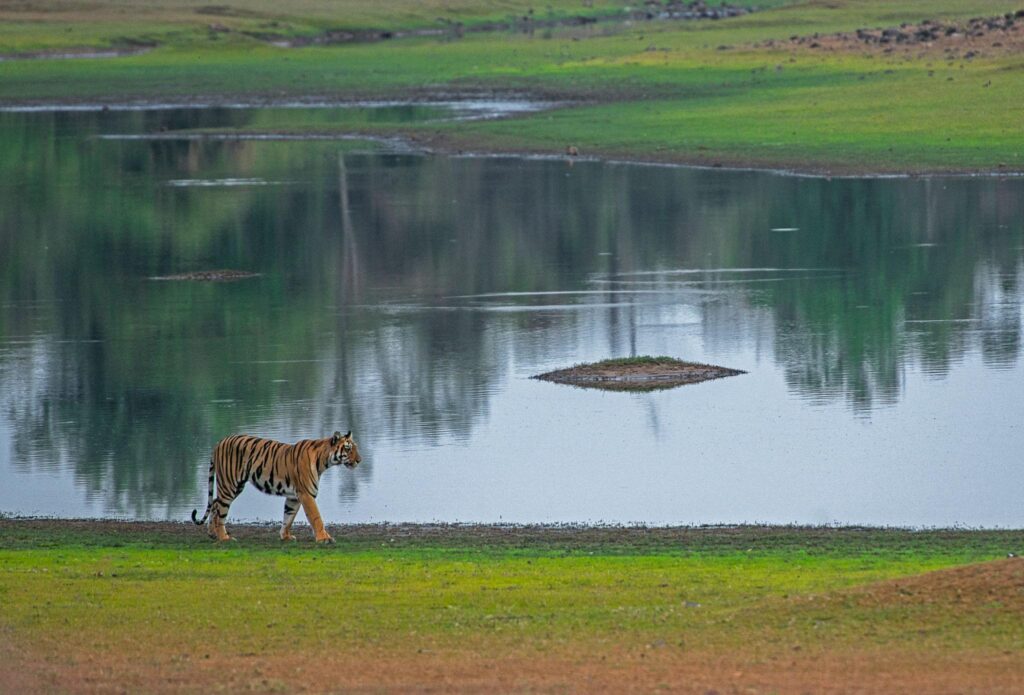
You book a Corbett safari experience, wake up before sunrise, sit in a jeep for hours, and return without seeing a tiger.
Most people feel disappointed at this point.
But here is the truth that most travel blogs will not tell you:
Not seeing a tiger in Jim Corbett National Park does not mean your safari failed. In many cases, it means the forest is still functioning the way it should.
This shift in understanding is what separates a tourist from someone who truly experiences wildlife.
The Biggest Myth About Tiger Safari in India
People searching for a tiger safari India often type queries like:
- best time to visit Corbett National Park for tiger sighting
- Corbett National Park safari booking
- Corbett safari zones tiger sighting chances
These searches come from one expectation: a safari is successful only if a tiger is seen.
This idea is not only incorrect, it reduces a complex ecosystem into a single moment of entertainment. A forest is not designed to perform on demand.
What a Real Forest Looks Like (Not a Zoo)

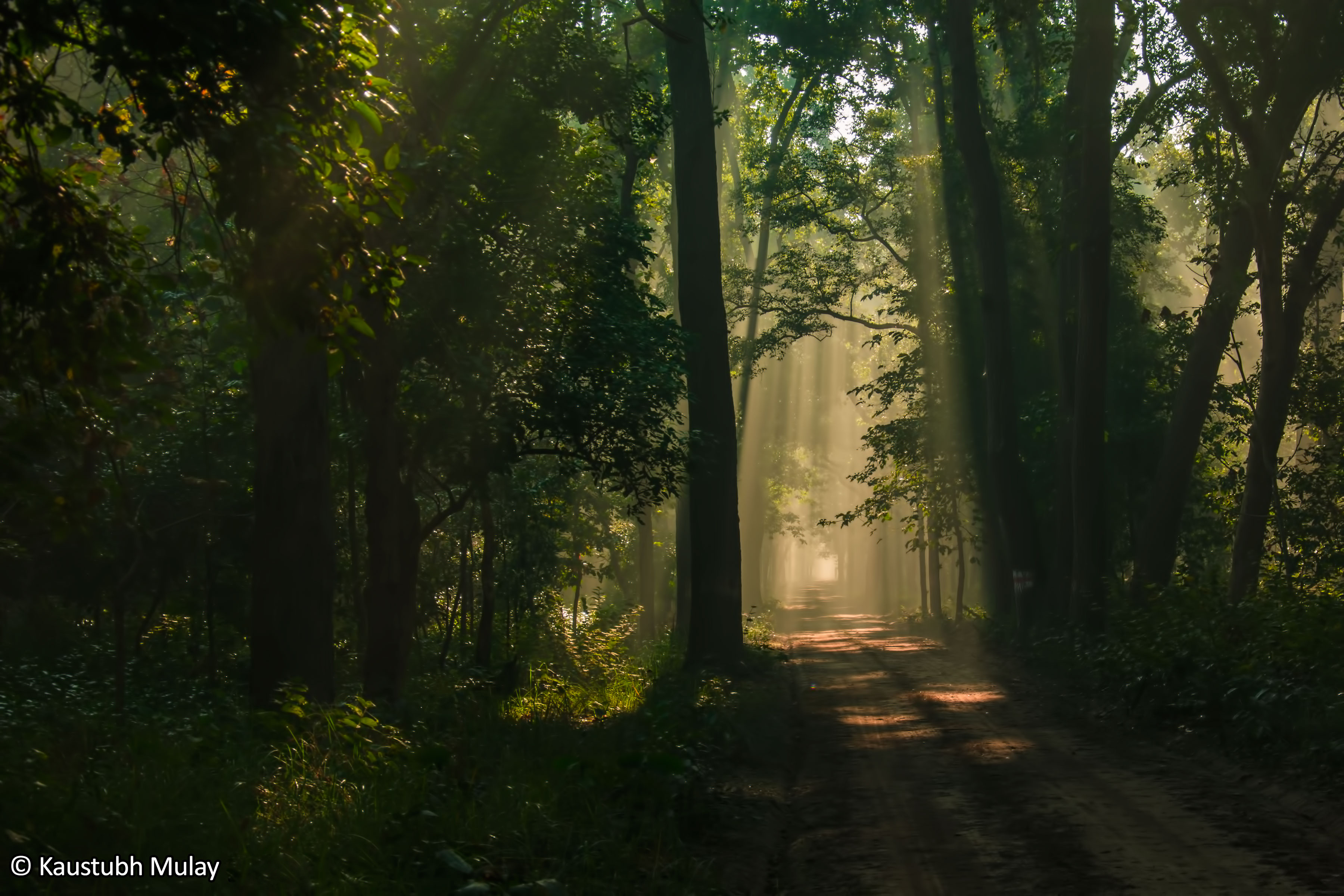
Photo Credit: Pexels (Forest Photography Collection)
In a real forest:
- Animals avoid human presence
- Tigers do not follow fixed routes
- Sightings are unpredictable
A tiger in Corbett can occupy a territory that ranges between 20 to 100 square kilometers. A jeep safari covers only a small fraction of this space in a few hours.
This is why even the best wildlife safari in India cannot guarantee sightings.
And that is precisely what keeps the ecosystem authentic.
The Shift: From Seeing Wildlife to Understanding It
Photo Credit: Wikimedia Commons / Government Forest Archives
During a well-guided Corbett safari experience, you may observe:
- Fresh pugmarks on the track
- Alarm calls from deer or langurs
- Sudden silence in the forest
- Birds reacting to movement
These are not random events. They are signals that a predator may be nearby.
Understanding these signs creates a deeper and more engaging wildlife experience than simply spotting an animal for a few seconds.
Why Not Seeing a Tiger Can Be a Positive Sign
At first, this may seem counterintuitive.
However, frequent and easy sightings can sometimes indicate ecological stress.
If sightings become too predictable:
- Wildlife may be getting habituated to humans
- Safari pressure might be increasing
- Natural behavior could be disturbed
A forest where sightings require patience often reflects:
- Natural predator movement
- Lower human interference
- A healthier ecological balance
This is the kind of environment that conservation efforts aim to protect.
Choosing the Right Safari Experience
Planning plays an important role in shaping your experience.
Instead of focusing only on tiger probability, consider:
- selecting the best safari zones in Corbett National Park
- booking through reliable platforms for Corbett jeep safari booking
- choosing experienced naturalist guides
- opting for smaller, more focused guided wildlife tours in Corbett
These are natural points where readers often explore curated safari experiences listed on platforms like GetYourGuide, TripAdvisor, or Kayak.
Book your Tour: +91-9344813299
Email: [email protected]
Website: www.flyinghornbill.com
Where You Stay Matters More Than You Think
Your stay influences how connected you feel to the forest.
Instead of generic hotels, consider:
- jungle resorts in Corbett National Park
- eco-friendly stays near Corbett
- luxury wildlife resorts in Uttarakhand
Popular options include Aahana Resort, Namah Resort, and Taj Corbett Resort & Spa.
These properties are widely available across Agoda, Booking.com, Expedia, Hotels.com, and Vrbo, making it easy to compare stays and experiences in one place.
Beyond Tigers: What Most Visitors Miss
Photo Credit: Unsplash Wildlife Photographers
Corbett is often reduced to one species, but the park supports a vast range of life.
Visitors often overlook:
- over 600 species of birds
- elephants and otters
- reptiles such as gharials
- insects and pollinators that sustain the ecosystem
When attention is limited to a single animal, the larger ecological story is missed.
The Real Problem Is Expectation, Not the Forest
The discomfort most visitors feel after a safari does not come from the forest. It comes from expectation.
Modern travel behavior often expects:
- instant results
- guaranteed outcomes
- controlled experiences
A forest operates differently. It is unpredictable and independent of human plans.
Understanding this removes frustration and replaces it with curiosity.
Plan Your Safari the Right Way
If your goal is to improve your overall experience:
Book your safari: +91-9344813299
Email: [email protected]
Website: www.flyinghornbill.com
A knowledgeable guide will help you interpret the forest rather than just search for animals.
Final Perspective: What a Safari Should Really Feel Like
A meaningful Corbett safari experience is not defined by a single sighting.
It is defined by:
- awareness of the ecosystem
- understanding animal behavior
- observing subtle interactions in nature
When this shift happens, the forest becomes an experience rather than a checklist.
Call to Action
If this changed how you think about wildlife safaris, comment the word “FOREST”.
You will receive a detailed guide on how to experience a jungle safari with the mindset of a naturalist.

About Navaneeth Krishnan
Navaneeth Krishnan is a premier Travel Curation Expert with 14+ years of experience. Having partnered with top travel brands, he knows India’s tourist spots like the back of his hand, making him the trusted expert to design your next unforgettable, perfectly tailored tour.