How to Increase Your Chances of Seeing a Tiger in Tadoba (2026)
For most people planning a Tadoba Tiger Safari, there is one question that comes up again and again: “Will I get to see a tiger?” It is an understandable question because Tadoba-Andhari Tiger Reserve is one of India’s most celebrated wildlife destinations and is known for its healthy tiger population.
However, there is one important truth that every wildlife enthusiast should understand before entering the forest—there is no such thing as a guaranteed tiger sighting. Tigers are wild animals, not performers. Their movements depend on territory, weather, prey availability, and countless natural factors. This uncertainty is exactly what makes a wildlife safari in India so exciting.
The good news is that while nobody can promise a sighting, there are several ways to increase your chances of seeing a tiger in Tadoba. After years of observing wildlife and leading nature experiences, these are the practical tips that can help you make the most of your safari.
Spend More Than One Day in Tadoba
One of the biggest mistakes visitors make is booking only a single safari. Wildlife sightings are unpredictable, and every safari is different. A tiger that was resting deep inside the forest in the morning may walk along a forest track in the evening.
If your schedule allows, plan at least three to four safaris over two or three days. This not only increases your chances of spotting a tiger but also allows you to experience different parts of the reserve and observe changing wildlife behaviour.
Interestingly, many experienced photographers spend an entire week in Tadoba because they know that patience is often rewarded with unforgettable moments.
Visit During the Right Season
Tadoba is beautiful throughout the year, but each season offers a different experience.
During the summer months (March to June), the forest becomes drier, vegetation is sparse, and animals frequently visit waterholes. Tigers are often seen resting near water or walking along open tracks, making this the best season for tiger sightings.
The winter season (October to February) offers pleasant weather, lush landscapes, and excellent opportunities for birdwatching. While tiger sightings remain possible, the dense vegetation can sometimes make them harder to spot.
The monsoon season transforms the landscape into a vibrant green paradise, although the core tourism zones usually remain closed. Buffer zones and nearby forests still offer rewarding nature experiences.
Choosing the right season based on your interests can significantly improve your safari experience.
Choose the Right Safari Zone
Tadoba Tiger Reserve has several safari gates, including Moharli, Kolara, Navegaon, Pangdi, Zari, Adegaon, Junona, and Alizanza. Each zone has its own landscape, water sources, and resident wildlife.
Instead of visiting the same gate every time, consider exploring different zones during your stay. Since tigers have individual territories, changing safari zones increases the variety of habitats you experience and improves your chances of encountering different wildlife.
Your safari operator can help recommend the most suitable zones based on recent wildlife movement and seasonal conditions.
Morning and Evening Safaris Are Different
Many first-time visitors assume that one safari is enough, but morning and evening safaris often produce completely different experiences.
Early mornings are filled with fresh pugmarks, bird activity, cool temperatures, and predators returning after a night of hunting. The golden light also makes it one of the best times for wildlife photography.
Evening safaris reveal another side of the forest. As temperatures drop, herbivores become more active, birds return to roost, and predators begin moving again before darkness falls.
Experiencing both safaris gives you a much better understanding of Tadoba’s incredible ecosystem.
Listen to the Forest
One of the most fascinating parts of a Tadoba Tiger Safari is learning how the forest communicates.
A tiger rarely appears without warning.
Spotted deer may suddenly stop grazing and stare into the bushes. Langurs begin giving loud alarm calls from the trees. Peacocks call repeatedly, while sambar deer produce deep warning sounds that echo through the forest.
Experienced guides carefully observe these natural signals to understand where predators may be moving.
Instead of constantly searching with your eyes, spend some time simply listening. Often, the forest tells you much more than it shows you.
Trust Your Naturalist and Guide
A knowledgeable naturalist can completely transform your safari experience.
They understand animal behaviour, identify alarm calls, recognise fresh tracks, and interpret signs that most visitors would easily overlook.
Rather than focusing only on finding a tiger, ask questions about birds, butterflies, trees, insects, and animal behaviour. The more you understand the forest, the richer your experience becomes.
Sometimes the most memorable safari isn’t the one with the closest tiger sighting—it is the one where you learn how the jungle truly works.
Be Patient
Wildlife photography and safari tourism have made many people expect instant sightings. In reality, nature works at its own pace.
There may be moments when your safari vehicle waits silently near a forest road for twenty minutes because fresh pugmarks suggest a tiger could return.
These quiet moments are not wasted time.
They are part of the adventure.
Many unforgettable sightings happen simply because visitors were willing to wait instead of rushing through the forest.
Don’t Ignore the Rest of the Wildlife
Visitors often become so focused on tigers that they overlook everything else.
Tadoba is home to leopards, sloth bears, Indian gaurs, wild dogs, jackals, crocodiles, over 280 bird species, butterflies, reptiles, and countless smaller creatures.
Some visitors leave without seeing a tiger but still describe their safari as unforgettable because they watched a pack of dholes hunting, a sloth bear searching for termites, or a giant crested serpent eagle soaring above the forest.
The beauty of Tadoba lies in its complete ecosystem, not just one magnificent animal.
Respect Wildlife and Enjoy the Experience
A successful safari is not measured by the number of tiger photographs on your camera.
It is measured by the memories you create.
Maintain silence inside the vehicle, avoid sudden movements, never ask your guide to chase animals, and always respect forest rules.
Remember, you are entering the home of wild animals. The privilege of observing them comes with the responsibility of protecting their space.
When you approach the forest with patience and respect, every safari becomes rewarding—whether you see a tiger or not.
Final Thoughts
If your goal is simply to tick a tiger off your travel list, you may miss the true magic of Tadoba.
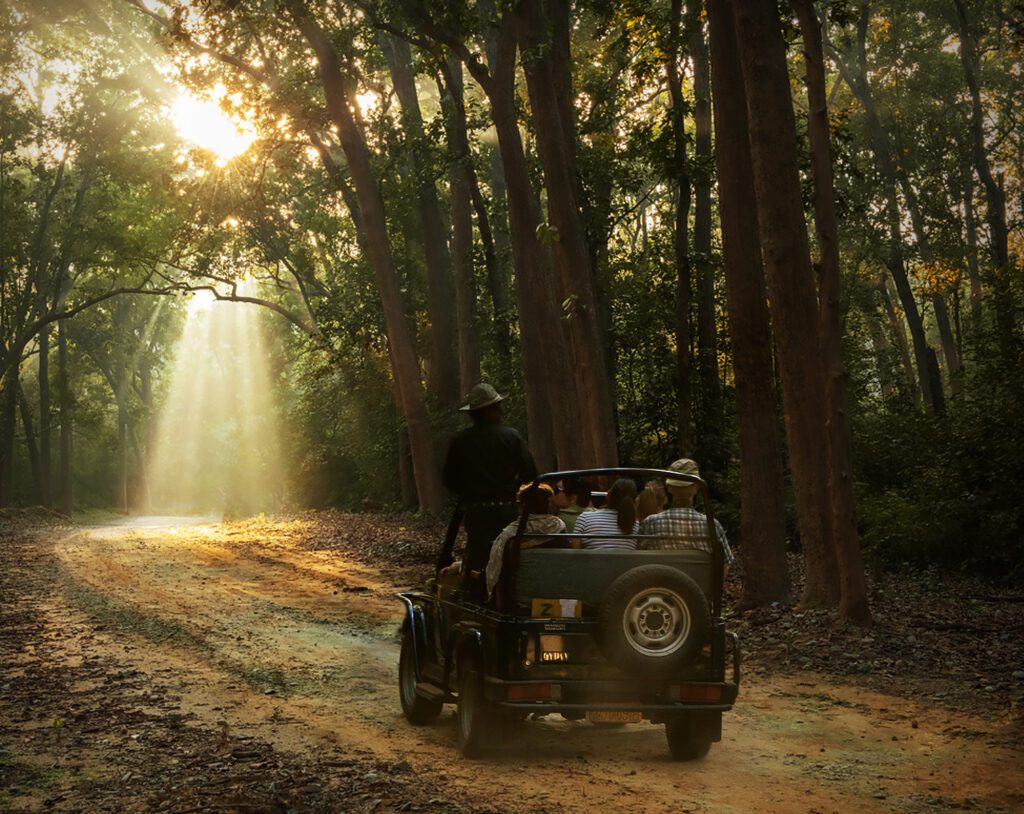
Instead, enter the forest with curiosity. Watch the changing light filtering through teak trees, listen to alarm calls, observe butterflies dancing around wildflowers, and appreciate every species that makes this landscape so extraordinary.
Ironically, visitors who stop obsessing over tiger sightings often enjoy the best safari experiences.
And when a tiger finally steps onto the forest road, the moment becomes even more special because you understand the incredible journey that led to that encounter.
Whether you are planning your first safari or returning for another adventure, Tadoba has a unique way of surprising every visitor.
Ready to experience the wild?
Book your Tadoba Tiger Safari with Flying Hornbill.
Book your safari: +91-9344813299
Email: [email protected]
Website: www.flyinghornbill.com
The forest is waiting, and every safari writes a different story.

About Navaneeth Krishnan
Navaneeth Krishnan is a premier Travel Curation Expert with 14+ years of experience. Having partnered with top travel brands, he knows India’s tourist spots like the back of his hand, making him the trusted expert to design your next unforgettable, perfectly tailored tour.