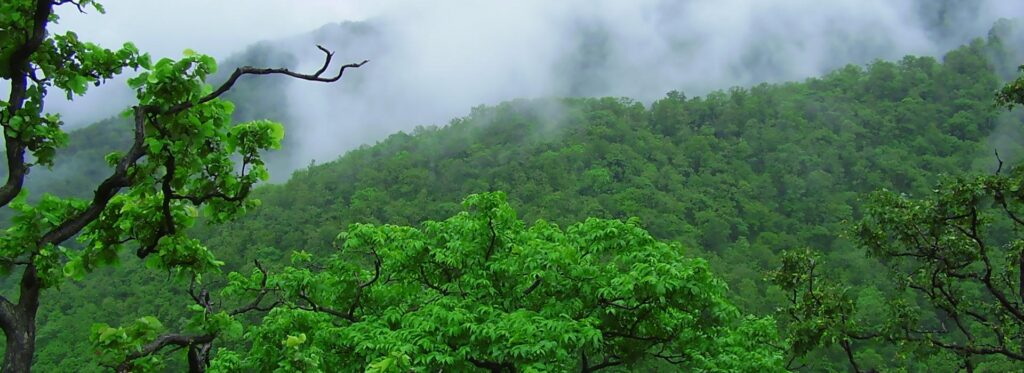
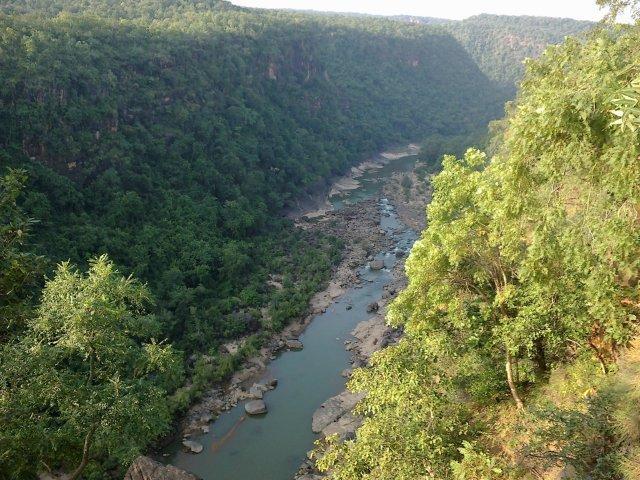
The Satpura Secret: Why You Might Not See a Tiger

Photo Credit: Wildlife photographers / Wikimedia Commons
Let’s start with something most safari operators won’t tell you.
You might not see a tiger in Satpura.
And that could be the best thing about your entire trip.
Because the moment you stop chasing the tiger, you finally start seeing the forest.
The Obsession That Is Ruining Wildlife Safari in India
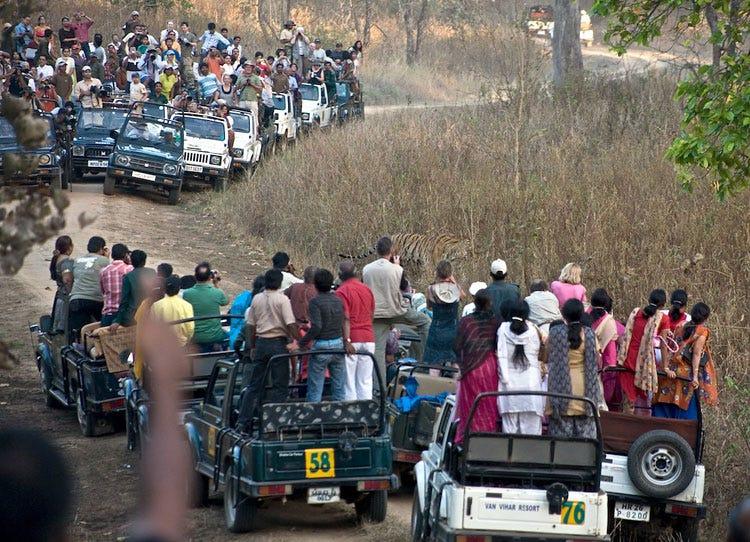
Photo Credit: Travel documentation / conservation discussions
Somewhere along the way, a wildlife safari in India became a race.
A race to spot the tiger first.
A race to get the closest photo.
A race to prove the safari was “successful.”
And because of that, something important was lost.
The forest itself.
In places where sightings are guaranteed, wildlife often adjusts its behavior. Movement patterns change. Silence disappears.
But Satpura chose a different path.
Why Not Seeing a Tiger Can Mean a Healthier Forest
In a truly wild forest, predators are not easy to find.
They are not meant to be.
Tigers are territorial, silent, and highly aware. If they are easily visible all the time, it usually means the ecosystem is under pressure.
In Satpura:
- prey species move naturally
- predators stay elusive
- human disturbance is lower
This is what a real tiger safari in India should feel like.
Not guaranteed sightings—but genuine wilderness.
What You Start Seeing When You Stop Looking for Tigers
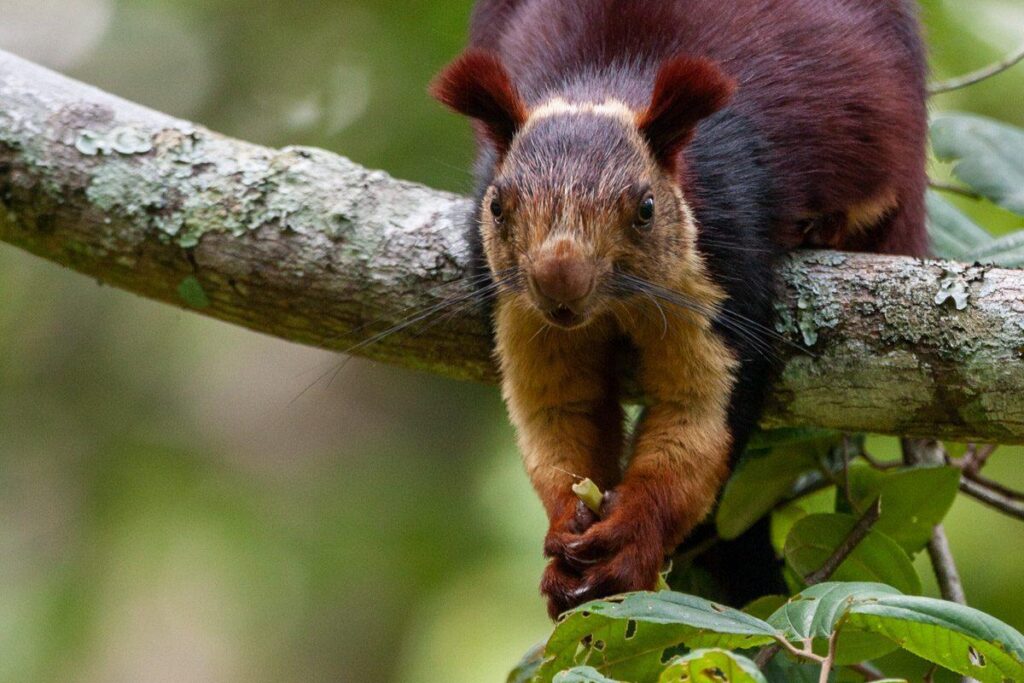
Photo Credit: Field photographers / biodiversity archives
The moment you let go of expectations, your entire experience changes.
You begin to notice:
- the rhythm of bird calls in the canopy
- the sudden stillness before a predator moves
- butterflies gathering in moist patches
- langurs acting as early warning systems
This is when a wildlife safari in India becomes something deeper.
It becomes understanding.
The Forest Does Not Exist for Your Sightings
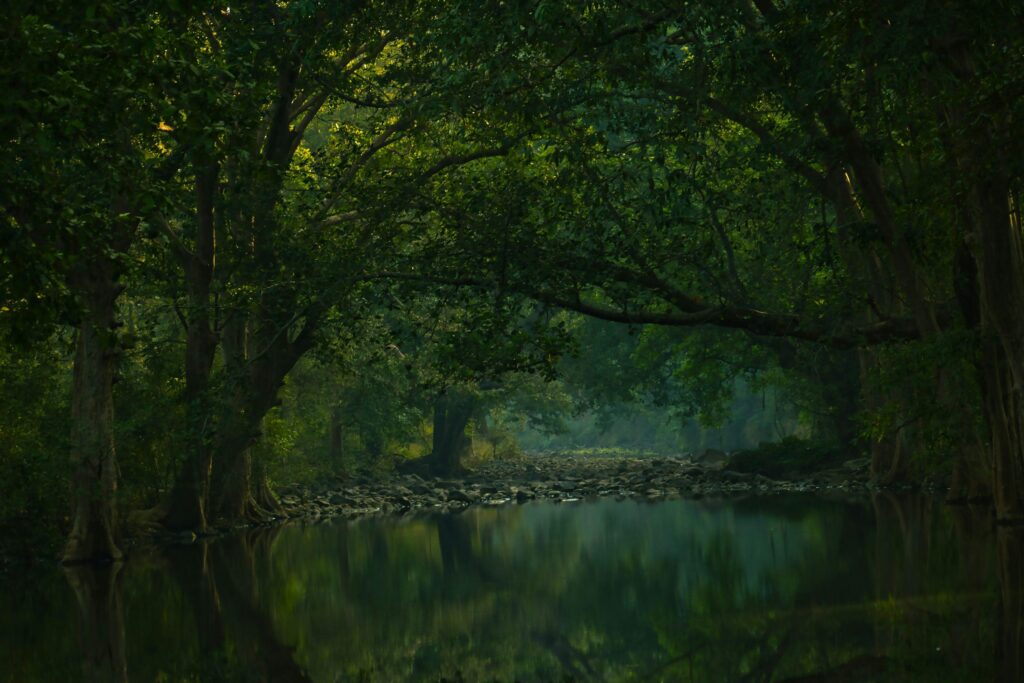
Photo Credit: Unsplash / nature photographers
This may sound harsh, but it needs to be said.
The forest is not here to entertain you.
It does not owe you a tiger sighting.
And once you accept that, something shifts.
You stop demanding.
You start observing.
You begin to respect the space you are in.
That is when Satpura reveals itself.
A Better Way to Experience a Wildlife Safari in India
If you truly want to experience Satpura:
- choose slower safaris over rushed ones
- spend time walking inside the forest
- try canoe safaris where silence becomes your guide
- observe patterns, not just animals
This is how you turn a simple wildlife safari in India into something unforgettable.
Why Satpura Is Not for Everyone — And That’s Its Strength
Satpura does not promise.
It does not perform.
It does not try to impress.
And because of that, it filters the right kind of travelers.
The ones who are willing to wait.
The ones who are willing to learn.
The ones who are willing to see beyond the obvious.
How to Plan a Real Satpura Safari Experience
If you want to do this right:
- don’t measure success by sightings
- spend at least 3–4 days
- mix walking, jeep, and canoe safaris
- stay present instead of chasing moments
For curated safari experiences:
📞 Book your safari: +91-9344813299
📧 Email: [email protected]
🌐 www.flyinghornbill.com
Final Thought: The Tiger Was Never the Point
The tiger is powerful. Rare. Iconic.
But it was never the whole story.
Satpura teaches you that the forest is not about one species.
It is about relationships, balance, and silence.
And once you understand that, you realise something simple:
Not seeing the tiger did not make your safari incomplete.
It made it real.
Call to Action
If you want a realistic Satpura safari planning guide (what to expect, mindset, best strategy), comment:
REAL SAFARI
and I’ll send you the full guide.

About Navaneeth Krishnan
Navaneeth Krishnan is a premier Travel Curation Expert with 14+ years of experience. Having partnered with top travel brands, he knows India’s tourist spots like the back of his hand, making him the trusted expert to design your next unforgettable, perfectly tailored tour.