Wildlife Corridors in Satpura: Why They Matter More Than Tigers

Photo Credit: Conservation photographers / landscape archives
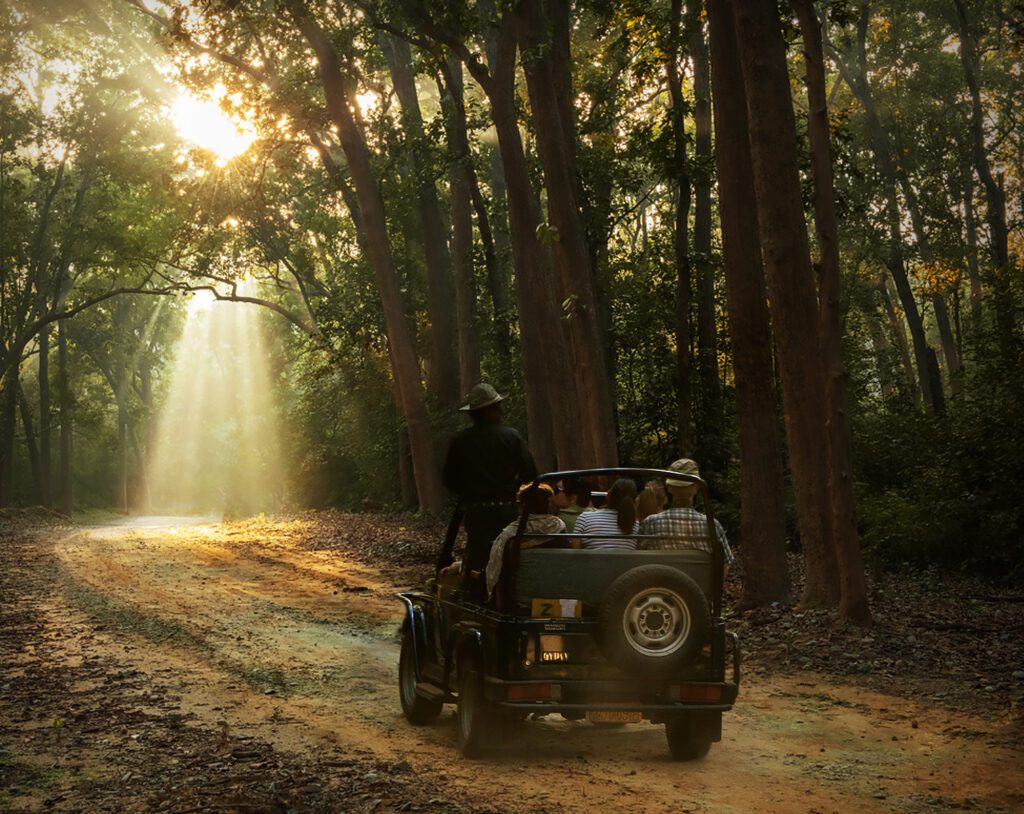
When people think of a wildlife safari in India, they imagine animals inside a protected boundary.
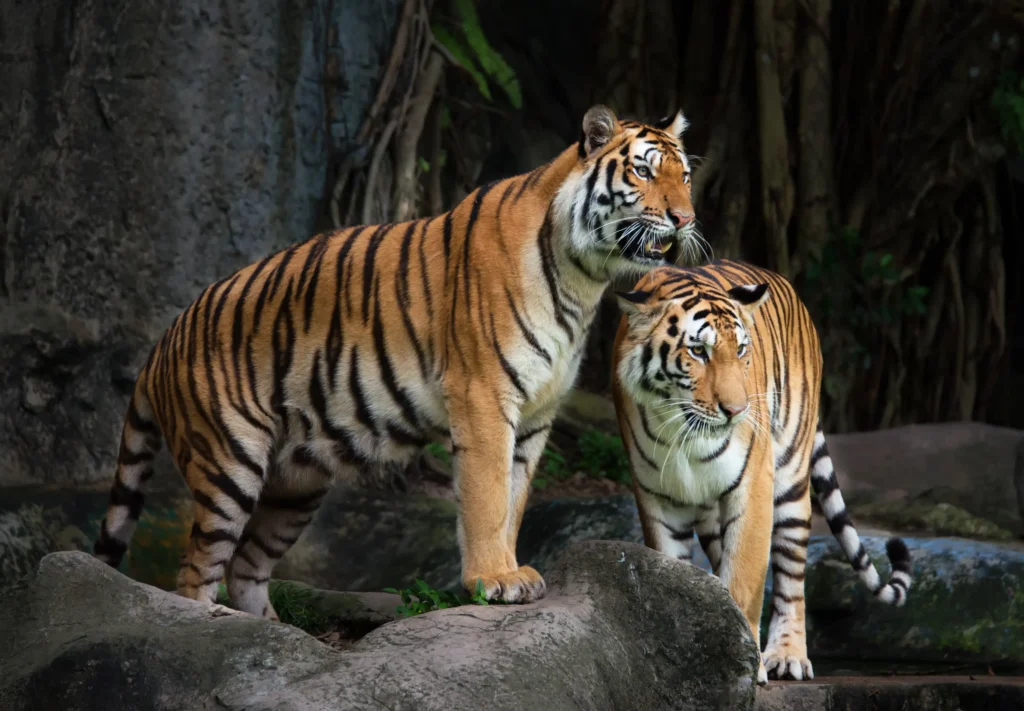
A tiger inside a reserve.
A forest inside a map.
However, the truth is far more complex.
The forest does not end where the map ends.
And neither do the animals.
The Invisible Paths That Keep the Forest Alive
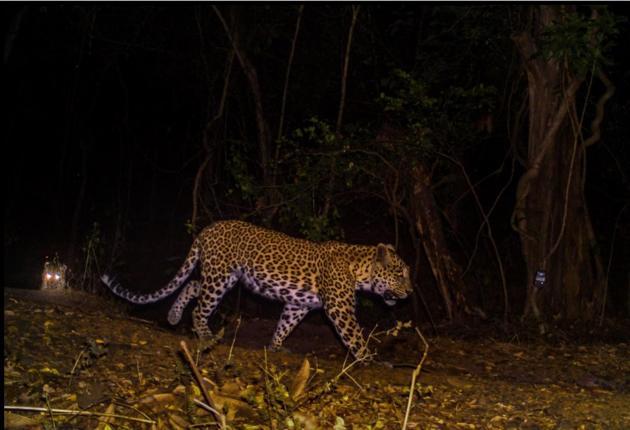
Photo Credit: Camera trap archives / conservation research teams
Across Satpura, there are invisible pathways.
Animals move through them silently. They connect forests that look separate on paper.
These are called wildlife corridors.
Although you may not see them directly, they are essential. Without them, forests become isolated. Over time, isolation weakens ecosystems.
Therefore, a wildlife safari in India is not just about what you see inside a reserve—it is about what moves beyond it.
Why Tigers Need More Than a Tiger Reserve
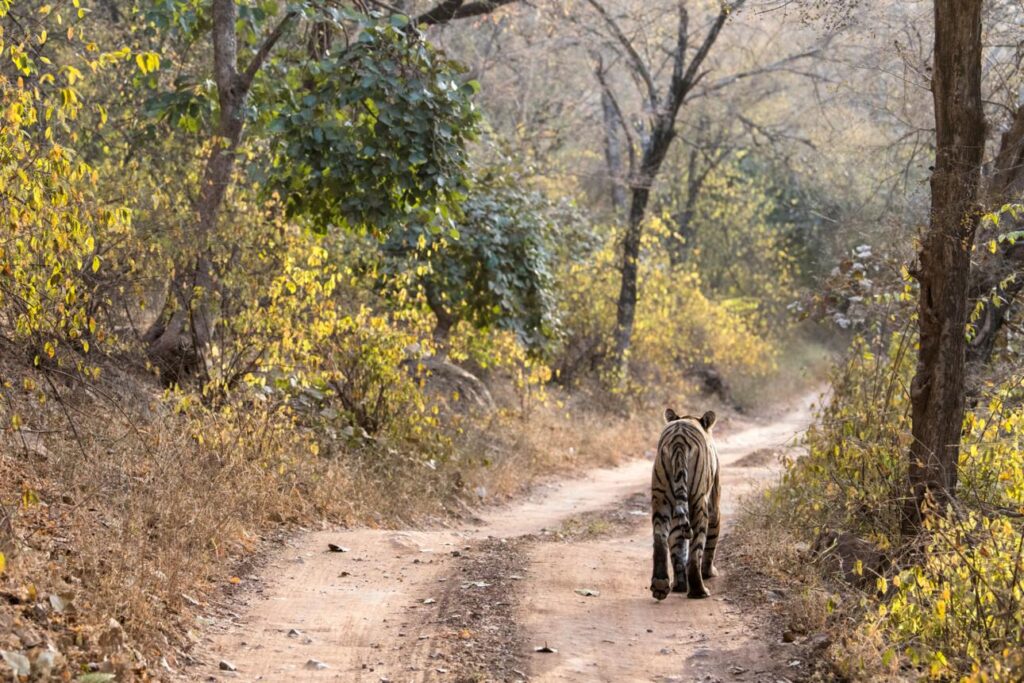
Photo Credit: Wildlife photographers / conservation archives
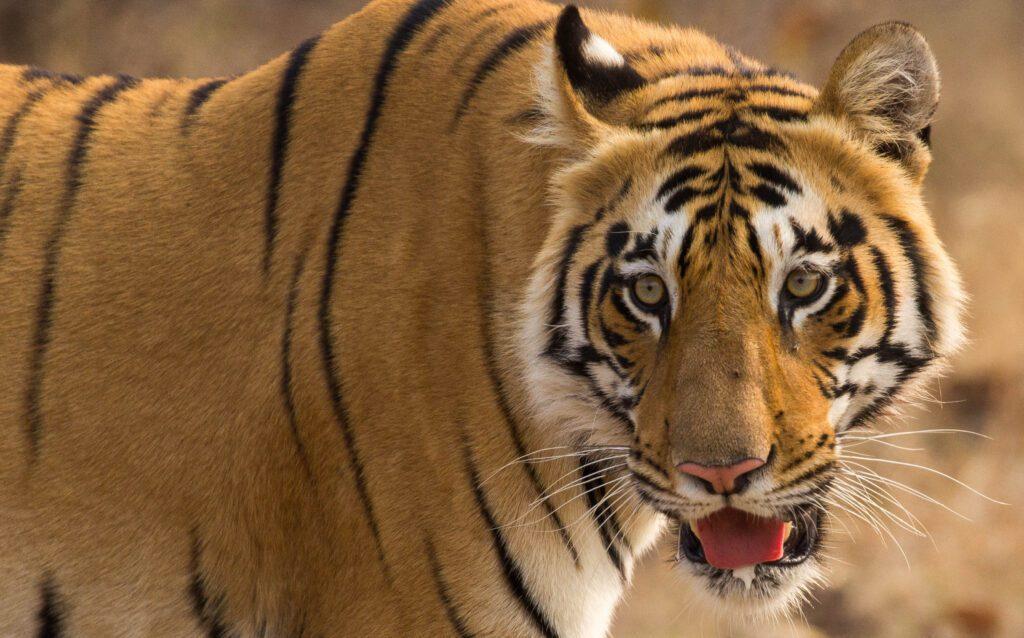
A single tiger needs a large territory.
It hunts, mates, and moves across vast distances. Because of this, one protected area is never enough.
If corridors are broken:
- genetic diversity decreases
- conflicts with humans increase
- survival becomes harder
So, while people focus on tiger numbers, the real question should be:
Can the tiger move freely?
The Mistake Most Wildlife Tourism Makes
Most tourism focuses on the core area.
However, what happens outside the core is equally important.
Roads, farms, and expanding settlements slowly break these corridors.
As a result, forests become islands.
And once that happens, even the best wildlife safari in India cannot show you a complete ecosystem.
Satpura Landscape: A Connected System, Not Just a Park
Satpura is not isolated.
It is part of a much larger landscape that connects with forests like Pachmarhi and beyond.
This connectivity allows:
- species movement
- seasonal migration
- genetic exchange
Because of this, Satpura remains one of the most ecologically important regions for a wildlife safari in India.
What You Can Actually Do as a Traveler
At first, it may feel like this is beyond your control.
But your choices matter.
You can:
- support responsible tourism operators
- choose experiences that focus on ecosystems, not just sightings
- learn about landscapes, not just species
Because awareness changes behavior.
And behavior shapes conservation.
Why This Changes How You See a Wildlife Safari in India
Once you understand corridors, your perspective shifts.
You stop seeing a tiger as a single moment.
Instead, you see a system that supports it.
You begin to ask different questions.
Not “Where is the tiger?”
But “Where did it come from?”
And “Where will it go next?”
That is when your wildlife safari in India becomes meaningful.
How to Experience Satpura Beyond Sightings
To experience this deeper layer:
- observe patterns, not just animals
- talk to guides about movement and landscape
- notice transitions between forest types
- pay attention to edges and boundaries
These details reveal the hidden connections most people ignore.
For curated, conservation-focused safari experiences:
📞 Book your safari: +91-9344813299
📧 Email: [email protected]
🌐 www.flyinghornbill.com
Final Thought: The Forest Is Bigger Than You Think
Satpura is not just a destination.
It is part of a living network.
And once you understand that, something changes.
Because now, the forest is no longer a place you visit.
It becomes something you begin to understand.
Call to Action
If you want a simple guide to wildlife corridors and how they impact your safari experience, comment:
CORRIDOR GUIDE
and I’ll share a beginner-friendly breakdown.

About Navaneeth Krishnan
Navaneeth Krishnan is a premier Travel Curation Expert with 14+ years of experience. Having partnered with top travel brands, he knows India’s tourist spots like the back of his hand, making him the trusted expert to design your next unforgettable, perfectly tailored tour.