How to Identify a Tiger in Ranthambore (T-Name System Explained)
Most people who visit Ranthambore National Park come back saying they “saw a tiger.” But in reality, they only saw a moment, not the animal itself. They don’t know which tiger it was, where it came from, or why it was there.
This is where the real difference begins. A true wildlife experience in India is not about spotting a tiger. It is about recognizing it. When you start identifying individual tigers, your entire safari changes from a random event into a meaningful story.
Understanding the T-Name System in Ranthambore
The T-name system is the basic way tigers are identified in Ranthambore. Every tiger is given a number such as T-16, T-19, or T-84, where “T” simply stands for tiger. These numbers are assigned when the tiger is officially recorded in the park.
For example, the famous tigress Machli was known as T-16. But the number alone does not make the tiger recognizable. It is only a reference point. The real identification comes from observing the tiger’s physical features and behavior over time.
Why Every Tiger Looks Unique
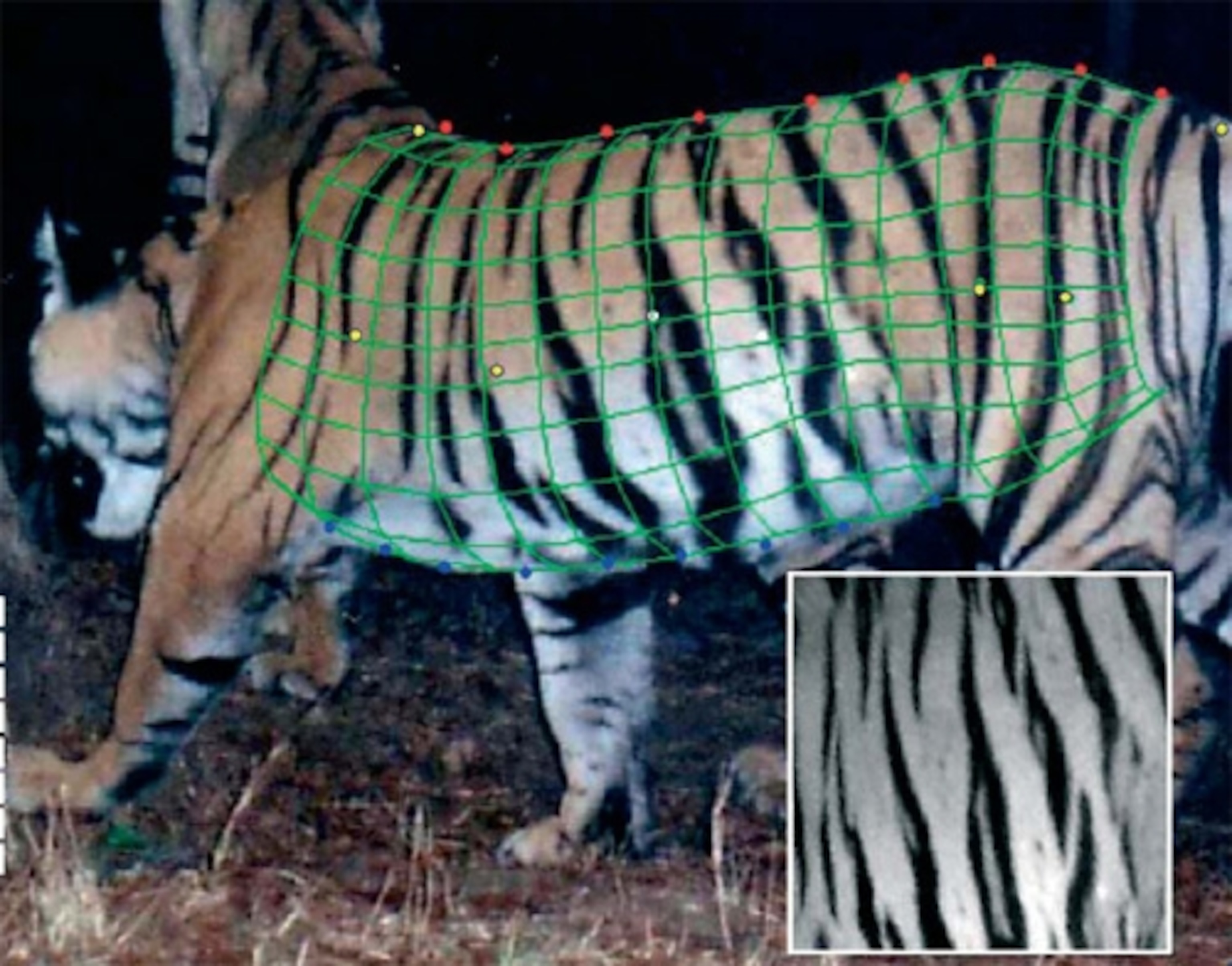
Photo Credit: National Geographic / WWF India
Every tiger has a unique stripe pattern, just like human fingerprints. No two tigers look exactly the same. This is the key to identifying them in the wild.
If you look closely, you will notice that the stripes near the face, especially around the eyes, are very distinct. The side body, also called the flank, has patterns that experts often use for identification. Even the tail rings have slight variations that help in recognition.
Once you begin to observe these details, your Ranthambore tiger safari becomes far more engaging and personal.
How Guides Identify Tigers So Easily

Photo Credit: Getty Images / Rajasthan Tourism
Many people are surprised when guides instantly identify a tiger by name. This is not guesswork. It comes from experience and observation.
Guides combine knowledge of stripe patterns with territory understanding. They know which tiger is likely to be in a specific zone and how it behaves. Over time, they connect patterns, movement, and past sightings to identify individuals quickly.
This is why having the right guide can completely transform your safari experience.
The Common Mistake Most Tourists Make
Most tourists focus only on capturing a photo. They wait for the tiger to appear, click pictures, and move on without really observing anything.
Because of this, even after seeing a tiger, their experience remains shallow. They saw the animal, but they did not understand it. They remember the moment, but not the story.
This is why many people feel that their safari was incomplete, even if they had a sighting.
How You Can Start Identifying Tigers
You do not need to be an expert to begin. Even as a beginner, you can start noticing small details. When you see a tiger, take a moment to observe its face. Look at the stripe pattern around the eyes and on the side of the body.
Ask your guide about the tiger’s name and try to remember one unique feature. Later, you can compare it with reference images. Over time, you will start recognizing patterns and connecting them with individual tigers.
This small shift changes your entire wildlife experience in India. You are no longer just watching. You are understanding.
Why Identification Makes Your Safari More Meaningful

Photo Credit: Unsplash
When you can identify a tiger, you stop chasing random sightings. Instead, you begin to follow stories. You understand where the tiger belongs, how it behaves, and what it might do next.
This turns a simple safari into a deeper experience. The forest starts making sense, and every movement becomes meaningful.
Where Most People Go Wrong While Planning
Many travelers search for options like [Ranthambore safari booking best zones], [top wildlife tours in Ranthambore], or [best tiger safari packages in India] on platforms such as Agoda, Booking.com, Expedia, GetYourGuide, Hotels.com, Kayak, TripAdvisor, and Vrbo.
These platforms help you book a safari, but they do not help you understand it. They focus on availability, not experience. This is why many people return without truly knowing what they saw.
A Smarter Way to Experience Ranthambore
At Flying Hornbill, the approach is not limited to booking safaris. The focus is on helping you understand the forest and what you are seeing.
From choosing the right zones to explaining tiger behavior and identification, the goal is to make your safari more than just a sighting. It becomes a story you can follow and remember.
Call To Action
If you are planning Ranthambore, do not just look for sightings. Try to understand what you see.
Comment “TIGER ID” and get a free PDF:
Tiger Identification Guide for Ranthambore (Stripe Patterns + Famous Tigers)
Or connect directly:
📞 Book your safari: +91-9344813299
📧 Email: [email protected]
🌐 www.flyinghornbill.com

About Navaneeth Krishnan
Navaneeth Krishnan is a premier Travel Curation Expert with 14+ years of experience. Having partnered with top travel brands, he knows India’s tourist spots like the back of his hand, making him the trusted expert to design your next unforgettable, perfectly tailored tour.