Discover the Magic of Manas National Park Safari
Hidden in the foothills of the Himalayas, Manas National Park is one of the most beautiful wildlife destinations in India. Located in Assam near the Indo-Bhutan border, the park is a UNESCO World Heritage Site and a famous tiger reserve in India.
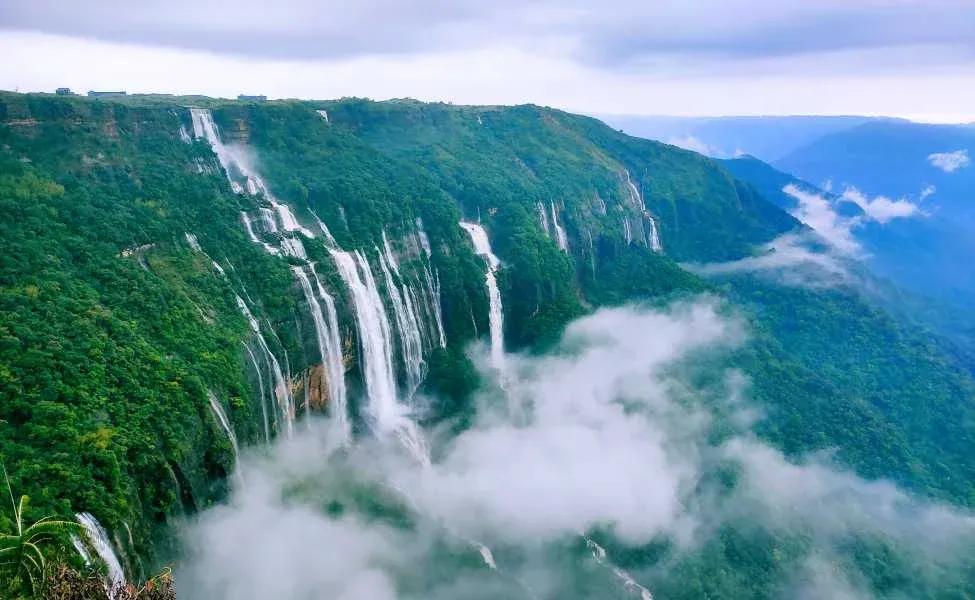
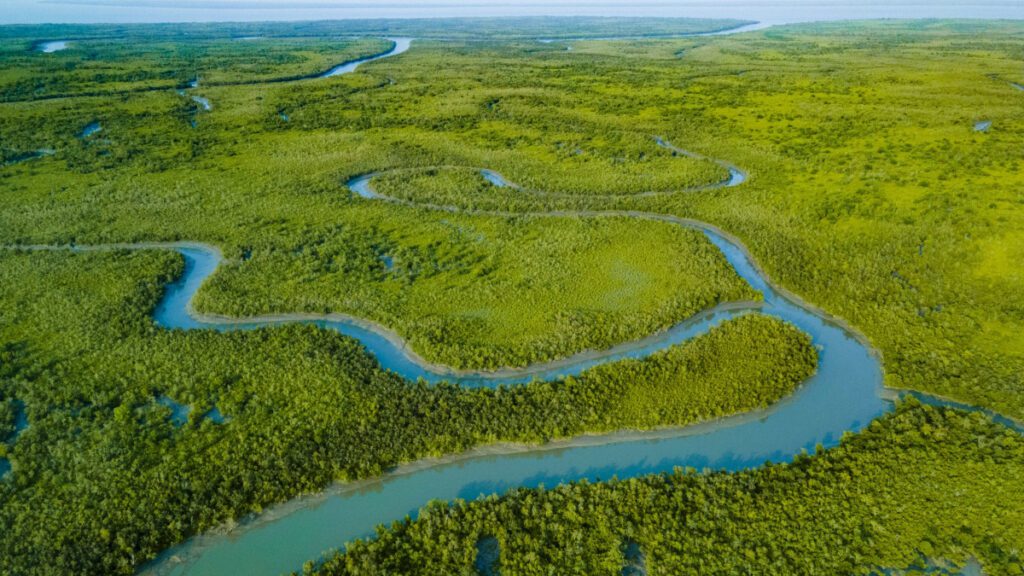
The landscape here is magical. Tall grasslands stretch along the Manas River, dense forests cover the hills, and open meadows create perfect wildlife habitats. During a Manas National Park safari, visitors may see Bengal tigers, Indian elephants, one-horned rhinoceroses, and the rare golden langur.
But Manas is not just about sightings.
It is about experiencing a wild landscape where rivers flow freely, birds fill the sky, and the forest still feels untouched.
📞 Book your Manas National Park safari: +91-9344813299
📧 Email: [email protected]
🌐 www.flyinghornbill.com
Why Manas National Park Safari Feels Different
Many tiger reserves in India receive heavy tourist traffic, but Manas still feels calm and natural. Safaris here move slowly. Guides follow animal tracks and alarm calls rather than rushing toward sightings. This makes the experience feel more like a real jungle exploration.
Visitors often say that a Manas National Park wildlife safari feels closer to nature compared to crowded safari parks.

Photo Credit: UNESCO World Heritage / Wikimedia Commons
Best Time to Visit Manas National Park
The best time for Manas National Park safari is between October and May, when the park remains open to visitors. However, the most rewarding months are November to April. During this period, the weather remains pleasant and animals are often seen in open grasslands and near riverbanks.
Travelers frequently ask:
When is the best time for a Manas National Park safari?
The ideal time is late winter and early summer, when wildlife activity increases and vegetation becomes thinner, making animals easier to spot.
During monsoon months (June to September), the park remains closed because heavy rainfall floods many forest roads.
How to Reach Manas Tiger Reserve
Planning a Manas National Park safari trip is easier than many people think.
The park is located in the Baksa district of Assam and is well connected by road.
By Air
The nearest airport is Guwahati International Airport, around 180 km from the park.
By Train
The nearest railway station is Barpeta Road, located about 40 km from Manas.
By Road
From Guwahati, a scenic 4-hour drive through Assam’s countryside leads to the park.
Many travelers combine their safari with stays at the best nature resorts near Manas National Park, eco-friendly jungle lodges, or wildlife homestays near the park gate.
Types of Safari Experiences in Manas National Park
One of the most exciting things about visiting Manas is the variety of safari experiences available.
Jeep Safari
The most popular option for exploring deep forest trails. Jeep safaris allow visitors to travel across grasslands and forest roads where animals like rhinos and elephants are often spotted.
Elephant Safari
A traditional wildlife experience where visitors ride on elephants through tall grasslands. This gives a closer view of animals hidden in dense vegetation.
River Rafting Safari
A unique experience in Manas where visitors float along the Manas River while spotting water birds, wild buffalo, and sometimes elephants on the riverbank.
Travelers often ask:
Which safari is best in Manas National Park?
Jeep safaris offer the best chances for spotting large animals like tigers and rhinos.
Photo Credit: Assam Tourism / Unsplash Wildlife Contributors
Popular Safari Zones in Manas National Park
Manas is divided into several safari ranges that offer different wildlife experiences.
Bansbari Range
The most visited safari zone and the main entry gate. This area offers the best chances to see rhinos, elephants, and deer.
Bhuyanpara Range
Known for dense forests and rare bird sightings. Ideal for nature lovers and photographers.
Panbari Range
A paradise for birdwatchers. Many rare bird species are found here.
Travelers planning a Manas National Park tiger safari usually choose Bansbari Range because of its excellent wildlife sightings.
Wildlife You Can See in Manas National Park
Manas is incredibly rich in biodiversity. The park supports more than 450 bird species and over 55 mammal species.
During a Manas wildlife safari, visitors may see:
Mammals
- Bengal tiger
- Indian elephant
- One-horned rhinoceros
- Wild water buffalo
- Golden langur
Birds
- Great hornbill
- Fishing eagle
- Scarlet minivet
- Jungle fowl
Photo Credit: National Geographic Creative / Wikimedia Commons
Safari Timings and Approximate Cost
Safaris in Manas usually take place twice daily.
Morning Safari: 6:00 AM – 10:00 AM
Evening Safari: 2:00 PM – 5:30 PM
Approximate cost of a Manas National Park jeep safari ranges between ₹4,500 – ₹6,000 per vehicle, including permits, guide fees, and entry charges.
Prices may vary depending on season and availability.
📞 To book your safari permit and vehicle: +91-9344813299
🌐 www.flyinghornbill.com
Responsible Travel and Wildlife Photography Tips
Responsible tourism helps protect the fragile ecosystem of Manas.
Visitors should follow a few simple rules during their Manas wildlife safari experience.
Maintain safe distance from animals.
Avoid plastic waste inside the park.
Always follow instructions from forest guides.
Respect wildlife and avoid disturbing natural behaviour.
Photography is allowed inside the park. Early morning safaris often provide the best golden light for wildlife images.
Why Manas Should Be on Your Wildlife Bucket List
A Manas National Park safari offers something rare — a truly wild landscape where nature still feels untouched.
Here, you can watch rhinos grazing in misty grasslands, elephants crossing rivers, and birds flying above the forest canopy.
But beyond the wildlife, Manas offers something deeper.
It reminds us how beautiful nature can be when it is left wild.
Plan Your Manas National Park Safari
If you want to experience the wild beauty of Assam, planning your safari in advance helps secure the best zones and permits.
📞 Book your Manas National Park safari: +91-9344813299
📧 Email: [email protected]
🌐 www.flyinghornbill.com
💬 Comment “MANAS” and we will send you a FREE PDF guide to planning the perfect Manas wildlife safari.

About Navaneeth Krishnan
Navaneeth Krishnan is a premier Travel Curation Expert with 14+ years of experience. Having partnered with top travel brands, he knows India’s tourist spots like the back of his hand, making him the trusted expert to design your next unforgettable, perfectly tailored tour.