What if you could Heal your Mind on a Powerful Masai Mara Safari

The first rays of sunlight touch the golden grass, painting the horizon in soft amber. A herd of elephants moves silently across the plain, their massive silhouettes framed against the morning mist. Far away, a lion’s deep roar rolls through the air. In that moment, you realise — the world feels quieter here, your thoughts feel lighter, and your heartbeat matches the rhythm of the wild.
This is Masai Mara, where nature’s beauty is not just seen, but felt.
Why is Masai Mara So Famous for Wildlife and Healing?
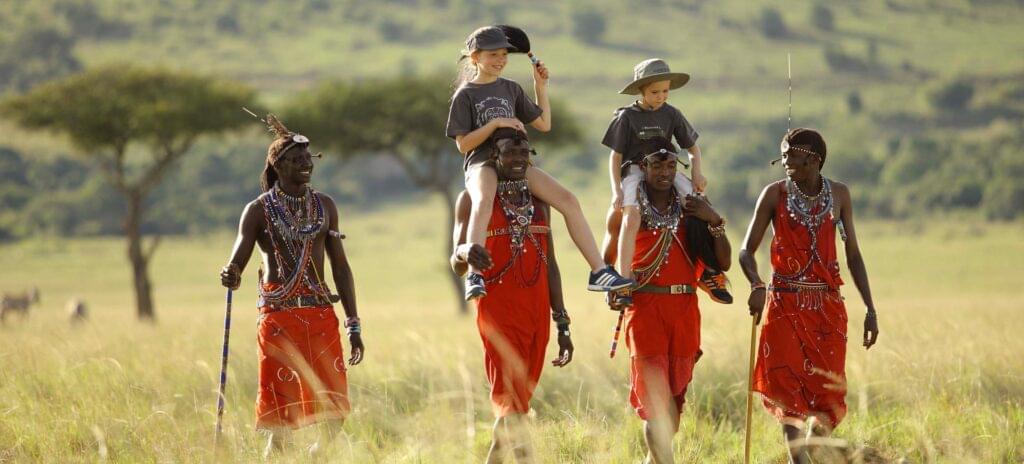
Masai Mara in Kenya is one of the most celebrated wildlife destinations on Earth. Spread across vast golden grasslands and dotted with umbrella-shaped acacia trees, it is a place where nature still feels wild and free. The reserve is deeply linked to the traditions of the Maasai people, whose red robes and cattle herds are a common sight.
The highlight for many visitors is the Great Migration — one of the largest movements of animals on the planet. Each year, from July to October, over a million wildebeests, zebras, and gazelles travel from the Serengeti in Tanzania to the Masai Mara in search of fresh grazing. Along the way, they face dramatic river crossings, swift predators, and incredible survival challenges.
But Masai Mara is not only about wildlife sightings. It’s also about healing your mind and refreshing your spirit. The open skies seem to stretch forever, the warm winds carry the scent of wild grasses, and the sounds of the bush — from the soft call of a dove to the deep roar of a lion — create a peaceful rhythm that can calm even the busiest mind.
If you want to experience this beauty first-hand, call +91-9344813299 or visit www.flyinghornbill.com to book your safari.
Why Are There No Tigers in Masai Mara?
A common question is: “Why are there no tigers in Masai Mara?” The answer is simple — tigers are found in Asia, mainly in India, Nepal, and parts of Southeast Asia. Masai Mara is in Africa, where the predators are very different.
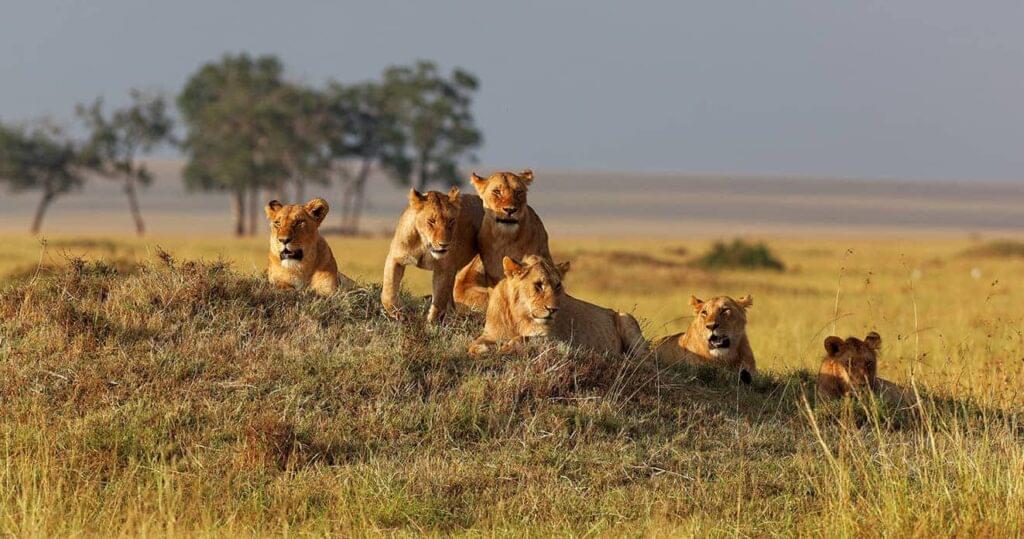
Here, you will find lions resting under shady trees, leopards blending perfectly into the branches, cheetahs scanning the horizon for prey, and hyenas roaming in packs. Alongside them live the Big Five — lion, leopard, elephant, buffalo, and rhino — each adding to the magic of the Mara.
For travelers seeking wildlife tours that also nourish the soul, the drama and beauty of these encounters are unforgettable.
What is Masai Mara Famous For?
Masai Mara is famous for much more than the Great Migration. It offers year-round wildlife viewing thanks to its rich ecosystems. Giraffes walk gracefully across the plains, hippos wallow in the rivers, and hundreds of bird species add color and sound to the landscape.
Imagine beginning your day with the golden light of sunrise spilling over the savannah as elephants move slowly through the mist. By afternoon, you might find yourself watching a pride of lions resting after a hunt, while the sun dips low and paints the sky in shades of orange and pink.
These are not just moments for the camera — they are healing experiences. They remind us to slow down, breathe deeply, and be fully present in the moment.
Want help with planning or have questions about the visa, route, or stay options? Reach out at +91-9344813299 or visit www.flyinghornbill.com for expert guidance.
Is Masai Mara Visa-Free for Indians?
For Indian travelers, Kenya is not completely visa-free, but it is very easy to visit. The country now offers an Electronic Travel Authorisation (eTA) system. You can apply online before your trip, receive approval within a few days, and be ready to enter the country without stress.
This simple process means more time planning the fun parts of your journey — like deciding whether to spend your mornings on game drives or relaxing in the open air with views of the savannah.
What is the 12-Hour Rule for Masai Mara Safaris?
You might hear about the “12-hour rule” for safaris in the Mara. While it’s not an official law, most full-day game drives follow this routine: setting out at sunrise and returning before sunset. That’s around 12 hours in the wild.
This schedule gives you the best light for photography, cooler temperatures for comfort, and the greatest chance of spotting predators on the move. In the soft morning light, lions are often active, and in the late afternoon, you might see elephants heading to waterholes.
Does Being in Nature Reduce Inflammation?
Yes. Studies show that spending time in natural environments reduces stress hormones, lowers inflammation, and boosts the immune system. Even short periods of immersion in nature can have measurable effects on health.
In Masai Mara, this happens naturally. As you watch herds of wildebeest grazing or listen to the distant call of a fish eagle, your heart rate slows, your breathing deepens, and your body relaxes. It feels like a reset button for both mind and body.
Ready to plan your safari? Contact us at +91-9344813299 or visit www.flyinghornbill.com
How Healing is Done in the Forest — and the Grasslands
Japan’s Shinrin-yoku, or “forest bathing,” is the practice of walking slowly and mindfully in nature. While Masai Mara is mostly open grassland, not dense forest, the benefits are the same.
It also connects to the Japanese idea of Ikigai — your reason for living. Many travelers find moments of clarity during a safari: perhaps while watching a cheetah stretch under a tree, or while sitting quietly in the vehicle as a herd of elephants passes by. These moments can spark reflection, gratitude, and a deeper sense of purpose.
Best Time to Visit Masai Mara for Wildlife and Healing
Masai Mara is beautiful all year, but the best time depends on what you want to experience:
- July to October – Perfect for witnessing the Great Migration. The sight of thousands of wildebeests crossing the Mara River is thrilling and deeply moving.
- January to March – Calmer months with fewer tourists. Ideal for a peaceful and more personal connection with nature, perfect for wellness-focused trips.
- April to June – The green season. The landscape is lush, birdlife is abundant, and the quieter atmosphere makes it easier to immerse yourself in the healing rhythm of the wild.
If you want to combine wildlife excitement with mental and physical relaxation, choose a season that matches your pace.
Combining Wildlife and Wellbeing in Masai Mara
A safari in Masai Mara offers much more than adventure. It offers lessons for life:
- Patience, as you wait quietly for animals to appear.
- Balance, as you see predators and prey share the same space.
- Mindfulness, as you listen to the soft hum of the wild around you.
In the Mara, excitement and peace exist side by side. One moment, you might feel your pulse race as a lion walks past your vehicle; the next, you might sit in complete stillness, watching the sun melt into the horizon.
If you’re looking for both thrill and tranquility, Masai Mara is the perfect choice.
Book your wildlife and wellness journey today at +91-9344813299 or www.flyinghornbill.com.

About Navaneeth Krishnan
Navaneeth Krishnan is a premier Travel Curation Expert with 14+ years of experience. Having partnered with top travel brands, he knows India’s tourist spots like the back of his hand, making him the trusted expert to design your next unforgettable, perfectly tailored tour.