Rare Animals of Manas National Park: Discover Assam’s Hidden Wildlife
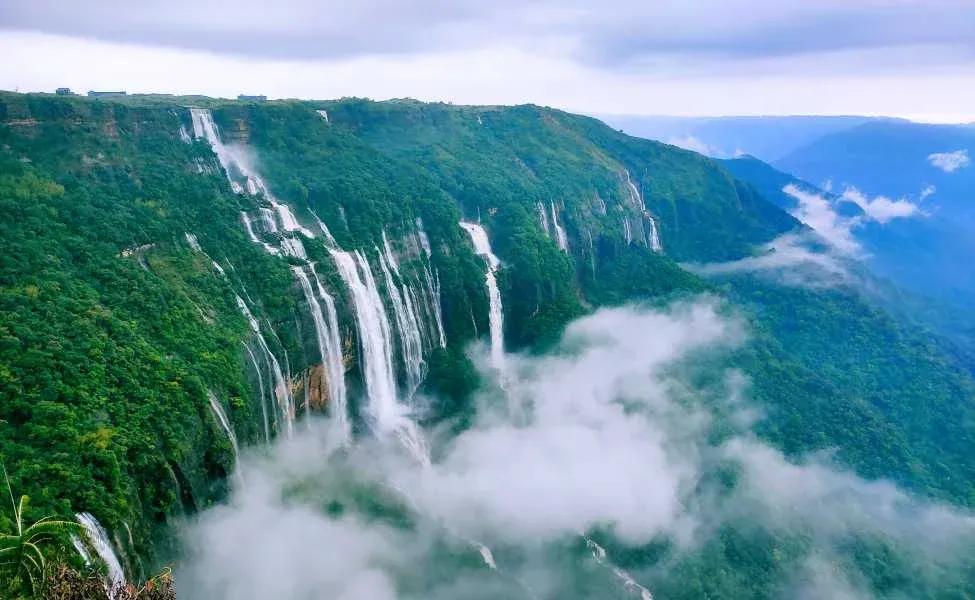
Deep in the foothills of the eastern Himalayas lies one of India’s most extraordinary wildlife destinations — Manas National Park.
Many travelers visit Assam for the famous one-horned rhinos of Kaziranga National Park. But wildlife lovers who explore Manas quickly realise that this park protects something even more special — some of the rarest animals found anywhere in the world.
A Manas National Park safari offers a chance to see species that are extremely difficult to spot in other forests of India. Some of these animals are so rare that Manas is one of the few remaining places where they still survive.
If you are planning a wildlife safari in Assam, learning about these rare animals will make your journey even more exciting.
Why Manas National Park Is a Biodiversity Hotspot

Photo credit: UNESCO World Heritage Centre / Sougata Sinha Roy (Wikimedia Commons)
Manas is not just another national park. It is a UNESCO World Heritage Site and a Tiger Reserve, located along the India–Bhutan border.
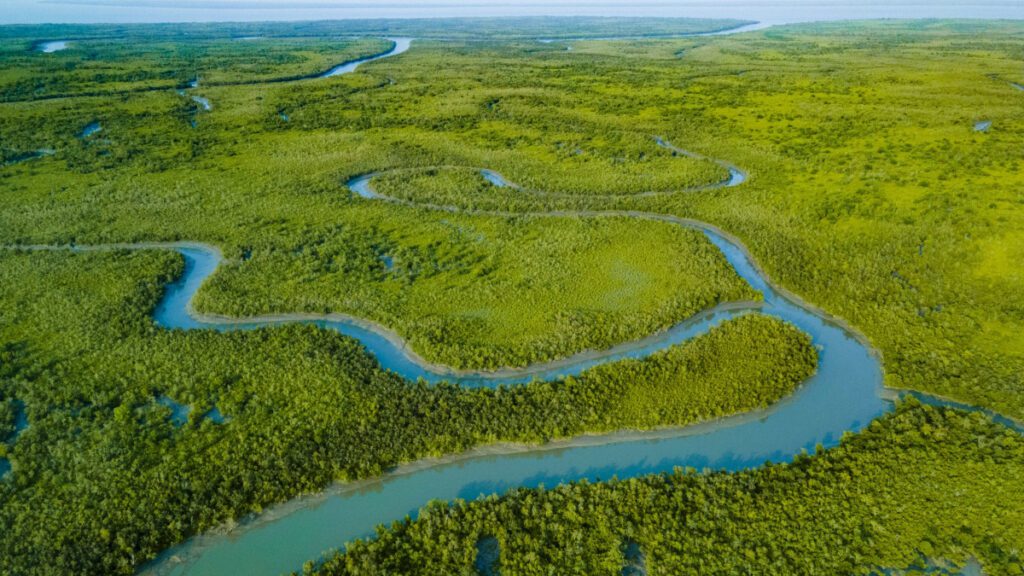
The park contains a remarkable mix of habitats:
- tropical forests
- riverine forests
- Himalayan foothill ecosystems
- tall grasslands
Because of this diverse landscape, Manas supports an incredible range of wildlife. Many species found here are considered globally endangered or extremely rare.
This is why scientists and conservationists consider Manas one of the most important wildlife areas in Asia.
Golden Langur – The Sacred Monkey of Assam
Photo credit: Wikimedia Commons wildlife photographers
One of the most iconic animals of Manas is the Golden Langur.
This beautiful monkey is famous for its bright golden fur and expressive eyes. It lives mainly in the forests of western Assam and neighboring Bhutan.
Golden langurs spend most of their time high in the tree canopy. During a Manas National Park safari, lucky visitors may see groups of langurs jumping gracefully between branches.
Because their habitat is limited to a small region of the eastern Himalayas, the golden langur is considered one of the rarest primates in the world.
Pygmy Hog – The Smallest Wild Pig on Earth
Photo credit: Pygmy Hog Conservation Programme / Wikimedia Commons
The Pygmy Hog is perhaps the most unusual animal found in Manas.
It is the smallest wild pig species in the world, measuring only about 60 cm in length.
For many years scientists believed pygmy hogs were extinct. But small populations were rediscovered in the grasslands of Assam, especially in areas connected with Manas National Park.
These tiny animals live deep inside tall grasslands and are extremely difficult to see in the wild.
Because of their rarity, pygmy hog conservation programs are working closely with Manas National Park to protect their habitat.
Hispid Hare – The Ghost of the Grasslands
Photo credit: Wikimedia Commons wildlife photographers
Another mysterious resident of Manas is the Hispid Hare.
This rare rabbit species lives in tall grasslands of the Himalayan foothills and is extremely difficult to observe.
The hispid hare is known for its rough, bristly fur and shy behaviour. It usually emerges during early morning or late evening.
For wildlife researchers, confirming the presence of hispid hares is an important indicator that grassland ecosystems in Manas are healthy.
Wild Water Buffalo – The Giants of the Grasslands
Photo credit: Wikimedia Commons
The Wild Water Buffalo is one of the largest and most powerful animals living in Manas National Park.
These massive animals can weigh more than 1000 kilograms, and their curved horns can spread nearly two meters wide.
Unlike domestic buffalo, wild buffalo are extremely strong and prefer remote grassland habitats near rivers.
During a Manas National Park safari, visitors sometimes see buffalo herds grazing peacefully in open grasslands.
They are considered one of the flagship species of Assam’s wildlife landscapes.
Bengal Tiger – The Secret Predator of Manas
Photo credit: Assam Forest Department / Camera trap images
Manas is also a Project Tiger reserve, protecting one of the most famous predators in the world — the Bengal Tiger.
Although tiger sightings are rare, the forest supports a healthy population of these majestic animals.
Tigers in Manas prefer dense forests and riverine habitats, where they hunt deer, wild pigs and other prey species.
Even if visitors do not see a tiger during their safari, knowing that these powerful predators roam the forest makes the experience thrilling.
Best Time to See Wildlife in Manas National Park
Wildlife sightings depend heavily on the season.
The best months for a Manas National Park safari are between November and April.
Winter mornings often bring misty landscapes and active wildlife movement. During March and April, animals frequently visit rivers and water sources.
For photographers and nature lovers, this period offers some of the most beautiful wildlife moments in the park.
Where to Stay Near Manas National Park
Staying close to the forest allows visitors to fully experience the atmosphere of the jungle.
Several eco-lodges and wildlife resorts operate near the Bansbari entrance of the park.
You can book the best resorts near Manas National Park by clicking here.
These accommodations often organise:
- jeep safaris
- birdwatching tours
- village cultural experiences
- nature walks along the Manas River
Staying at a jungle lodge also allows travelers to catch early morning safaris, when wildlife sightings are often best.
Plan Your Manas National Park Safari
If you want to explore the rare wildlife of Manas, planning your safari in advance is important.
📞 Book your safari: +91-9344813299
📧 Email: [email protected]
🌐 www.flyinghornbill.com
You can also book the best jungle resorts and wildlife experiences near Manas National Park by clicking here.
Free Wildlife Safari Guide
If you are planning a wildlife trip, comment “MANAS WILDLIFE” below.
We will send you a free PDF guide on the rare animals of Manas National Park, including:
- the best safari zones
- wildlife photography tips
- rare species checklist
- travel planning tips

About Navaneeth Krishnan
Navaneeth Krishnan is a premier Travel Curation Expert with 14+ years of experience. Having partnered with top travel brands, he knows India’s tourist spots like the back of his hand, making him the trusted expert to design your next unforgettable, perfectly tailored tour.