Can You See Tribal Life on a Nagarahole Safari? The Honest Truth
Many people planning a wildlife trip ask this quietly, sometimes awkwardly:
“Will we see tribal people during a Nagarahole safari?”
“Are there tribal villages inside the forest?”
The honest answer may surprise you.
When you go on a safari inside Nagarhole National Park, you do not see tribal life.
And that is exactly how it should be.
This blog will help you understand:
- Why tribal communities are not part of safari viewing
- How tribes are still deeply connected to the forest
- What you actually experience on a Nagarahole safari
- Why ethical safaris avoid turning people into attractions
If you are looking for a real wildlife experience in India, this clarity matters.

The Straight Answer: No, You Don’t “See” Tribal Life on a Nagarahole Safari
Let’s clear the myth first.
❌ You don’t see tribal homes
❌ You don’t visit tribal villages
❌ You don’t interact with forest communities during a safari
A Nagarahole safari is designed to observe wildlife in its natural space, not human life.
This is not avoidance.
This is respect.
Wildlife tourism in India follows strict rules to ensure that:
- Forest communities are not displayed
- Wildlife areas remain undisturbed
- Safaris do not become human exhibitions
If a safari promises “tribal sightings”, that is a red flag, not a feature.
Then Where Are the Tribes of Nagarahole?
This is where perspective changes.
Tribal communities like the Jenu Kuruba lived with the forest, not around it.
Their lives were shaped by:
- Seasonal movement
- Forest produce like honey and tubers
- Deep understanding of animal behaviour
Over time, conservation laws changed how forests were protected.
Many communities were relocated outside core forest zones.
So today:
- The forest looks “untouched”
- Wildlife moves freely
- Human presence is limited
That absence is not erasure — it is a conservation choice with complex history.
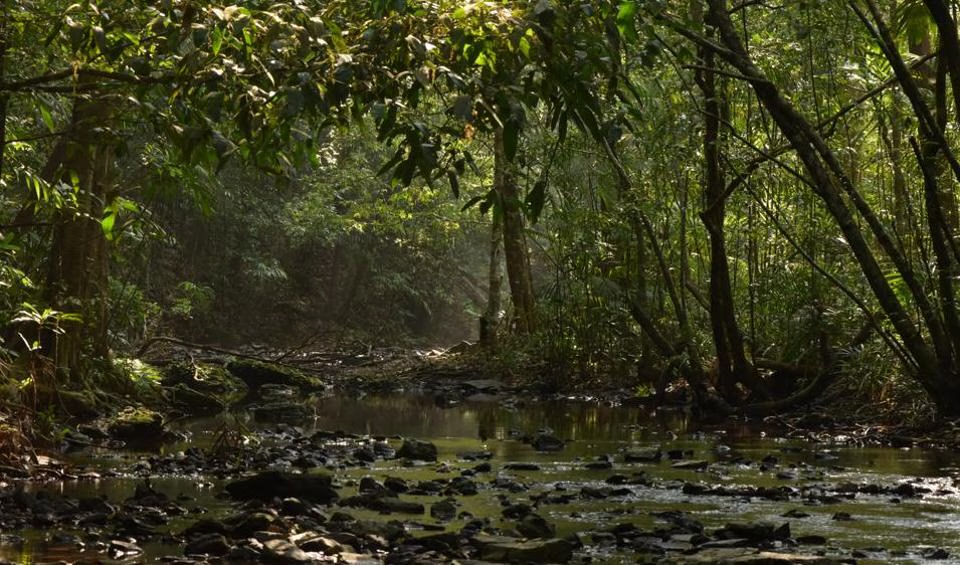
What You Actually Experience on a Nagarahole Safari
Here’s the emotionally inconvenient truth:
A safari is not a cultural tour.
It is a lesson in restraint.
On a Nagarahole wildlife safari, you experience:
- Silence instead of storytelling
- Animal signs instead of human activity
- Forest patterns instead of performances
And that is where tribal connection quietly exists.
The Forest Still Moves the Same Way
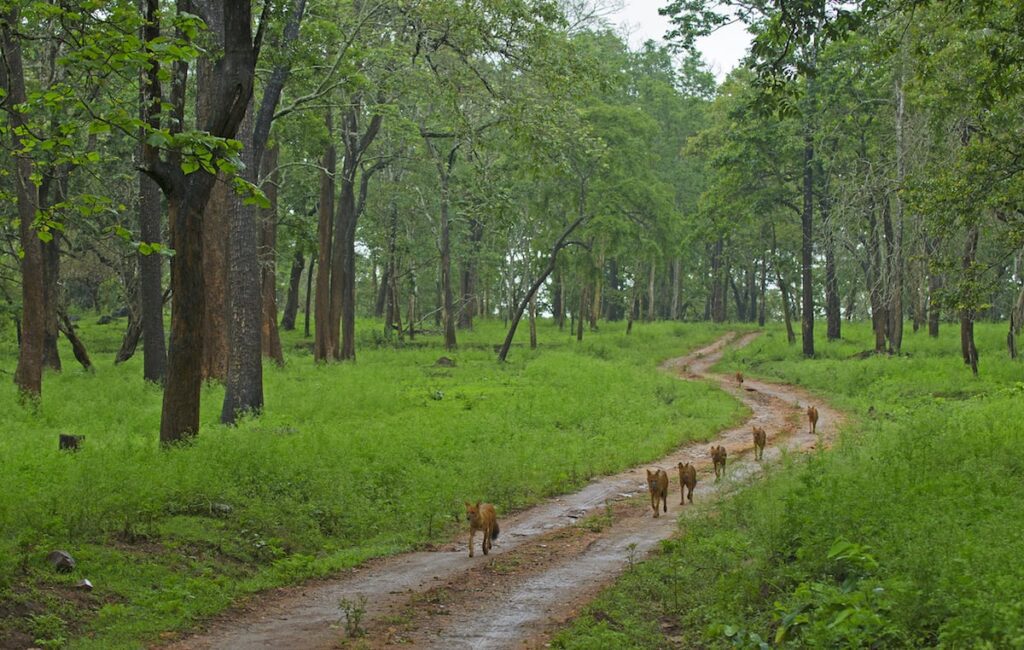
- Elephants still follow ancient corridors
- Deer still react to alarm calls
- Predators still avoid unnecessary exposure
Much of this behaviour was observed and understood by forest communities long before safaris existed.
You don’t see the people —
but you see the system they once understood deeply.
Why Ethical Safaris Do Not Show Tribal Life
This matters if you care about responsible wildlife tourism in India.
Ethical safaris:
- Do not commercialise communities
- Do not stage encounters
- Do not mix human curiosity with survival spaces
Wildlife experiences are about watching without interfering — for animals and people.
That’s why serious travellers prefer:
- Guided Nagarahole safaris
- Educational wildlife experiences in India
- Operators who focus on understanding, not entertainment
So Why Learn About Tribes Before or After a Safari?
Because it changes how you see the forest.
When you know:
- Forest paths were once honey trails
- Silence was a survival skill
- Observation mattered more than speed
You stop asking:
“Why didn’t we see more?”
And start thinking:
“What is the forest choosing to show us?”
This shift is what turns tourists into wildlife learners.
📞 Plan your Nagarahole safari with experts: +91-9344813299
🌐 www.flyinghornbill.com
📧 Email: [email protected]
Where to Stay to Experience Nagarahole Respectfully
Your stay plays a big role in how you experience the forest.
Look for:
- Quiet locations near forest boundaries
- Nature-first properties
- Minimal disturbance environments
🔗 Best resorts near Nagarahole National Park
🔗 Eco-friendly jungle lodges in Karnataka
🔗 Nature stays near Nagarahole Tiger Reserve
The Real Question You Should Ask Before Booking a Safari
Not:
❌ “Will we see tribes?”
❌ “Will we see a tiger?”
But:
✅ “Will we understand the forest better?”
✅ “Will this experience change how we look at nature?”
That’s the difference between a checklist trip and a meaningful wildlife experience.
Why Flying Hornbill Talks About This Honestly
At Flying Hornbill, we don’t sell:
- Curiosity tourism
- Staged experiences
- False expectations
We believe:
- Forests deserve silence
- Communities deserve dignity
- Visitors deserve truth
That honesty attracts travellers who are ready for real wildlife journeys, not surface-level trips.
CTA
👉 Comment “FOREST TRUTH” and we’ll send you a free PDF:
“How to Experience Nagarahole Beyond Sightings”
Includes:
- What to expect on safaris
- How to read forest signs
- How to prepare kids and first-timers
- How to choose ethical safari operators
📞 Plan your Nagarahole safari with experts: +91-9344813299
🌐 www.flyinghornbill.com
📧 Email: [email protected]

About Navaneeth Krishnan
Navaneeth Krishnan is a premier Travel Curation Expert with 14+ years of experience. Having partnered with top travel brands, he knows India’s tourist spots like the back of his hand, making him the trusted expert to design your next unforgettable, perfectly tailored tour.