Unique Wildlife of Melghat Tiger Reserve: A Hidden Paradise for Nature Lovers
When people search for Melghat tiger safari, most of them ask the same question:
“Is it good for tiger sightings?”
Yes, Melghat Tiger Reserve has tigers. But the real beauty of this forest lies beyond them.
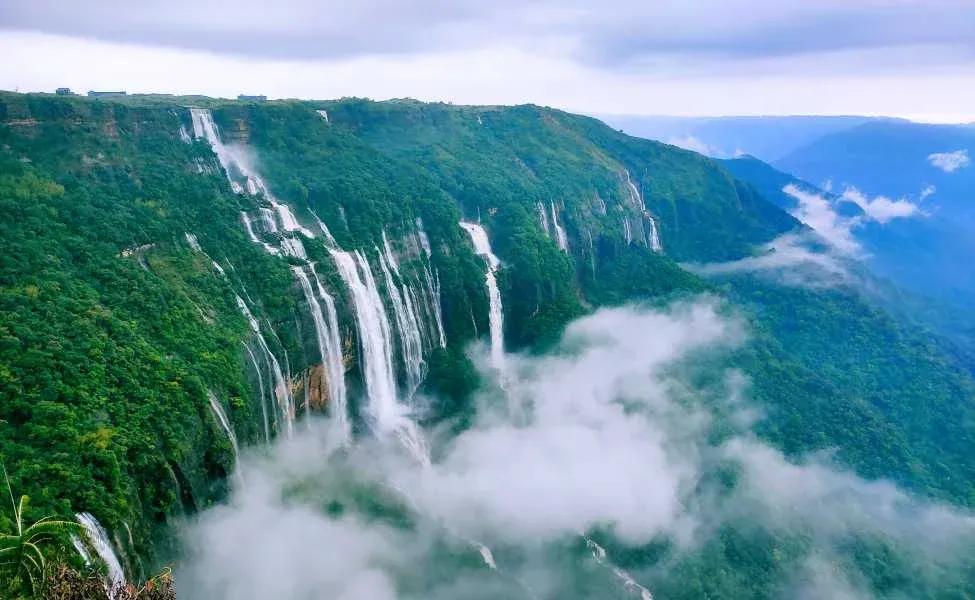
Melghat, located in the Satpura Hills of Maharashtra, is one of India’s oldest tiger reserves and one of its most natural forests. The landscape here is a mix of teak forests, deep valleys, rocky slopes, dry riverbeds, and grasslands. This diversity of habitats supports an incredible variety of wildlife that many visitors do not expect.
Unlike more commercial reserves, Melghat still feels wild and untouched. Safaris here move slowly, and the forest reveals its secrets only to those who observe patiently.
When you sit quietly in a safari jeep and listen carefully, you may discover:
- Sloth bears climbing fruit trees
- Packs of wild dogs moving together
- Massive gaurs grazing calmly
- Rare forest owls calling from the canopy
Melghat is not a place for rushed sightseeing. It is a place where the jungle slowly tells its story.
📞 Book your safari: +91-9344813299
📧 Email: [email protected]
🌐 www.flyinghornbill.com
Why Melghat Tiger Reserve Has Such Unique Wildlife
Many experienced naturalists say that Melghat Tiger Reserve safari offers one of the most diverse wildlife experiences in India.
The reason lies in its landscape.
The reserve has narrow river valleys, thick teak forests, rocky cliffs, bamboo patches, and dry deciduous vegetation. Because of these varied habitats, many different species thrive here.
Animals choose different parts of the forest depending on their needs.
For example:
- Open grasslands attract gaur and chital herds
- Thick bamboo forests provide cover for sloth bears
- Rocky slopes are preferred by leopards and birds of prey
- Dry forest trails are ideal for dholes (wild dogs)
While some visitors chase tiger sightings, experienced wildlife travelers come to Melghat to experience the forest itself.

Photo Credit: Wikimedia Commons / Maharashtra Forest Department
Sloth Bear – The True Star of Melghat
Many visitors ask:
“Is Melghat famous for sloth bear sightings?”
Yes. In fact, Melghat is considered one of the best places in India to observe sloth bears in the wild.
These fascinating animals are often seen during the summer months between March and June, when mahua flowers fall from trees. The flowers ferment naturally and attract bears looking for food.
Sloth bears also feed on termite mounds and fruit trees.
The best safari zones for sloth bear sightings include Harisal and Semadoh, where the forest offers both food and shelter.
Their walking style may look slow and clumsy, but sloth bears are surprisingly fast and extremely alert.
Wildlife photographers often recommend keeping a slightly higher shutter speed because bears move constantly while searching for food.
Photo Credit: Sanctuary Asia / Unsplash Wildlife Contributors
Dhole – The Intelligent Wild Dogs of Melghat
Another exciting species found in Melghat is the dhole, also known as the Indian wild dog.
Unlike tigers, dholes hunt in highly coordinated packs. They communicate through whistles and move quickly across the forest while chasing prey.
Visitors sometimes ask if dhole sightings are rare.
They are not very common, but when a pack appears, it becomes one of the most thrilling safari moments.
Dholes often move through the Semadoh plains and Dhargad riverbed areas, especially during summer when prey animals gather near water.
When a pack begins to run through the forest, dust rises from the ground and the forest suddenly falls silent. It is one of the most dramatic wildlife spectacles in India.
Indian Gaur – The Gentle Giants of the Forest
Melghat is also home to the Indian gaur, the largest wild cattle species in the world.
Gaurs are incredibly powerful animals, yet they are usually calm unless disturbed. A large bull can weigh more than 900 kilograms and still move gracefully across the grasslands.
Many visitors worry whether gaurs are dangerous. In reality, they rarely attack unless they feel threatened.
Early morning and late evening safaris offer the best chances to observe gaur herds feeding in open clearings.
For photographers, a slightly lower camera angle against green forest backgrounds can create stunning images of these majestic animals.
Photo Credit: National Geographic Creative / Wikimedia Commons
Leopards – The Silent Predators of Melghat
While tiger reserves like Tadoba and Bera are famous for leopard sightings, Melghat also has a strong leopard population.
Leopards prefer rocky slopes and dry ridges where they can hide easily. They are extremely patient hunters and excellent climbers.
Most leopard sightings occur during early morning or late evening safaris.
Interestingly, many leopard encounters happen when visitors are waiting for tiger movement. Both predators often use the same forest trails and waterholes.
Birds of Melghat: A Dream Destination for Birdwatchers
Melghat Tiger Reserve is also a paradise for bird lovers. More than 250 bird species have been recorded here.
One of the most famous birds found here is the Forest Owlet. This rare bird was once believed extinct for over a century until scientists rediscovered it in Melghat.
Other birds commonly seen include:
- Crested serpent eagle
- Changeable hawk-eagle
- Indian grey hornbill
- Plum-headed parakeet
- Green bee-eater
The hill station area of Chikhaldara is particularly popular for birdwatching because of its open viewpoints and forest edges.
Best Safari Zones in Melghat Tiger Reserve
Melghat has several safari entry gates, each offering a different wildlife experience.
Semadoh Zone is known for tiger movement, dhole packs, and gaur sightings.
Harisal Zone is excellent for sloth bears and quiet forest safaris.
Chikhaldara Zone offers spectacular landscapes and some of the best birdwatching locations.
Many wildlife travelers recommend combining Semadoh and Harisal zones over two days to experience the maximum diversity of wildlife.
Best Places to Stay Near Melghat Tiger Reserve
A comfortable stay near the forest improves your safari experience.
- Melghat Jungle Camp eco lodge stay – a nature-focused stay surrounded by forest.
- Harisal Forest Rest House wildlife stay – perfect for travelers seeking an authentic forest experience.
- Chikhaldara Hill Resort nature stay – ideal for birdwatchers and landscape photographers.
These stays provide easy access to safari gates and often arrange guided wildlife experiences.
Wildlife Photography Tips for Melghat
Melghat is known for slow, patient safaris. Photographers who rush usually miss the best moments.
A few simple principles improve your chances of great images:
Stay near water sources quietly and listen for alarm calls from langurs or sambar deer.
Use telephoto lenses between 100–400 mm for distant animals.
Burst mode helps capture fast-moving wildlife like dholes or sloth bears.
Because sunlight filters softly through teak branches, the forest often produces beautiful golden light that is ideal for silhouettes.
Why Melghat Feels Different from Other Tiger Reserves
Many tiger reserves today have heavy tourism pressure.
Melghat still feels different.
There are no large crowds of safari jeeps racing for sightings. Guides move slowly, and the forest remains calm.
This is why many naturalists describe Melghat as one of the most authentic wildlife experiences in India.
Visitors often say something interesting after their trip:
“I came here hoping to see a tiger, but I left loving the forest itself.”
A Perfect 2-Day Melghat Wildlife Experience
A short trip can still offer a wonderful wildlife experience.
Day 1 – Semadoh Zone
Morning safari for tiger tracking and gaur herds.
Evening safari for dhole movement near riverbeds.
Day 2 – Harisal Zone
Morning safari focusing on sloth bear trails.
Afternoon exploring forest streams and birdwatching.
To arrange jeeps, safari permits, and guided wildlife tours:
📞 Book your safari: +91-9344813299
📧 Email: [email protected]
🌐 www.flyinghornbill.com
Conclusion
Melghat Tiger Reserve is not just about tigers.
It is about sloth bears searching for mahua flowers, gaurs walking calmly through grasslands, leopards moving silently along rocky ridges, and dholes running together through dusty forest trails.
It is about the call of the forest owlet at dawn and the golden sunlight filtering through tall teak trees.
If you truly love nature, Melghat will change how you see forests.
Because here, the jungle is not just a checklist of sightings.
It is an experience.

About Navaneeth Krishnan
Navaneeth Krishnan is a premier Travel Curation Expert with 14+ years of experience. Having partnered with top travel brands, he knows India’s tourist spots like the back of his hand, making him the trusted expert to design your next unforgettable, perfectly tailored tour.