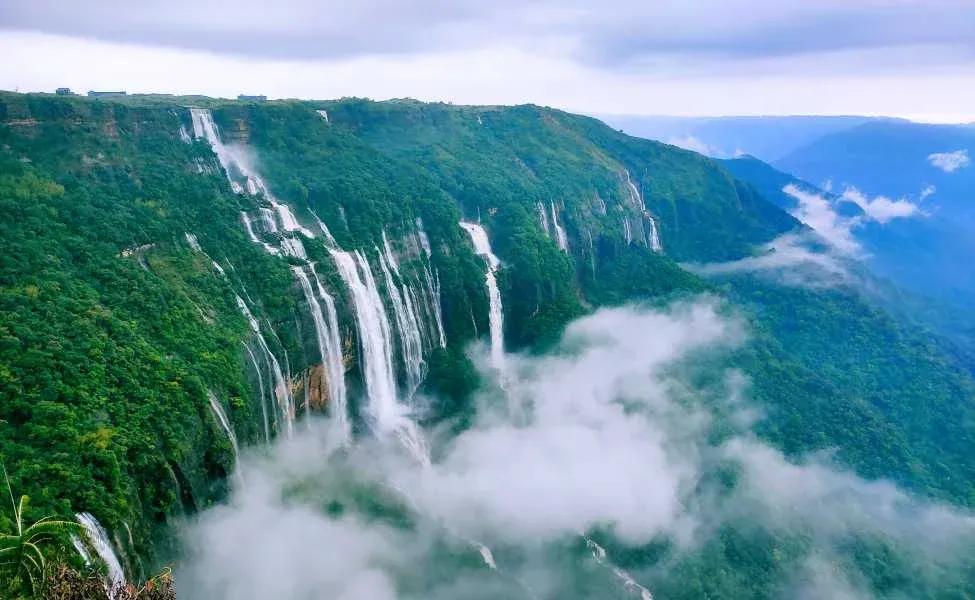
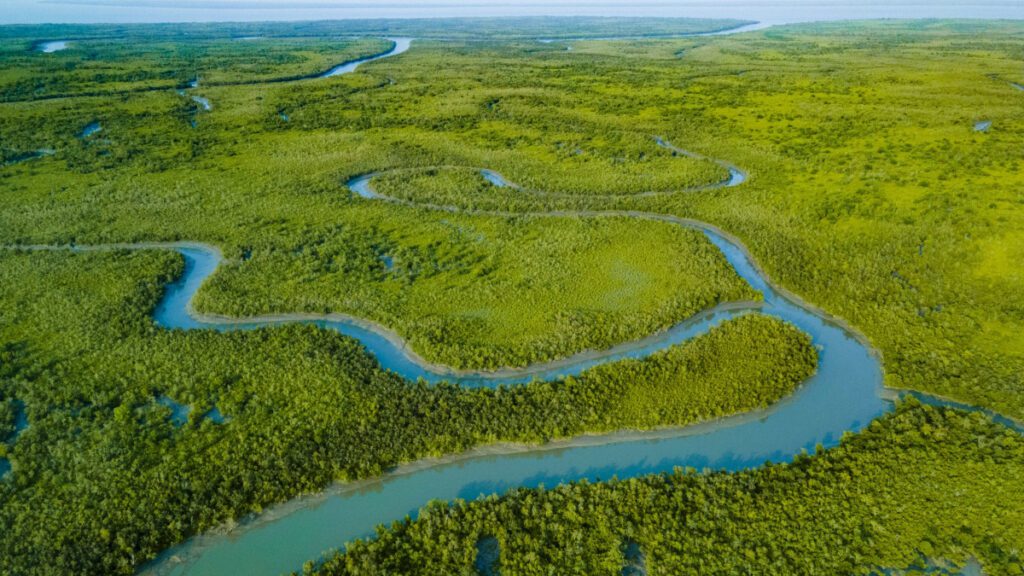
When people plan a Melghat tiger safari, most visitors think only about wildlife sightings. However, exploring tribal culture near Melghat Tiger Reserve Maharashtra can add a whole new dimension to your trip. Exploring Tribal Culture Near Melghat’s Wildlife Community allows travellers to experience unique traditions and connect with local people in meaningful ways.
But the forest around Melghat holds another beautiful story — the story of its tribal communities.
Many travelers search online questions like:
Who lives around Melghat Tiger Reserve?
What tribe protects the forests of Melghat?
Can tourists experience tribal culture during a Melghat safari trip?
The answer is fascinating.
Melghat is not only a wildlife habitat. It is also home to some of the oldest tribal communities of central India. Their culture, language, traditions, farming methods, and belief systems are deeply connected with the forest.
For them, the jungle is not a resource.
It is family.
📞 Book your safari or tribal cultural experience: +91-9344813299
📧 Email: [email protected]
🌐 www.flyinghornbill.com
The Tribes of Melghat – The First Guardians of the Forest
Two major tribal communities live around Melghat Tiger Reserve:
- Korku tribe – the dominant tribe of the region
- Gond tribe – widely spread across central India
The word Korku literally means “people of the forest.”
Their language belongs to the Austro-Asiatic family and is unique to this region. For generations, these tribes have lived in harmony with the forest landscape of Melghat.
Many travelers wonder:
“Do tribal communities hunt animals in Melghat?”
The truth surprises many visitors.
These tribes deeply respect wildlife. Their elders teach that every tree has a spirit and every animal has the right to live.
Because of this belief, tribal communities became the first protectors of Melghat’s wildlife long before modern conservation began.
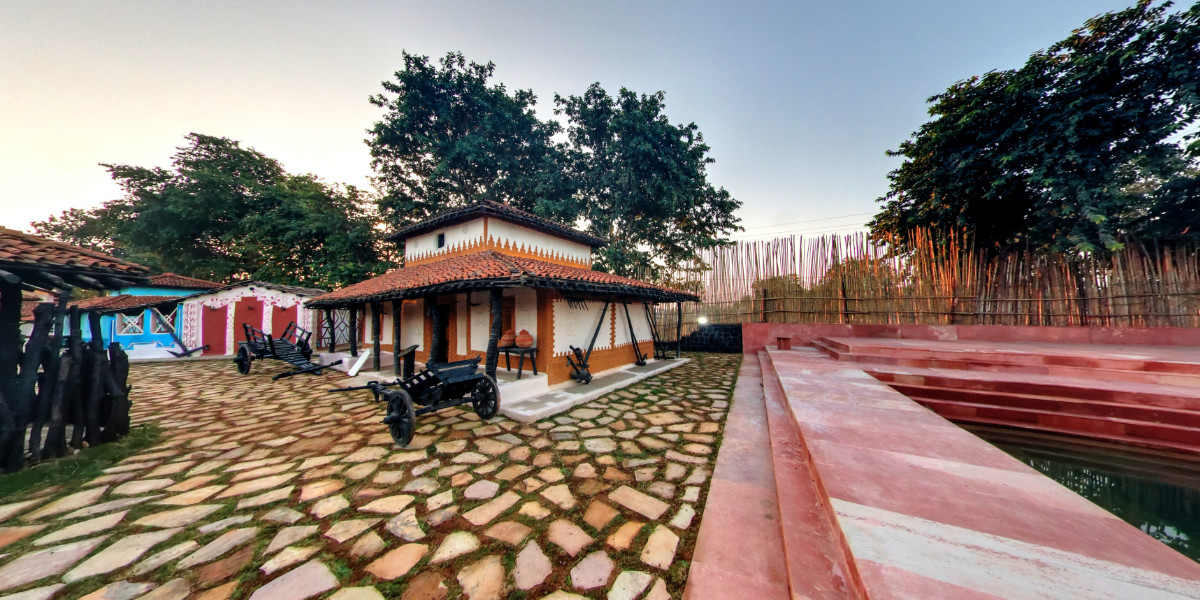
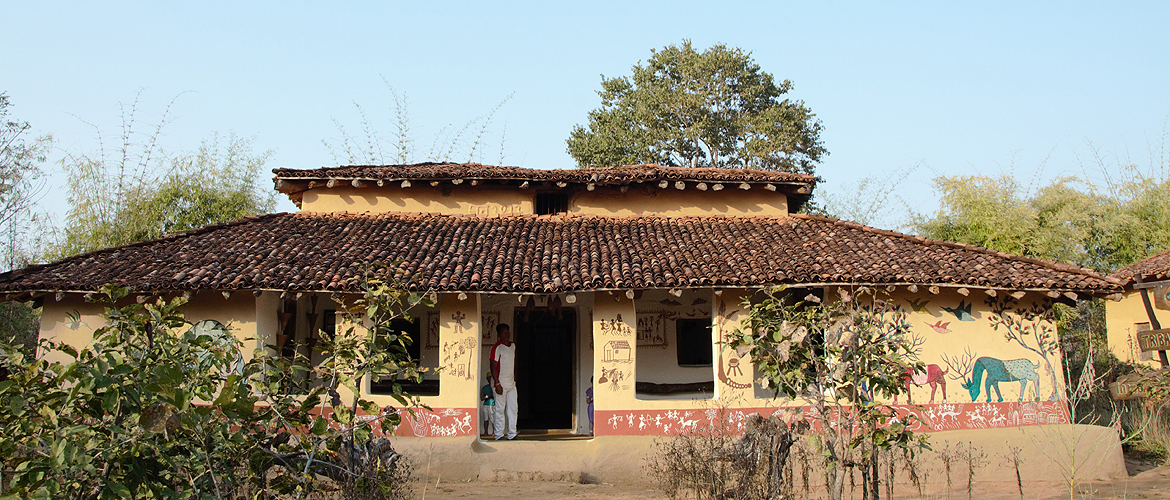
Photo Credit: Wikimedia Commons / Maharashtra Tourism
Tribal Villages Around Melghat – Living Close to Nature
Walking through a tribal village near Melghat feels like stepping into a slower and simpler world.
Homes here are built using natural materials. Mud walls keep houses cool during summer, and bamboo fences protect courtyards.
A typical village scene includes:
- Mud houses decorated with clay patterns
- Outdoor kitchens using wood fire
- Bamboo storage baskets
- Water collected from hand pumps or nearby streams
Houses are placed close together, showing a strong community bond.
Unlike cities where time runs fast, life here follows the rhythm of nature.
At sunrise, the village wakes slowly.
Women collect water and prepare morning meals. Men walk toward fields or forests. Children leave for small local schools.
In the evening, people gather under large trees to share stories, sing folk songs, and laugh together.
Visitors often describe this experience as one of the most peaceful moments of their Melghat cultural tour.
Tribal Farming – Simple, Organic, and Sustainable
Most tribal families grow their own food. Their farming methods are traditional and completely chemical-free.
Main crops grown around Melghat include:
- Maize
- Tur dal
- Millets like Kodo, Kutki, and Ragi
- Seasonal vegetables
Community farming is common here. During sowing and harvesting seasons, families help each other in the fields.
Many tourists ask an interesting question:
“Do tribal families buy vegetables from markets?”
In most villages, the answer is no.
They grow what they eat.
This natural food system keeps the community healthy and independent.
Tribal Food – A Taste of the Forest
Food in Melghat villages is simple, nutritious, and deeply connected with the forest.
Some traditional dishes visitors may experience during a tribal cultural tour near Melghat include:
- Makai ki roti (maize bread)
- Mahua laddoo made from forest flowers
- Bamboo pickle
- Wild mushroom curry
- Traditional mahua drink
Millets are a staple food and are ground using traditional stone grinders.
Nothing is wasted here. Leftover food goes back to the soil or feeds livestock.
Visitors often say that the food tastes different — not because it is complex, but because it is natural.


Photo Credit: Incredible India / Unsplash Cultural Contributors
Festivals of Melghat – Celebrating Nature
Tribal festivals here follow the rhythm of seasons rather than calendars.
Three important celebrations include:
Hariyali Festival
This monsoon festival celebrates the arrival of rain. Villagers worship young plants and sing songs thanking the forest for life.
Dhan Festival
Celebrated after harvest season, this festival includes community cooking, dance, and storytelling around bonfires.
Polum Festival
Earlier linked with hunting traditions, it has now transformed into a symbolic ritual where flowers and leaves are offered to forest spirits instead.
Unlike modern celebrations, these festivals have no fireworks or plastic decorations.
Everything comes from nature.
Tribal Art – Stories Painted on Walls
Tribal homes around Melghat are often decorated with beautiful patterns created using clay and rice paste.
These paintings often include symbols of:
- Birds
- Trees
- Sun and moon
- Tribal gods
Men create bamboo baskets, wooden toys, and storage containers using forest materials.
Many visitors ask:
“Can we buy tribal handicrafts during our visit?”
Yes, small handicraft stalls run by tribal families allow visitors to buy these handmade items. Purchasing them supports the local economy.
Photo Credit: Tribal Art India / Wikimedia Commons
Tribal Music and Dance – The Soul of Melghat
Music and dance are an important part of tribal life.
During evenings or festivals, villagers gather to perform traditional dances accompanied by drums and bamboo flutes.
Dance movements often imitate animals and nature.
Some steps resemble:
- Tiger movements
- Deer jumps
- Peacock feather gestures
For tribal communities, dance is not a performance.
It is a celebration of life.
The Relationship Between Tribes and Tigers
One of the most important things visitors learn during a Melghat tribal cultural experience is how closely tribal communities and wildlife coexist.
Tribal people do not see themselves as owners of the forest.
They see themselves as caretakers.
For decades, tribal trackers have helped forest guards by reporting:
- Tiger pugmarks
- Forest fires
- Illegal tree cutting
- Suspicious movement in the forest
Their knowledge of animal behavior and forest trails is extraordinary.
Many safari guides in Melghat come from these tribal communities.
Eco-Tourism – A New Opportunity for Tribal Communities
Eco-tourism around Melghat Tiger Reserve safari zones is slowly creating new income opportunities.
Today, tribal families earn by working as:
- Safari guides
- Cultural storytellers
- Forest lodge staff
- Handicraft sellers
- Local food providers
Visitors who stay in the best jungle homestays near Melghat or the best nature resorts near Melghat Tiger Reserve often get the chance to interact with these communities.
What Tribal Life Teaches Us
Spending time with tribal communities changes how many travelers think about life.
Their philosophy is simple:
Take only what you need.
Respect animals.
Protect forests.
Value silence.
They do not try to control nature.
They live with it.
Suggested 2-Day Tribal and Wildlife Experience in Melghat
A short visit can combine both wildlife safari and cultural exploration.
Day 1
Morning Melghat tiger safari in Semadoh zone
Village walk with a Korku family
Traditional millet lunch cooked on a mud stove
Day 2
Early morning walk to a forest stream
Bamboo handicraft demonstration or mahua tasting
Evening birdwatching in Chikhaldara hills
To plan this experience smoothly:
📞 Book your safari or tribal cultural tour: +91-9344813299
📧 Email: [email protected]
🌐 www.flyinghornbill.com
Conclusion
The tribal culture around Melghat Tiger Reserve reminds us that forests are not just landscapes.
They are living homes.
The Korku and Gond tribes show us how people and wildlife can coexist peacefully.
Their lifestyle teaches an important lesson:
True prosperity is not about taking more from nature.
It is about living with enough.
Melghat is not just a wildlife destination.
It is a place where the forest teaches us how to live.

About Navaneeth Krishnan
Navaneeth Krishnan is a premier Travel Curation Expert with 14+ years of experience. Having partnered with top travel brands, he knows India’s tourist spots like the back of his hand, making him the trusted expert to design your next unforgettable, perfectly tailored tour.