Tadoba Andhari Tiger Reserve, located in the heart of Maharashtra, offers one of India’s oldest protected forest experiences and some of the most thrilling wildlife sightings in the country. Known for frequent tiger sightings and its beautiful dry deciduous forests, Tadoba is a dream destination for wildlife lovers and photographers. But beyond the thrill of seeing a tiger in the wild, Tadoba is a powerful example of how responsible tourism can actually help protect wildlife. It tells a hopeful story—where tigers thrive, locals benefit, and forests flourish. But beyond the safari rides and majestic sightings, Tadoba tells a much bigger story—a story where responsible tourism directly supports tiger conservation.
At first glance, a tiger reserve may seem like just another holiday destination. But places like Tadoba are living proof that tourism, when practiced responsibly, becomes a tool for saving wildlife, generating income for forest communities, and maintaining our natural heritage.
Book your Tadoba Safari with us: +91-9344813299/[email protected] (online)

How Tourism Helps Protect Tigers in Tadoba
Tourism in Tadoba directly supports forest conservation. The money visitors spend on park entry fees, safari bookings, and eco-lodge stays funds anti-poaching patrols, controls forest fires, maintains waterholes, and pays the salaries of forest guards and guides. In simple words, tourism fuels real, on-the-ground protection of wildlife.
But the value of tourism goes beyond money. When tourists experience the jungle, they form a personal connection with nature. That connection often transforms into support—spreading awareness, encouraging responsible travel, and influencing others to care about forests and wildlife.
Responsible Safaris: A Model That Works
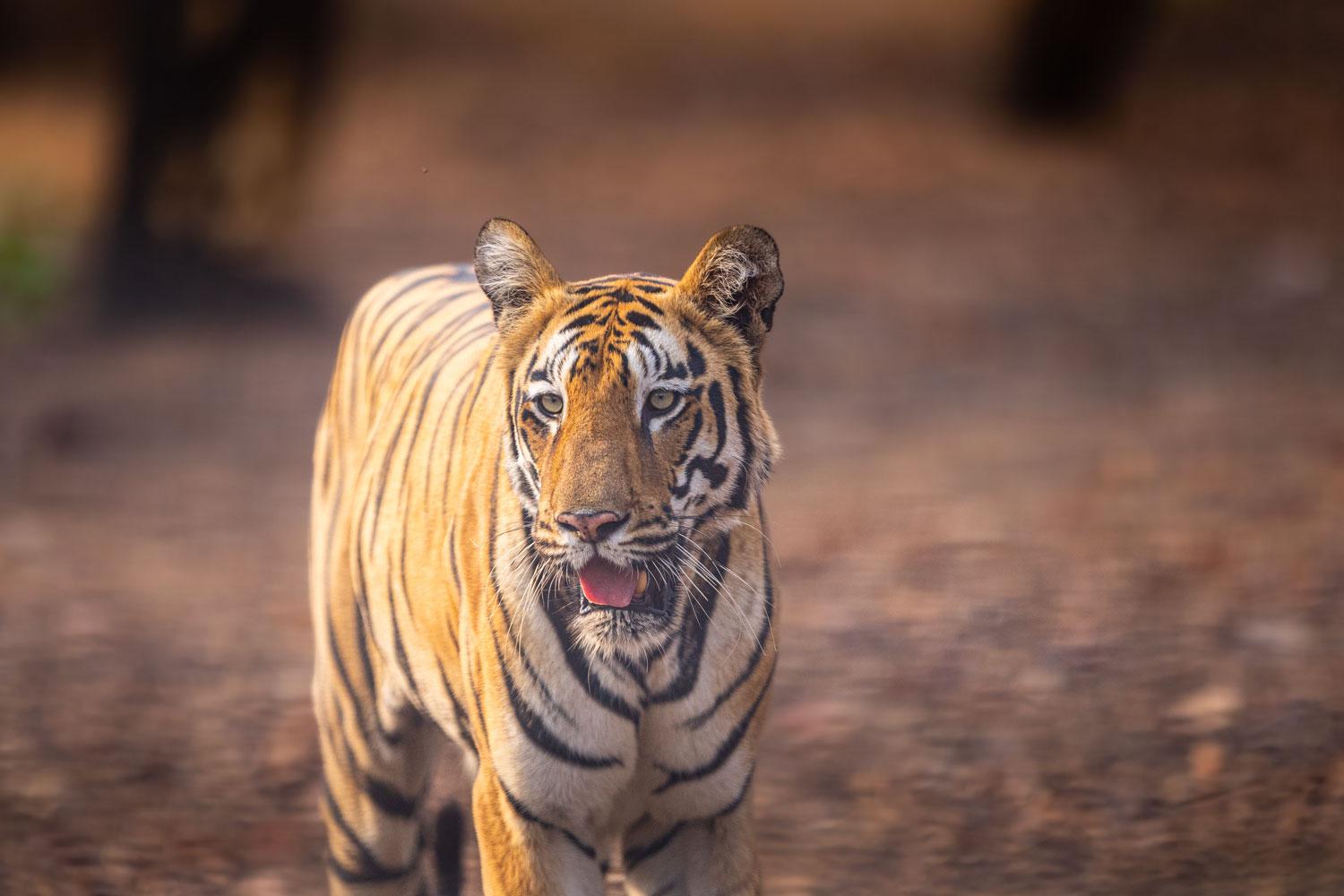
Tadoba is known for its well-managed safari system. Safaris are conducted only during specific hours in the morning and evening, and only a limited number of vehicles are allowed per zone. Each safari vehicle is accompanied by a licensed forest guide, many of whom come from local villages. This helps ensure that wildlife is not disturbed and that visitors learn and follow the forest’s rules.
In Tadoba, zones are divided into core and buffer areas. While the core area remains strictly protected, the buffer zones are designed to support eco-tourism and community development. This model helps reduce pressure on fragile areas while still offering excellent wildlife viewing opportunities.
Forest Communities: Earning Through Conservation
One of the most powerful impacts of tourism in Tadoba is the positive change it brings to nearby villages. In the past, many local families were dependent on activities like firewood collection, grazing, or even poaching for survival. But with the rise of eco-tourism, these same people have found new and sustainable sources of income.
Today, many locals are trained and employed as safari guides, drivers, cooks, naturalists, and homestay hosts. They now understand that their well-being is directly linked to the health of the forest. If the tigers disappear, so does tourism—and their livelihood. This shift in mindset has made locals powerful protectors of the jungle.
Another reason why Tadoba’s tiger tourism is successful is the involvement of local communities. Many people from nearby villages The park trains and employs locals as safari guides, drivers, cooks, naturalists, and homestay hosts. Their incomes now depend on the health of the forest, which encourages them to protect it. This form of eco-tourism offers both economic benefits and long-term conservation results.
In fact, several self-help groups (SHGs) led by women in Tadoba now operate small guesthouses, serve local food to visitors, or make and sell handicrafts inspired by jungle life. This integration of nature, economy, and culture is what makes Tadoba a shining example of community-led conservation.
The Dark Side of Irresponsible Tourism
Tourism, if not managed properly, can hurt the forest. That’s why Tadoba has strict rules: no plastic, no noise, no stepping out of vehicles, and no off-route driving. Vehicles Authorities fine vehicles that violate rules and close many zones during the monsoon to let wildlife recover. Visitors are expected to follow the rules and help keep the jungle clean and peaceful.
Thankfully, Tadoba has taken several steps to prevent such problems. Visitors are strictly told not to feed animals, step out of vehicles, or play music. Vehicles are fined for violating rules, and many zones are closed during the monsoon to allow wildlife to rest and recover. This responsible management ensures that tourism remains a benefit—not a threat.
Protected for the Future: Laws and Boundaries
Tadoba’s core area is fully protected under the Wildlife Protection Act of India. No agriculture, grazing, mining, or construction is allowed. Even scientific research requires special permission. The buffer zones act as a cushion—allowing limited, regulated human activity like eco-tourism and forest-friendly agriculture.
Tadoba also has multiple protection layers including patrolling camps, firewatch towers, and camera traps. This means that tigers and other endangered species like leopards, sloth bears, and wild dogs are well monitored.In the larger picture, tiger reserves like Tadoba play a vital role in protecting India’s biodiversity, water systems, and even climate stability. These forests store carbon, maintain rainfall patterns, and provide clean air for cities nearby.
What Does It Cost to Visit Tadoba?
Contrary to popular belief, a visit to Tadoba doesn’t have to break the bank. A full jeep safari for up to 6 people costs between ₹4,000–₹6,000 depending on the zone and timing. Morning safaris are particularly rewarding for photography and sightings. Apart from safari costs, accommodation options range from luxury lodges to simple eco-cottages and local homestays.
And remember, the money you spend directly supports conservation efforts and the local economy. It’s not just a trip—it’s an investment in nature’s future.
🌿 For bookings and best travel advice, contact +91-9344813299 or visit www.flyinghornbill.com



Why Tadoba Is a Dream Destination for Wildlife Lovers
Tadoba’s dry deciduous forests offer some of the best visibility among Indian reserves. The park is famous for its high density of tigers, with regular sightings even during the day. Apart from tigers, you might spot leopards, dholes (wild dogs), gaur (Indian bison), marsh crocodiles, langurs, and countless birds like crested serpent eagles, paradise flycatchers, and flame-backed woodpeckers.
The landscape is a mix of forests, meadows, bamboo groves, and lakes—each offering a unique habitat for different species. Tadoba Lake, with its crocodiles and migratory birds, is a sight to behold during sunrise and sunset safaris.
Tourism with Purpose: A Future We All Share
At a time when forests are under threat and species are disappearing, reserves like Tadoba offer a beacon of hope. They show us that tourism is not the problem—it can be the solution, when approached with respect and responsibility.
By choosing to travel to places like Tadoba, we’re not just taking a break—we’re becoming a part of something bigger. Every photograph, every sighting, every respectful moment spent in the forest contributes to a global effort to protect what remains of the wild.
Final Thoughts: You Can Be a Conservation Hero
So, can tourism save tigers? Tadoba’s story says a clear yes—as long as we all play our part. Visit with awareness. Support responsible operators. Encourage eco-stays and local guides. Teach your children the value of nature. And above all, treat every forest like a sacred space.

About Navaneeth Krishnan
Navaneeth Krishnan is a premier Travel Curation Expert with 14+ years of experience. Having partnered with top travel brands, he knows India’s tourist spots like the back of his hand, making him the trusted expert to design your next unforgettable, perfectly tailored tour.